Do You Need an Electrical Safety Inspection? A Fort Worth Electrician’s Honest Guide to When (And Why) It’s Worth It
You’re standing in your garage, looking at your electrical panel, and that question pops into your head: “Do I really need an electrical inspection, or is someone just trying to sell me something?”
It’s a fair question. As electricians in Fort Worth, we hear it all the time. And here’s the honest answer: No, not every home needs an electrical inspection right now. Some do. Some don’t. By the end of this post, you’ll know exactly where your home falls.
What we’re not going to do is use scare tactics or tell you that every house is a ticking time bomb. What we will do is give you the information you need to make a smart decision for your home and your family.
Here’s what matters: In mid-2024, a six-alarm fire at The Cooper Apartments in Fort Worth displaced hundreds of residents. The investigation revealed that unlicensed electrical work was a contributing factor. That’s not fear-mongering—that’s what happens when electrical systems aren’t properly maintained or when work is done by unqualified people.
But between “everything is fine” and “your house is going to burn down,” there’s a whole lot of middle ground. Let’s figure out where you stand.
Key Takeaways
- Not every home needs an inspection immediately — but homes 20+ years old, those with warning signs, or those involved in real estate transactions should be checked
- Home inspections and electrical inspections are different — real estate inspectors do visual checks; licensed electricians perform diagnostic testing
- Common DFW electrical hazards include Federal Pacific panels, aluminum wiring, and heat-damaged insulation — each has specific safety risks and costs
- Insurance 4-Point inspections are required for older homes — and can prevent you from closing on a home sale without passing
- Typical inspection costs are $200-$400 — major repairs range from $300 (GFCI outlets) to $25,000 (full rewire)
- Warning signs like flickering lights, tripping breakers, or burning smells mean get it checked now — don’t wait
What Kind of Electrical Inspection Are We Talking About?
Before we go any further, let’s clear up some confusion. There are two very different types of electrical inspections, and people mix them up all the time.
Real Estate Home Inspection (TREC Inspector)
When you buy a house in Texas, the home inspector is licensed by the Texas Real Estate Commission (TREC). They’re generalists—they check the roof, the foundation, the plumbing, the HVAC, and yes, the electrical system.
Here’s what they do with your electrical system:
- Remove the panel cover and visually inspect for obvious problems
- Look for scorching, rust, or signs of overheating
- Check for “double taps” (two wires under one breaker terminal)
- Note the panel brand and total amperage
- Test a few outlets
- Mark items as “Deficient” if they don’t meet current code standards
Here’s what they don’t do:
- Use diagnostic testing equipment
- Calculate electrical loads
- Test for voltage drop or loose connections
- Remove outlets to inspect wire connections
- Diagnose why something isn’t working
A TREC inspection is valuable for what it is—a snapshot of visible conditions. But it’s not a deep electrical diagnostic. And here’s something that confuses people: when the inspector marks something as “Deficient,” it doesn’t always mean it’s dangerous or that you legally have to fix it right now. It often just means it doesn’t meet today’s code standards, even though it was perfectly fine when your house was built in 1985.
Licensed Electrician Inspection (What We Do)
When a licensed electrician performs an electrical safety inspection, we’re doing something completely different. We’re not just looking—we’re testing, measuring, and diagnosing.
Here’s what that includes:
- Using multimeters to test voltage at outlets and the panel
- Measuring voltage drop to find loose connections before they become dangerous
- Testing the integrity of your grounding system (measuring resistance to ground)
- Calculating the actual electrical load on your panel to see if it’s overloaded
- Using circuit analyzers to verify proper wiring and GFCI protection
- Identifying not just what’s wrong, but why it’s wrong and what needs to be done
And here’s the big difference: we can actually fix what we find. A TREC inspector can tell you “the breaker keeps tripping,” but they can’t tell you why or quote you a repair. A licensed electrician diagnoses the loose neutral at the weatherhead that’s causing the problem and can fix it the same day.
If you need a 4-Point Inspection for insurance (we’ll talk about that later), it has to be done by a licensed professional—usually a home inspector with specific credentials or a licensed electrician. That’s the inspection that determines whether your home is insurable.
“The inspector flagged this on my report. What does that mean?”
This is one of the most common questions we get. If a home inspector marked something as “Deficient” or “Not Functioning,” here’s what to do:
- Don’t panic. “Deficient” often means “doesn’t meet current code” not “your house is going to burn down tomorrow.”
- Have a licensed electrician look at the specific items flagged.
- Get a clear explanation of what’s a safety issue versus what’s a code update versus what’s a recommendation.
- Prioritize based on safety first, then code compliance, then upgrades.
We see people spend thousands fixing things that could have waited while ignoring the actual safety hazard. A good electrician will tell you the difference.
When Should You Get an Electrical Safety Inspection? (The Honest Answer)
Alright, here’s where we stop being vague and start being useful. When does it actually make sense to have your electrical system inspected?
You’re Buying or Selling a Home
If your home is 25 to 30 years old or older and you’re trying to sell it (or buy it), you’re almost certainly going to need what’s called a 4-Point Inspection. This is an insurance requirement, not a legal one, but it might as well be legal because you can’t close without insurance, and you can’t get insurance without passing this inspection.
The 4-Point checks four systems: roof, plumbing, HVAC, and electrical. The electrical section is often the one that causes problems.
Here’s what kills deals:
- Federal Pacific Electric (FPE) panels
- Zinsco or Sylvania panels
- Aluminum branch wiring (unless it’s been professionally remediated)
- Service under 100 amps
- Knob and tube wiring that’s still active
- Major code violations (missing GFCI protection, double taps, exposed wiring)
If you’re selling, get the inspection done before you list. That way, you’re not scrambling to find an electrician three days before closing. If you’re buying and the seller’s inspection flags electrical issues, bring in your own electrician to verify what actually needs to be done. We’ve seen sellers get quoted $8,000 for a panel replacement when the real problem was a $400 breaker repair.
Sometimes an older electrical panel needs replacing, but not always. Get a second opinion.
Your Home is 20+ Years Old and You’ve Never Had It Checked
Electrical systems age. Connections loosen. Insulation breaks down. Breakers wear out. If your house was built in the 1990s or earlier and you’ve never had the electrical system inspected—not during a home purchase, not ever—it’s worth doing.
This isn’t an emergency. Your house probably isn’t going to catch fire next Tuesday. But it’s smart maintenance, like getting your HVAC serviced or your roof inspected.
Here in DFW, we have an extra factor: heat. Our attics regularly hit 140°F in the summer. That kind of heat breaks down wire insulation faster than in cooler climates. If you’ve got wiring running through your attic (and you do), that insulation is aging faster here than it would in, say, Colorado.
A proactive inspection when there’s no pressure, no deadline, and no crisis is the best kind. You get to plan repairs, budget for them, and do them on your schedule.
You’re Seeing Warning Signs
Okay, this one isn’t optional. If your house is showing any of these symptoms, stop reading and call an electrician today:
- Breakers trip frequently — especially the same breaker over and over
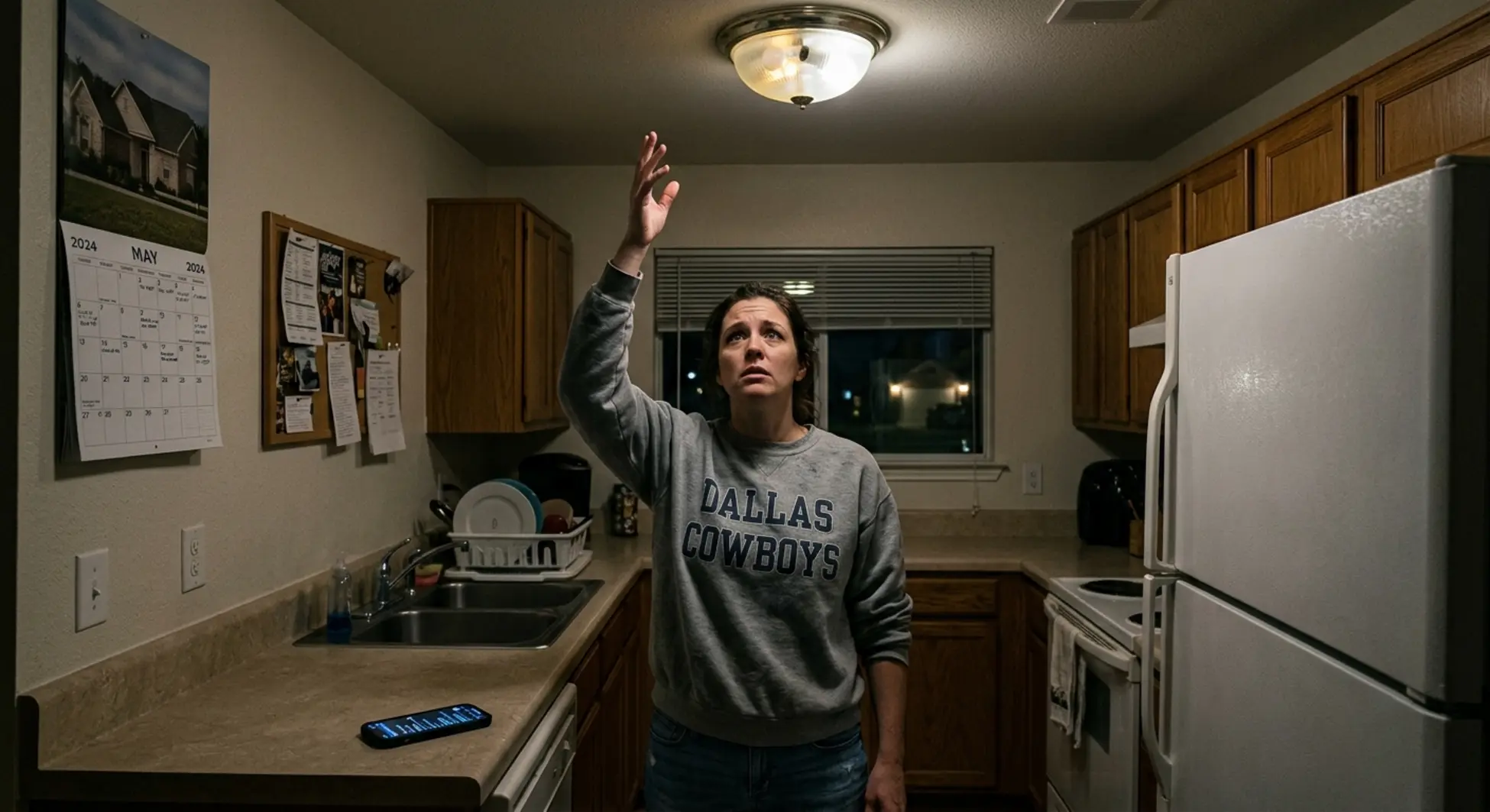
- Lights flicker or dim — particularly when the air conditioner starts up
- Outlets or switches feel warm to the touch
- You hear buzzing or sizzling sounds from the panel, outlets, or switches
- You smell burning near the panel or any outlet (even if you don’t see smoke)
- You see sparks when you plug something in
- Outlets are discolored or scorched
- The main breaker won’t stay reset
These aren’t “let me think about it for a few weeks” situations. These are signs that something is actively wrong. Maybe it’s a loose connection. Maybe it’s an overloaded circuit. Maybe it’s a failing breaker. But you don’t want to find out which one by having a fire.
We wrote an entire guide on why circuit breakers keep tripping, and another one on why lights flicker when the AC runs. If those symptoms sound familiar, start there. But if you’re seeing multiple warning signs, skip the research and get it checked.
You’re Adding Major Electrical Load
Planning to install an EV charger? Adding a pool or hot tub? Building an addition? Upgrading to a bigger HVAC system?
Before you do any of that, you need to know if your electrical system can handle it. A Level 2 EV charger typically pulls 40 to 50 amps. If you’ve got a 100-amp service and it’s already running your AC, your dryer, and your electric range, you don’t have 50 amps to spare.
An inspection and load calculation will tell you:
- Can your current panel handle the new load?
- Do you need a service upgrade (going from 100 amps to 200 amps)?
- Are there existing issues that need to be fixed before new work is permitted?
Doing this up front saves you from finding out halfway through your EV charger installation that your panel needs to be replaced first.
After Severe Weather or Power Surges
North Texas gets its share of severe weather. Lightning strikes, high winds, hail, flooding—all of these can damage your electrical system in ways you might not immediately see.
If you’ve had:
- A lightning strike nearby (even if it didn’t hit your house directly)
- Flooding or water intrusion in areas where electrical components are located
- A tree or branch fall on your service lines
- An extended power outage followed by a power surge when service was restored
…it’s worth having the system checked. Lightning can travel through the ground and damage your grounding system. Water can corrode connections. Physical damage to service lines can create loose or dangerous connections.
Your homeowner’s insurance might cover the inspection cost after a storm, especially if you’re filing a claim for other damage. Check with your agent.
You Know You Have “Problem” Components
Some electrical components are known hazards. If you know your home has any of these, you should get it inspected (and likely fixed) sooner rather than later:
- Federal Pacific Electric (FPE) panels — Found in DFW homes built between 1950 and 1980. These panels are notorious for breakers that don’t trip when they should. They’re uninsurable in most cases.
- Aluminum branch wiring — If your house was built between 1965 and 1973, there’s a chance you have aluminum wiring. It’s not automatically dangerous if it’s been properly remediated, but unremediated aluminum wiring is a fire hazard.
- Knob and tube wiring — This is old. Really old. If you’ve got knob and tube that’s still active (not just abandoned in the attic), you need to deal with it.
- Service under 100 amps — Older homes often have 60-amp or even 30-amp service. That might have been fine in 1955, but it’s not enough for a modern home with central air, a microwave, a computer, and an electric dryer.
We’ll talk about each of these in detail in a bit. But if you know you have one of these, don’t wait for a home sale or an insurance inspection to force your hand. Federal Pacific panels should be replaced even if you’re not selling.
“Is this dangerous?”
This is the question we hear most often. And the honest answer is: it depends.
A house built in 1970 with the original panel and wiring isn’t automatically a death trap. Millions of people lived in those houses for decades without incident. But here’s what matters: electrical systems degrade over time, usage has increased dramatically, and what was adequate then often isn’t adequate now.
If you’re asking “is this dangerous?” about something specific in your house, the answer is: get it looked at. That question means you’ve noticed something that doesn’t seem right. Trust that instinct. We’d rather come out, tell you everything is fine, and have you sleep well at night than have you ignore it and regret it later.
We’re informative without being pushy. That’s how we operate. If something is dangerous, we’ll tell you straight. If it’s not dangerous but should be updated eventually, we’ll tell you that too. And if it’s fine, we’ll say that and send you on your way.
When You Can Wait (Yes, Really)
Now let’s flip it around. When do you probably not need an electrical inspection right now?
Building trust means telling you when you don’t need to spend money with us. So here it is:
- Your home is less than 10 years old, you’re not having any issues, and you’re not planning any major electrical work. Modern homes are built to current code. Unless something is actively wrong, you’re fine.
- You had a major electrical upgrade recently (within the last 5 years) and have documentation. If your panel was replaced in 2020 and everything is working as it should, you don’t need another inspection today.
- You’re not experiencing any warning signs, you’re not selling, and you’re not adding major loads. If everything is working normally and there’s no external pressure (insurance, real estate, new construction), you can wait.
Look, we’re electricians. We could tell you that every house needs an inspection every year and that would be great for our business. But it wouldn’t be honest. Some homes need attention now. Some can wait. We’ll tell you which is which.
That said, even if you don’t need an inspection today, keep this page bookmarked. When your home hits 20 years old, or when you start planning that kitchen remodel, or when you notice the lights flickering—this information will be here.
What’s Included in a Professional Electrical Safety Inspection?
Alright, so you’ve decided you need an inspection (or you’re still deciding and want to know what you’d be getting). Let’s walk through what actually happens when a licensed electrician inspects your home.
This isn’t a quick “pop the panel cover and eyeball it” visit. A thorough electrical safety inspection takes 2 to 4 hours for a typical home, depending on size, age, and complexity. Here’s what we’re doing during that time.
Main Electrical Panel Inspection
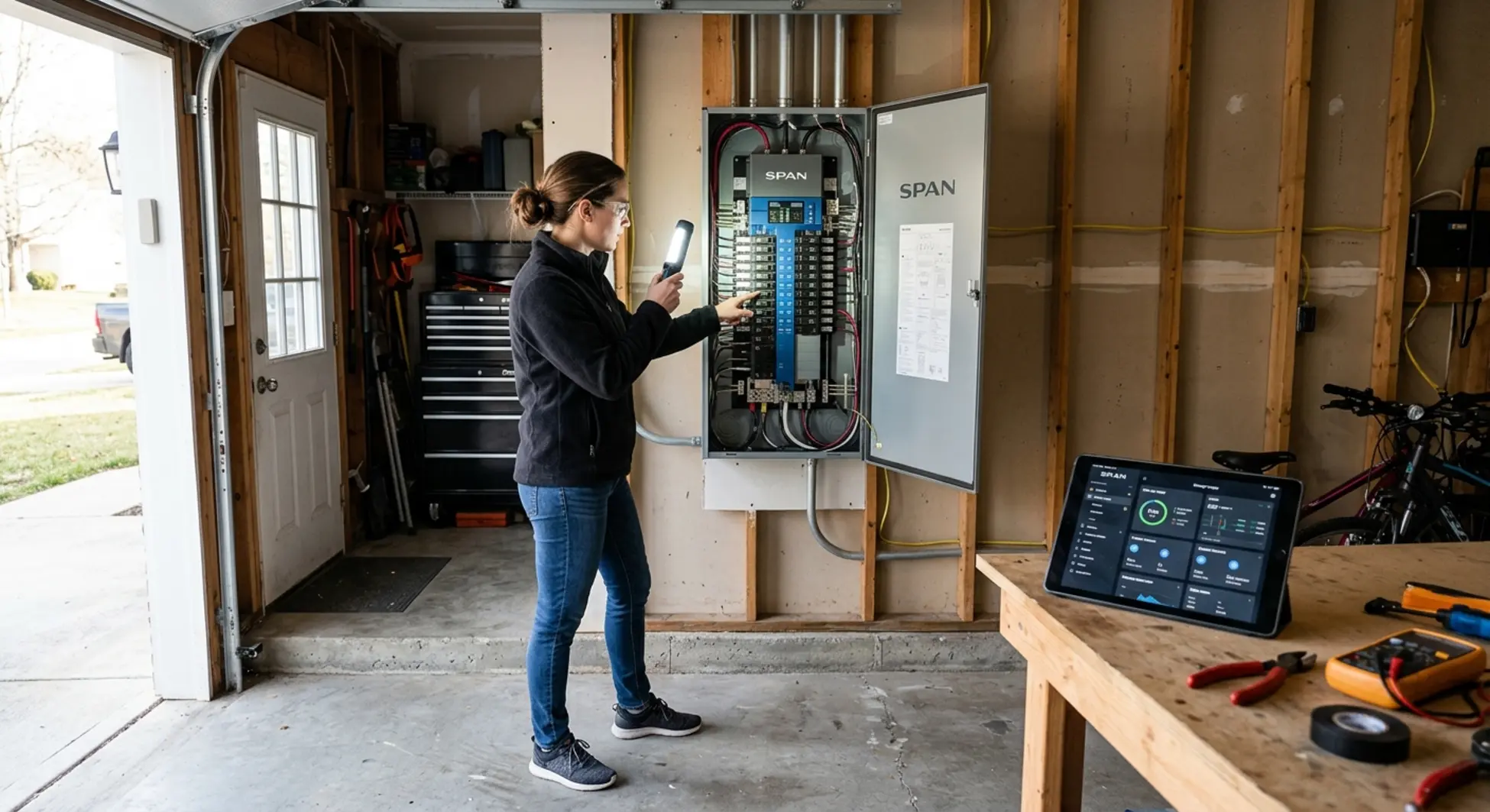
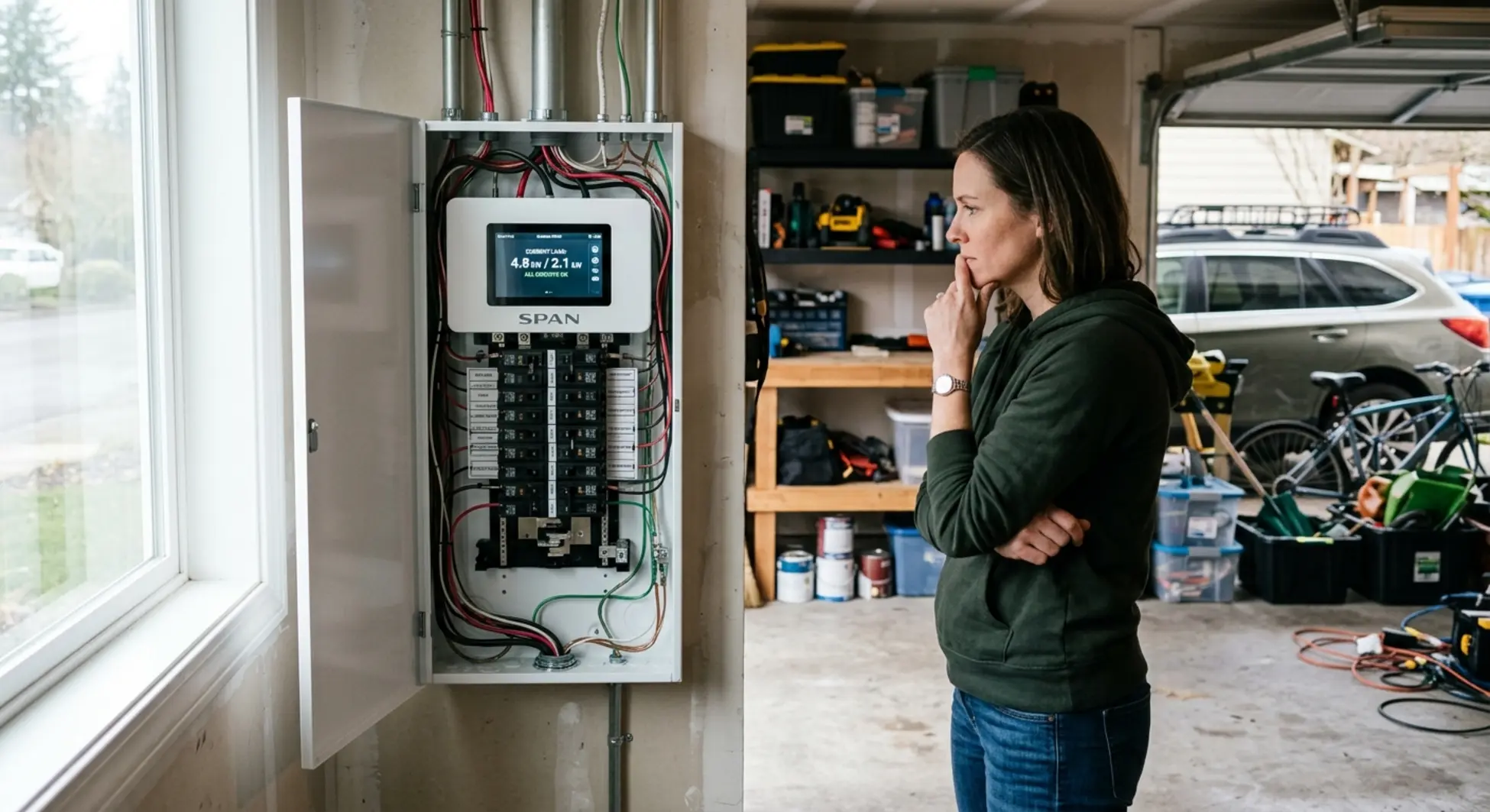
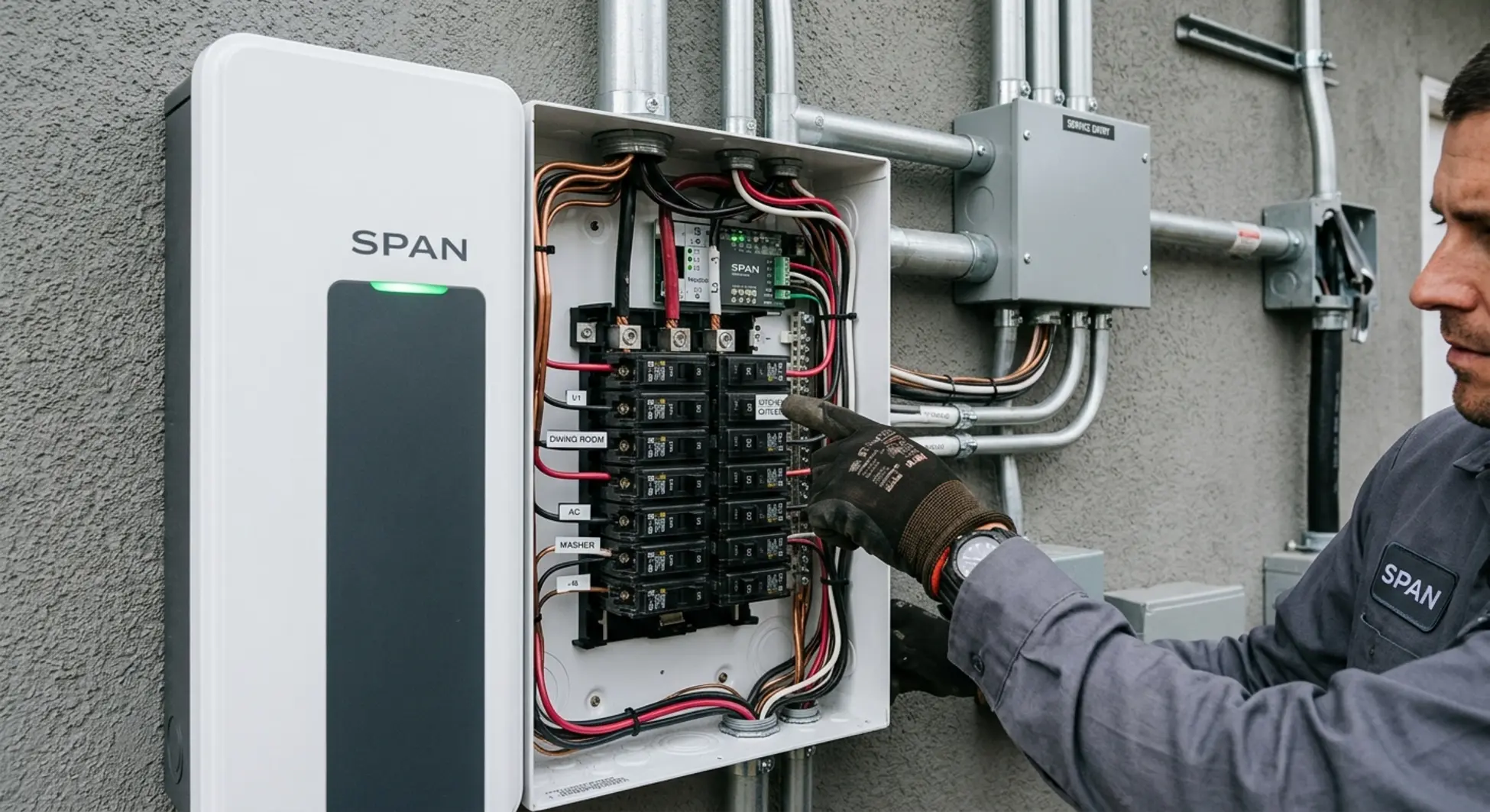
The panel is the heart of your electrical system. It’s where power comes in from the utility and gets distributed to all the circuits in your house. Here’s what we check:
Panel Brand and Model: Some brands are fine. Some are known fire hazards. If you’ve got a Federal Pacific Electric (FPE), Zinsco, or Sylvania panel, that’s going in the report as a significant concern. These panels have documented failure rates and are considered uninsurable by most carriers.
Service Amperage: We’re looking at the main breaker (or main fuse, in older homes) to see what your total service capacity is. Most modern homes have 200-amp service. Older homes might have 100 amps, 60 amps, or even less. We’ll calculate whether that’s adequate for your actual usage.
Breaker Condition and Compatibility: We’re checking that every breaker in the panel is the correct brand and model for that specific panel. Mixing brands is a code violation and a safety hazard. We’re also looking for signs of overheating—discoloration, melted plastic, burned breakers.
Proper Wire Sizing: Every breaker has a rating (15 amps, 20 amps, 30 amps, etc.). The wire connected to that breaker must be sized to handle that current. A 20-amp breaker on 14-gauge wire (which is only rated for 15 amps) is a fire waiting to happen.
Double Taps: This is when two wires are connected under a single breaker terminal screw. Some breakers are rated for this. Most aren’t. If they’re not rated for it, it’s a violation and the connection can loosen over time.
Bus Bar Condition: The bus bars are the metal strips inside the panel that deliver power to the breakers. We’re looking for signs of overheating, corrosion, or improper breaker installation.
If we find issues with the panel itself, you’ll want to read our detailed guide on electrical panel installation and replacement.
Grounding System Verification
Grounding is one of those things people don’t think about until something goes wrong. Your grounding system is your safety net—literally. If there’s a fault in your electrical system, the ground provides a path for that electricity to safely dissipate into the earth instead of through you.
We’re checking:
- Ground rod installation: Texas code requires at least two ground rods, driven at least 8 feet into the ground and spaced at least 6 feet apart.
- Water line bonding: Your main water line (if it’s metal) must be bonded to the grounding system.
- Gas line bonding: Same with the gas line.
- Ground resistance: We can measure the actual resistance of your grounding system to make sure it’s effective. High resistance means the ground isn’t doing its job.
Service Entrance and Weatherhead
The service entrance is where the power lines from the utility connect to your house. This is where the real danger is—these lines are energized at high voltage and aren’t protected by a breaker.
We’re looking for:
- Proper clearances: Service lines must be high enough that you can’t accidentally touch them (10 feet above grade for pedestrian areas, 12 feet above driveways).
- Secure mast: The mast (the pipe coming out of your roof or the side of your house) must be securely attached and not leaning or pulling away.
- No vegetation contact: Tree branches touching service lines are a hazard.
- Proper weather seal: The weatherhead (the cap on top of the mast) must keep water from running down into the panel.
Branch Circuit Testing
Branch circuits are all the individual circuits running from your panel to outlets, lights, and appliances throughout your house. We’re testing a representative sample (or all of them, depending on the scope of the inspection).
Voltage Testing: Using a multimeter, we measure the voltage at outlets. It should be between 110 and 120 volts. Significantly higher or lower can damage appliances and indicates a problem.
GFCI Protection: Texas code requires GFCI (Ground Fault Circuit Interrupter) protection in specific locations: bathrooms, kitchens (countertop outlets), garages, outdoors, crawl spaces, and unfinished basements. We test every GFCI outlet and breaker to make sure it trips properly. If you’ve been having issues with GFCI outlets, we have a complete troubleshooting guide for when GFCI outlets won’t reset.
AFCI Protection: AFCI (Arc Fault Circuit Interrupter) protection is required for most living spaces in newer homes. These breakers detect dangerous arcing conditions and shut off the power before a fire starts. Older homes aren’t required to retrofit unless you’re doing major renovations, but we’ll note where AFCI protection would improve safety.
Grounded vs. Ungrounded Outlets: Three-prong outlets should be properly grounded. We use a circuit analyzer to verify that. Two-prong outlets (ungrounded) are common in older homes and aren’t inherently dangerous, but they don’t provide the same level of protection.
Wiring Type and Condition
The wiring in your walls is doing all the actual work of delivering electricity where it needs to go. Here’s what we’re checking:
Copper vs. Aluminum: We’re identifying what type of wire you have. Copper is standard. Aluminum branch wiring (used in the 1960s and early 70s) requires special attention. If we find aluminum wiring, we’ll check whether it’s been properly remediated.
Insulation Condition: This is especially important in the attic, where wiring is exposed and subjected to extreme heat. We’re looking for cracked, brittle, or damaged insulation.
Proper Support: Wiring must be properly secured and protected from physical damage. Wires draped across attic joists or running loose in crawl spaces are violations.
Junction Box Accessibility: Every junction box (where wires are spliced together) must be accessible. We can’t have junction boxes buried behind drywall or covered by insulation.
If your home has aluminum wiring or knob and tube wiring, you’ll want to read our guide on aluminum wiring safety in DFW homes. We also have information on electrical wiring repairs and maintenance.
Load Calculation
This is where math comes in. We calculate the total electrical load your home is using (or could potentially use) and compare it to your panel’s capacity.
For example, if you have:
- A 5-ton AC unit (40 amps)
- An electric range (40 amps)
- An electric dryer (30 amps)
- An electric water heater (30 amps)
- General lighting and outlets (20-30 amps)
…that’s potentially 160 to 170 amps of demand. If you have a 100-amp service, you’re running at or over capacity when multiple things are on at once.
The calculation gets more complex because not everything runs at the same time (demand factors), but the point is: we’re making sure your system can handle what you’re asking it to do.
Code Compliance Check (2023 NEC)
As of September 1, 2023, Texas adopted the 2023 National Electrical Code (NEC). This means any new work or substantial renovations must meet these new standards:
Surge Protection: New installations require whole-house surge protection. This protects your expensive electronics from voltage spikes.
Emergency Disconnect: New services must have an emergency disconnect located on the exterior of the building. This allows firefighters to cut power to the house without entering it.
Expanded AFCI Protection: Arc fault protection requirements have been expanded to more areas of the home.
Now, here’s the important part: if your house was built before 2023, you’re not required to retrofit these features unless you’re doing major work. But if you’re replacing your panel for any reason, these requirements kick in.
Understanding when electrical work requires permits is important. We wrote a complete guide on electrical work that requires a permit in Texas.
What Electrical Issues Are We Finding in Dallas-Fort Worth Homes?
Let’s get specific. Here are the most common electrical problems we find in DFW homes, what makes them dangerous, and what it typically costs to fix them.
We’re not trying to scare you. These are just the realities of the housing stock in this area. If your house has one of these issues, you’re not alone—thousands of other homes in DFW have the same problem. The question is whether you address it proactively or wait for it to force your hand.
Federal Pacific Electric (FPE) Panels — The Big One
If there’s one thing that causes more insurance problems, failed inspections, and legitimate safety concerns than anything else in DFW, it’s Federal Pacific Electric panels.
Why They’re Everywhere: FPE panels were installed in millions of homes nationwide between the 1950s and 1980s. In DFW, if your house was built between 1960 and 1980, there’s a good chance you have one. They were cheap, widely available, and seemed fine at the time.
What’s Wrong With Them: Independent testing has shown that FPE breakers fail to trip during an overload condition up to 60% of the time. That’s not a typo. When there’s a problem that should cause the breaker to trip and cut the power, it often doesn’t. Instead, it stays energized and gets hot. Really hot.
The mechanical design of the Stab-Lok breaker (that’s the specific FPE breaker type) has several failure modes:
- Jamming: The internal mechanism can jam in the “on” position. You can flip the toggle to “off,” but internally, the contacts are still closed and the circuit is still live.
- Bus bar burn-off: The connection between the breaker and the bus bar can loosen, creating high resistance. High resistance means heat. Heat melts plastic. Eventually, you’ve got a melted breaker and a scorched panel.
- No redundancy: Modern breakers have both thermal and magnetic trip mechanisms. FPE breakers relied on a single mechanism that was prone to failure.
Real-World Consequences: Remember the Cooper Apartments fire we mentioned earlier? While the investigation pointed to unlicensed electrical work as a factor, fires caused by failing electrical components are exactly what we’re trying to prevent. FPE panels don’t cause fires directly—they fail to prevent fires when there’s an overload or short circuit.
Insurance and Real Estate: If you’re trying to sell a house with an FPE panel, you’re going to hit a wall with the 4-Point Inspection. Insurers won’t cover it. Period. If you’re buying a house with an FPE panel, negotiate the replacement into the purchase price or be prepared to pay for it immediately after closing.
Cost to Replace: Replacing an FPE panel with a modern 200-amp panel typically costs between $2,500 and $4,800 in DFW. The wide range depends on whether you need a service upgrade, grounding system updates, and how much work is needed to bring the installation up to current code (including the new exterior emergency disconnect requirement).
We have a complete guide on Federal Pacific panel replacement and 200-amp upgrades in DFW if you want more details on the process and cost breakdown.
Real Story: The $8,000 Quote That Wasn’t Necessary
A homeowner in Arlington called us in a panic. They were selling their house and the buyer’s inspector found an FPE panel. Another electrician quoted them $8,000 to replace it, saying the entire service needed to be upgraded and the meter moved.
We came out, assessed the situation, and found that while the panel absolutely needed to be replaced, the service entrance and meter were fine. The actual issue was the FPE panel itself. We replaced the panel, updated the grounding, installed the required emergency disconnect, and brought everything up to code for $3,200.
The closing went through on schedule. The homeowner saved $4,800. That’s what we mean when we say we diagnose the real issue and fix what’s needed—no more, no less.
Aluminum Branch Wiring (1965–1973 Homes)
During the Vietnam War, copper prices skyrocketed. Builders looked for alternatives, and aluminum seemed like a good idea at the time. It wasn’t.
Why It’s a Problem: Aluminum wire has several properties that make it problematic for residential branch circuits:
Thermal Expansion: Aluminum expands and contracts more than copper when it heats up and cools down. Every time you use that circuit, the wire heats up and expands. When you turn the load off, it cools and contracts. Over years or decades, the wire literally creeps out from under the terminal screw, creating a loose connection.
Oxidation: The moment aluminum is exposed to air, it oxidizes. Aluminum oxide is an electrical insulator. As the connection loosens and oxidation builds up, electrical resistance increases. High resistance means heat. Eventually, you’ve got what’s called a “glowing connection”—a spot hot enough to ignite wood framing or insulation without ever tripping a breaker.
Galvanic Corrosion: When aluminum wire connects to a steel or copper screw (common in older installations), galvanic corrosion accelerates the deterioration.
Where It’s Found: If your DFW home was built between 1965 and 1973, check. Aluminum wiring was used primarily for 15-amp and 20-amp circuits (outlets and lights), not for large appliances.
Is It Always Dangerous? No. If aluminum wiring has been properly remediated using approved methods, it can be safe. The problem is that most homeowners don’t even know they have it, and most of the time, it hasn’t been remediated.
Remediation Options and Costs:
Complete Rewire: Ripping out all the aluminum and replacing it with copper is the gold standard, but it’s expensive—typically $15,000 to $25,000 for a standard home. That includes opening walls, running new wire, patching drywall, and repainting.
Pigtailing (COPALUM or AlumiConn): The industry-accepted retrofit method is to connect a short piece of copper wire to the end of each aluminum wire using a special connector. The copper pigtail then connects to the outlet or switch.
- COPALUM: This is a specialized crimp method that’s considered the absolute best. The problem is that it requires expensive proprietary tools, so not many electricians have the equipment. If you can find someone who does COPALUM, that’s your first choice.
- AlumiConn: This is a more accessible connector that can be installed with standard tools (though torque screwdrivers are required for proper installation). It’s widely accepted by insurance companies and building departments as a permanent repair.
Cost per Device: Professional remediation using AlumiConn typically costs $300 to $500 per device (outlet, switch, or light fixture). For a home with 50 to 60 devices, that’s $15,000 to $30,000. Still expensive, but less than a full rewire and often the only economically feasible option.
Insurance Implications: Unremediated aluminum wiring will fail a 4-Point Inspection. If the wiring has been professionally remediated, you’ll need a letter from a licensed electrician certifying the work and the method used. That letter usually satisfies insurance underwriters.
We have a detailed guide on whether aluminum wiring is safe in DFW homes that covers identification, testing, and remediation in depth.
Knob and Tube Wiring (Pre-1950s Homes)
If you live in one of DFW’s historic neighborhoods—Fairmount in Fort Worth, Winnetka Heights or Munger Place in Dallas, the M Streets—there’s a chance your home still has active knob and tube wiring.
What It Is: Knob and tube is an old wiring method where individual conductors are run through wall cavities, supported by ceramic knobs and passing through ceramic tubes where they go through framing. There’s no ground wire, and the insulation is cloth and rubber.
Why It’s a Problem:
Insulation Breakdown: The rubber insulation used on knob and tube wiring was made with volatile compounds that evaporate over time. After 70 or 80 years, that insulation is often brittle and crumbling. Touch it and it falls off, exposing bare copper that’s energized at 120 volts.
The Modern Insulation Conflict: Knob and tube was designed to dissipate heat into the open air of wall cavities. Modern energy retrofits involve blowing cellulose or fiberglass insulation into those same cavities. When you do that, you trap the heat around the wires. The wires can’t dissipate heat properly, they run hotter than they’re rated for, and that can ignite the insulation or surrounding wood.
Insurance: Most insurance companies won’t cover a home with active knob and tube wiring. If they do, they’ll exclude coverage for any electrical-related damage. That’s essentially uninsurable.
Cost to Fix: There’s no remediation method for knob and tube. You have to replace it. Full rewiring of a home with knob and tube runs $15,000 to $25,000 or more, depending on the size of the home and how much drywall needs to be opened and repaired.
Undersized Service (Under 100 Amps)
In the 1950s and 60s, many homes in DFW were built with 60-amp or even 30-amp electrical service. That was adequate for the time—a few lights, a refrigerator, maybe a window AC unit.
Today, that same home has central air conditioning (a 3-ton unit pulls about 25-30 amps), an electric dryer (30 amps), an electric range (40 amps), a microwave, a dishwasher, computers, TVs, and phone chargers in every room.
The Problem: You can’t put 150 amps of demand on a 60-amp service. The main breaker will trip. Or worse, it won’t trip (if it’s old and worn out), and the service wires will overheat.
Insurance and Lending: Services under 100 amps are often flagged on 4-Point Inspections. Some insurers will decline coverage. Some will require an upgrade within 30 days of binding the policy.
Cost to Upgrade: Going from 60 amps to 200 amps typically requires:
- A new meter base and mast
- Coordination with the utility (Oncor in most of DFW) to disconnect and reconnect the service
- A new main panel
- Updated grounding system
- Permits and inspections
Cost typically ranges from $3,500 to $6,000, depending on the complexity of the installation and whether trenching is required for underground service.
Missing GFCI/AFCI Protection
GFCI and AFCI protection are relatively recent code requirements (GFCI since the 1970s, AFCI since the early 2000s). Older homes don’t have them unless they’ve been retrofitted.
GFCI (Ground Fault Circuit Interrupter): Required in wet locations—bathrooms, kitchens, garages, outdoors, crawl spaces, unfinished basements. GFCI outlets detect imbalances in current (which indicate a ground fault, like electricity leaking through water or a person) and cut power in milliseconds. They prevent electrocution.
AFCI (Arc Fault Circuit Interrupter): Required in most living areas in homes built after 2002 (with expanded requirements in each code cycle). AFCI breakers detect arc faults—sparking conditions that can start fires—and shut off the circuit. We have a complete guide on arc fault breaker requirements in Texas.
Do You Have to Retrofit? If you’re not doing any electrical work, no. But if you’re selling and the 4-Point inspector marks the absence of GFCI protection as a deficiency, you might have to retrofit to satisfy the buyer or their lender.
Cost: Installing GFCI outlets where required costs about $90 to $200 per outlet. Installing AFCI breakers costs about $150 to $250 per circuit (parts and labor).
The DFW Climate Factor — Heat Damage
We’ve mentioned this already, but it bears repeating: the climate in North Texas is hard on electrical systems.
Attic Temperatures: In July and August, attics in DFW regularly exceed 140°F. Most residential wiring (Romex or NM-B cable) has insulation rated for 90°C (194°F), but the National Electrical Code requires ampacity derating when ambient temperatures exceed 86°F (30°C).
What that means in plain English: a wire that’s rated to carry 20 amps under normal conditions might only be safe for 12 or 15 amps in a 140°F attic. If the circuit is loaded to 20 amps, the wire is running hot. Over time, that breaks down the insulation.
Clay Soil and Underground Services: DFW sits on expansive clay soil. When it rains, the soil swells. When it’s dry, the soil shrinks and cracks. That constant movement puts stress on underground service laterals (the wires running from the transformer to your house) and can pull the meter base away from the house or shear the conductors underground.
We see this most often after extended droughts followed by heavy rain—the soil shifts, and suddenly people are reporting flickering lights or intermittent power loss. That’s a sign that the underground service or the connection at the meter has been compromised.
What’s a 4-Point Inspection and Why Does It Matter?
We’ve mentioned the 4-Point Inspection several times. Let’s talk about what it actually is and why it has the power to kill a real estate deal.
What It Is: A 4-Point Inspection is an insurance underwriting requirement for older homes. It’s called a “4-Point” because it examines four major systems: the roof, the plumbing, the HVAC, and the electrical system.
Insurance companies use this inspection to assess risk. If any of the four systems are in poor condition or contain known hazards, the insurer can decline coverage, require repairs, or increase premiums.
When It’s Required: Most insurance companies require a 4-Point Inspection for homes that are 25 to 30 years old or older. Some require it for homes as young as 20 years. If you’re buying or selling a home built in 2000 or earlier, assume you’ll need one.
Who Performs It: A 4-Point can be done by a licensed home inspector with the appropriate credentials or by a licensed contractor in each trade (a roofer inspects the roof, a plumber inspects the plumbing, an electrician inspects the electrical system). Many home inspectors offer 4-Point Inspections as a package, but if there are electrical concerns, having a licensed electrician do that portion provides more detailed diagnostics.
The Electrical Section of the 4-Point
The electrical portion of the 4-Point goes beyond what a standard home inspection covers. The inspector is filling out a specific form with fields that insurance underwriters use to make coverage decisions. Here’s what they’re documenting:
Panel Manufacturer: The form specifically asks for the brand. Federal Pacific, Zinsco, and Sylvania are automatic red flags. Some insurers have specific lists of “unacceptable” panel brands.
Total Amperage: Services under 100 amps are often rejected as insufficient for modern loads. Even 100-amp service can be marginal if the home has electric heat, an electric water heater, and central air.
Wiring Type: The inspector must certify whether there’s any active knob and tube wiring or unremediated aluminum wiring. If there is, the home is typically uninsurable unless it’s fixed.
Visible Hazards: The form asks about specific hazards:
- Double taps: Two wires under one breaker screw (unless the breaker is rated for it)
- Empty sockets: Missing breakers that leave the bus bar exposed
- Improper grounding: Missing or inadequate grounding systems
- Evidence of overheating: Scorched breakers, melted insulation, discoloration
The Consequence of Failure
If the electrical system is marked “Unsatisfactory” on a 4-Point Inspection, here’s what happens:
Insurance Denial: The insurance agent cannot bind coverage. No insurance means no closing.
Closing Delays: If the inspection happens a week before closing, you’ve got a week to find an electrician, get the work done, get it re-inspected, and provide documentation to the insurer. That’s often not enough time.
Deal Renegotiation: Buyers use failed 4-Point inspections as leverage to renegotiate the purchase price or demand that the seller fix the issues before closing.
Post-Closing Requirements: In some cases, an insurer will agree to bind coverage with a requirement that specific repairs be made within 30 days of closing. If you don’t comply, the policy is canceled.
The Grandfathering Myth
Here’s a misconception that causes a lot of frustration: “My house was built this way, so it’s grandfathered in and I don’t have to change it.”
That’s partly true and mostly misleading.
What Grandfathering Means: If your house was built in 1975 and was code-compliant in 1975, you’re not required by the city or state to update it to current code just because the code has changed. Your house is “grandfathered.”
What Grandfathering Doesn’t Mean: It doesn’t mean that insurance companies or mortgage lenders have to accept it. Insurers assess risk based on current standards, not 1975 standards. A 1975-compliant FPE panel is a modern fire hazard, and insurers know it.
Additionally, the moment you do any electrical work—replace a panel, add a circuit, do a major renovation—you lose grandfathering for that portion of the system. The new work must meet current code, and that often triggers requirements to update related systems (grounding, AFCI protection, emergency disconnects).
What Happens During an Electrical Safety Inspection?
Let’s walk through the actual process so you know what to expect.
The Inspection Process
Duration: A typical electrical safety inspection takes 2 to 4 hours, depending on the size and age of your home. Larger homes or homes with complex electrical systems (subpanels, outbuildings, pools) take longer.
What Access We Need: We’ll need access to the electrical panel, the attic (if applicable), any crawl spaces, the garage, and the exterior of the home to inspect the service entrance. If you have a subpanel in a shed or garage, we’ll need access to that too.
Do We Shut Off Power? Usually not. Most of the inspection is done with the power on so we can test circuits under load. If we need to remove the panel cover (which we do), we take appropriate safety precautions. In some cases, we might need to shut off specific circuits temporarily, but we’ll let you know in advance.
What Equipment We Use: You’ll see us using multimeters (to measure voltage, current, and resistance), circuit analyzers (to test outlet wiring and GFCI function), clamp meters (to measure current draw on individual circuits), and thermal imaging cameras (to detect hot spots).
The Inspection Report
After the inspection, we provide a detailed written report. Here’s what’s in it:
Summary of Findings: An overview of the major issues, if any, categorized by priority level.
- Immediate Safety Hazards: Things that need to be addressed now (active electrical faults, exposed live wires, severely overloaded circuits).
- Code Violations: Items that don’t meet current code and would need to be corrected if you were doing new work.
- Recommendations: Updates that would improve safety or functionality but aren’t urgent (like adding surge protection or upgrading an old but functional panel).
Photos: We document everything with photos—the panel, problem areas, specific defects. If we’re doing this for a 4-Point Inspection, the photos go in the official report for the insurance company.
Repair Estimates: If we find issues that need to be fixed, we provide cost estimates for the repairs. These are detailed line-item estimates, not vague ranges. You’ll know exactly what it costs to fix each issue.
No Surprises: We don’t hand you a report and walk away. We sit down with you (or get on a call) and go through every finding. We explain what’s wrong, why it matters, what happens if you don’t fix it, and what the options are for fixing it. We answer your questions until you feel confident about the next steps.
Cost of the Inspection
A standalone electrical safety inspection typically costs $200 to $400 in the DFW area, depending on the size and age of the home.
If you’re getting a full 4-Point Inspection (roof, plumbing, HVAC, electrical), the electrical portion is usually included in the package price, which ranges from $400 to $600 total for all four systems.
If major issues are found and we end up doing the repair work, some companies credit the inspection fee toward the repair cost. We believe in transparent pricing—you’ll know up front what the inspection costs and what you’re getting for that cost.
What Happens After
Here’s the part people worry about most: “What if they find problems? Am I going to be pressured into expensive repairs I don’t need?”
Not with us. Here’s how we handle it:
Review the Findings Together: We go through the report with you and make sure you understand what’s a safety issue, what’s a code issue, and what’s a recommendation.
Prioritize: If there are multiple issues, we help you prioritize. Safety hazards come first. Code violations that will prevent you from selling or getting insurance come next. Nice-to-have upgrades come last.
Transparent Quotes: We provide detailed written quotes for any repairs. You’ll know exactly what each repair costs, what’s included, and how long it will take.
You Decide: This is your home and your budget. We’ll tell you what we recommend, but you decide what gets done and when. If you want to fix the immediate safety issues now and plan for the bigger upgrades next year, that’s fine. If you want to do everything at once, great. It’s your call.
No Pressure: We give options, not pressure. That’s in our DNA. If we tell you something needs to be done, it’s because it genuinely needs to be done, not because we’re trying to upsell you.
If you’re ready to schedule an inspection or just want to talk through your specific situation, you can contact us here.
What Do Electrical Repairs Actually Cost in Fort Worth?
Let’s talk money. One of the most common questions we get is, “How much is this going to cost?”
Here’s the thing about pricing: every home is different, and until we see your specific situation, we can’t give you an exact number. But we can give you realistic ranges based on what we’re charging in 2025 for common repairs in the DFW market.
These prices include permits, inspections, materials, labor, and bringing everything up to current code. We’re not low-balling you to get in the door, and we’re not padding numbers to cover unknowns. This is honest, upfront pricing.
| Repair or Upgrade | Typical Cost Range | What’s Included |
|---|---|---|
| Panel Replacement (200-Amp) | $2,500 – $4,800 | New panel, grounding upgrades, exterior emergency disconnect (NEC 2023), permits, inspection |
| Panel Upgrade (400-Amp) | $8,000 – $12,000 | Dual 200-amp panels or single 400-amp service, utility coordination, meter upgrade, permits |
| Aluminum Wire Remediation (whole house) | $8,000 – $15,000 | AlumiConn pigtails at all devices (50-60 typical), labor, certification letter for insurance |
| Full House Rewire | $15,000 – $25,000 | New copper wiring throughout, outlet/switch replacement, drywall patching, painting |
| GFCI Outlet Installation | $90 – $200 per outlet | GFCI receptacle, proper wiring, testing, code compliance |
| AFCI Breaker Installation | $150 – $250 per circuit | AFCI breaker, testing, labeling |
| Grounding Single Outlet | $100 – $300 per outlet | Running ground wire to outlet, making connection at panel |
| Whole-House Surge Protection | $300 – $700 | Type 1 or Type 2 surge protector at panel, installation, testing |
| Service Upgrade (60A to 200A) | $3,500 – $6,000 | New meter base/mast, panel, grounding, utility coordination, permits |
| Subpanel Installation (garage/addition) | $1,500 – $2,500 | Subpanel, feeder wiring, grounding, permits |
Why the Ranges? The cost varies based on factors like:
- How accessible your electrical panel is
- Whether your grounding system needs upgrading
- How many circuits are affected
- Whether drywall needs to be opened and repaired
- Permit fees (which vary by municipality)
- Whether utility coordination is needed (for service upgrades)
When we quote your job, we give you a detailed breakdown so you know exactly where the money is going. No surprises, no hidden fees.
Are These Repairs Worth It? Here’s how we think about it: electrical repairs are investments in safety, not just compliance.
Replacing an FPE panel for $3,500 might seem expensive until you consider that it could prevent a fire that destroys your $300,000 home—or worse, injures your family. Installing GFCI outlets in the bathrooms for $200 each could prevent an electrocution. Upgrading to 200-amp service means you can actually use all your appliances without worrying about overloading the system.
And from a practical standpoint, if you’re selling your home, these repairs aren’t optional. They’re requirements for closing. Spending $3,500 now to replace an FPE panel is better than having the deal fall through and losing your buyer.
If you need work done on your circuit breakers or electrical panel, we’re here to help.
Electrical Safety Factors Unique to Dallas-Fort Worth
Living in North Texas comes with some specific challenges for electrical systems. If you’re new to the area or you’ve never thought about how the local climate and geography affect your home’s wiring, here’s what you need to know.
Extreme Heat Impact on Electrical Systems
We’ve mentioned this a few times, but it’s worth diving deeper. Texas heat isn’t just uncomfortable—it’s actively destructive to electrical infrastructure.
Attic Temperatures: From June through September, the temperature in your attic can easily exceed 140°F. On the worst days, it can hit 160°F or more. That’s hot enough to bake cookies. It’s also hot enough to break down the insulation on electrical wiring.
Electrical wire insulation is typically rated for 90°C (194°F), but that’s the maximum temperature the insulation can withstand before it starts to degrade. When your attic is at 140°F and current is flowing through the wire (which generates additional heat), the wire insulation is operating near its thermal limit.
Over time—we’re talking years and decades—the plasticizers in the insulation evaporate. The insulation becomes brittle and cracks. Eventually, you’ve got exposed copper conductors in your attic, and that’s a fire hazard.
What You Can Do: If your home is 20+ years old and you’ve never had the attic wiring inspected, it’s worth doing. We can visually inspect the condition of the insulation and identify any areas where wires are running hot or showing signs of degradation.
Improving attic ventilation helps, but the real solution is making sure your wiring is properly sized for the loads it’s carrying and that connections are tight (loose connections generate extra heat).
Clay Soil and Underground Services
The soil in most of DFW is expansive clay. If you’ve lived here for any length of time, you’ve probably dealt with foundation issues. That same soil movement affects your electrical service.
Underground Service Laterals: If your home has underground service (the power lines from the transformer to your meter are buried), those wires are in the ground, surrounded by clay soil that expands when wet and shrinks when dry.
Over time, this movement can:
- Pull the meter base away from the house
- Stress the conductors to the point of breaking
- Compromise the conduit that protects the wires
- Create “lost neutral” conditions, which are dangerous and damage electronics
We see this most often after prolonged droughts followed by heavy rain. The soil shifts dramatically, and suddenly people are calling because their lights are flickering or they’re experiencing brownouts in part of the house.
What You Can Do: Periodically inspect the area where the service lateral enters your home. Look for cracks in the foundation near the entry point, soil settling around the conduit, or any visible pulling away of the meter base. If you see any of these signs or you’re experiencing electrical issues after significant weather, have it checked.
Code Differences: Fort Worth vs. Dallas
Texas municipalities have the authority to amend the state electrical code for local conditions. Fort Worth and Dallas have taken slightly different approaches.
Fort Worth:
- Adopted the 2023 NEC earlier than the state (March 1, 2023 vs. September 1, 2023)
- Requires that multiple service disconnects be grouped within 30 feet and facing the same direction (for emergency responder safety)
- Has specific provisions for generator installations, focusing on noise and fuel storage safety
- Allows exceptions for concrete-encased electrodes (Ufer grounds) in existing buildings if the rebar isn’t accessible
Dallas:
- Places heavy emphasis on the boundary between the electrician’s work and the utility’s work (Oncor)
- Prohibits electricians from making the final connection at the meter—only Oncor employees can do that
- Retains a “Homestead Permit” provision allowing homeowners to do their own electrical work (with strict limitations)
- Exempts underground service laterals installed by Oncor from city inspection
Why This Matters: If you’re getting electrical work done, the electrician needs to pull permits based on where your home is located. What’s allowed in Fort Worth might not be allowed in Dallas, and vice versa. Using a local electrician who knows the specific requirements in your city prevents permit delays and failed inspections.
Our service areas include Fort Worth, Arlington, Keller, Southlake, Colleyville, and Grapevine. We know the local code requirements in each city and handle permitting as part of every job.
Storm Season Considerations
North Texas gets severe weather—hail, high winds, tornadoes, and lightning. All of these can damage your electrical system.
Lightning: Even if lightning doesn’t strike your house directly, a nearby strike can send a massive surge through the power lines and into your home. This can fry electronics, damage appliances, and even weld breaker contacts closed.
If you’ve had a nearby lightning strike and your electronics start acting strangely or you smell burning near the panel, shut off the main breaker and call an electrician. Don’t wait to see if it gets worse.
Whole-House Surge Protection: Installing a surge protector at your main panel is cheap insurance against lightning damage. It costs $300 to $700 and can save thousands in damaged electronics. It’s also now required by code for all new installations. We have a detailed guide on whether whole-house surge protectors are worth it.
Wind and Tree Damage: High winds can bring tree branches down on service lines. If you see your service lines sagging, touching tree branches, or pulled away from the house, call the utility (Oncor) immediately. Don’t touch the lines. Don’t try to move branches off the lines. Call the professionals.
Common Questions About Electrical Safety Inspections
Let’s answer the questions we hear most often.
How much does a full home electrical inspection cost?
A comprehensive electrical safety inspection by a licensed electrician typically costs between $200 and $400 in the DFW area. The cost depends on the size and age of your home, how many panels and subpanels you have, and how accessible everything is.
If you’re getting a 4-Point Inspection (which includes electrical, roof, plumbing, and HVAC), the total package typically costs $400 to $600.
Some companies offer free inspections, but be cautious. “Free” inspections are often sales tools—they’re designed to find things to sell you, not to give you an objective assessment of your system. We charge for inspections because it takes time to do a thorough job, and we want you to trust that we’re giving you honest information, not just looking for ways to generate work.
What is the biggest red flag in an electrical inspection?
If we had to pick one thing that’s the biggest concern, it’s Federal Pacific Electric (FPE) panels. These panels are documented fire hazards, they’re uninsurable, and they’re extremely common in DFW homes built between 1950 and 1980.
Other major red flags include:
- Active knob and tube wiring with degraded insulation
- Unremediated aluminum branch wiring
- Scorching or melting at the panel—evidence of overheating or arcing
- Loose or burnt connections at the panel or service entrance
- Severely overloaded panels (drawing more current than the service is rated for)
- DIY electrical work that wasn’t done to code (multiple double taps, improper wire splices, unprotected wiring)
Any of these would prompt us to recommend immediate action.
What should I expect during an electrical inspection?
The inspection takes 2 to 4 hours. We’ll need access to your panel, attic, crawl spaces, and the exterior of the home. We’ll use testing equipment (multimeters, circuit analyzers) to measure voltage, test outlets, and check the grounding system.
Most of the inspection is done with the power on. We’ll remove the panel cover to inspect the breakers and wiring, but you won’t be without power.
At the end, we’ll sit down with you and review the findings. We’ll show you photos, explain what we found, and give you a written report with cost estimates for any repairs.
You won’t feel rushed or pressured. We take the time to answer your questions and make sure you understand what’s going on with your electrical system.
How often should I get my electrical system inspected?
It depends on the age of your home and whether you’re experiencing any issues.
For modern homes (less than 15 years old): Every 10 to 15 years, or when you’re planning major renovations or additions.
For homes 15 to 30 years old: Every 10 years, or if you’re seeing warning signs (tripping breakers, flickering lights).
For homes 30+ years old: Every 5 to 10 years, especially if you’ve never had the system inspected or if the home still has original components (panel, wiring).
After any major electrical work: If you’ve had significant electrical work done (panel replacement, addition, major appliance installation), have it inspected to make sure everything was done correctly.
When you see warning signs: Don’t wait for a scheduled inspection if your breakers are tripping frequently, your lights are flickering, or you smell burning. Get it checked immediately.
Can I do electrical work myself in Texas?
The short answer: in most cases, no. Texas requires that electrical work be done by a licensed electrician.
There is one exception: the Homestead Exemption (available in some cities, including Dallas). Under this provision, a homeowner can perform electrical work on their primary residence, but only if:
- It’s their primary residence (not a rental or investment property)
- They pull a permit and submit plans
- They can demonstrate competence to the satisfaction of the electrical inspector
- They do all the work themselves—they cannot hire anyone to help
Even with the homestead exemption, the work must meet code, it must be inspected, and it must pass. If it doesn’t pass, you’re responsible for fixing it.
Why This Matters: The Cooper Apartments fire in Fort Worth that we mentioned earlier? The investigation pointed to unlicensed electrical work as a contributing factor. When electrical work is done by unqualified people, dangerous mistakes happen.
If you’re tempted to do your own electrical work or hire a handyman to save money, think hard about the risks. Electrical work is one area where the “DIY” approach can have catastrophic consequences.
Will an inspection find everything?
An honest answer: no. We can only inspect what we can see and access.
We can’t see through walls. We can’t open every junction box in your attic if there are dozens of them and they’re buried under insulation. We can’t predict when a connection that looks fine today will loosen and fail next year.
What we can do is identify visible problems, test for common failure modes, and give you an honest assessment of the overall condition of your system based on what we can see and measure.
If we find evidence of problems in the areas we can access, we’ll recommend further investigation in areas we can’t easily access.
An electrical inspection isn’t a crystal ball, but it’s the best tool we have for identifying existing problems and predicting future failures before they become dangerous.
Do I need an electrician or can a home inspector check this?
It depends on what you need.
If you’re buying a home and need a general overview, a TREC-licensed home inspector is fine. They’ll give you a visual inspection and note obvious defects.
If you need a 4-Point Inspection for insurance, you can use either a qualified home inspector or a licensed electrician. A licensed electrician will provide more detailed diagnostics.
If you’re experiencing specific electrical problems or you know your home has hazardous components, go straight to a licensed electrician. We have the tools and expertise to diagnose issues that a home inspector can’t.
If you need repairs, you need a licensed electrician. Home inspectors can identify problems, but they can’t fix them.
Think of it this way: a home inspector is like your general practitioner. They do a checkup and refer you to a specialist if they find something. An electrician is the specialist.
Getting Ready for an Electrical Safety Inspection
If you’ve decided to schedule an inspection, here’s how to prepare.
Clear Access to the Electrical Panel: Make sure we can easily get to your main panel and any subpanels. Move boxes, storage items, or furniture that might be in the way.
Unlock Attic and Crawlspace Access: If your attic access is in a closet, make sure the closet is accessible. If you have a pull-down attic ladder, make sure it’s functional. We need to be able to get up there to inspect the wiring.
Note Any Specific Concerns: If there are specific outlets, switches, or circuits that have been giving you trouble, make a list. We’ll pay special attention to those areas.
Gather Documentation: If you have records of past electrical work (invoices, permits, inspection certificates), have them available. This helps us understand what’s been done and whether it was done correctly.
List Any Recent Issues: Even if it seems minor, let us know if you’ve experienced flickering lights, tripping breakers, warm outlets, or anything else unusual. These symptoms help us focus our diagnostic efforts.
Be Available for Questions: We might need to ask you about the history of the home, when certain work was done, or what you’ve noticed. It helps if you (or someone familiar with the property) can be present during the inspection.
So, Do YOU Need an Electrical Inspection?
We’ve covered a lot of ground here. Let’s bring it back to where we started: Do you need an electrical safety inspection?
Here’s the decision framework:
You should get an inspection if:
- Your home is 20+ years old and you’ve never had it checked
- You’re seeing any warning signs (tripping breakers, flickering lights, burning smells, warm outlets)
- You’re buying or selling and need a 4-Point Inspection for insurance
- You’re planning to add major electrical loads (EV charger, pool, addition)
- You know your home has a Federal Pacific panel, aluminum wiring, knob and tube wiring, or undersized service
- You’ve had severe weather or a power surge and want to make sure nothing was damaged
You can probably wait if:
- Your home is less than 10 years old and everything is working normally
- You’ve had a recent electrical upgrade with documentation
- You’re not experiencing any issues and you’re not planning any major work
Trust your instincts: If you’re asking yourself, “Is this dangerous?” the answer is: get it checked. That question means something doesn’t feel right. We’d rather come out, find that everything is fine, and give you peace of mind than have you ignore it and regret it later.
The Epic Electrical Difference
We’ve spent this entire post trying to give you honest, useful information. That’s how we approach everything.
When you work with us:
- We diagnose the real issue. Not the most expensive issue. Not the easiest issue to fix. The actual problem that needs to be addressed.
- We explain clearly what’s wrong and why it matters. No jargon. No scare tactics. Just straight talk about what we found and what it means for your home and your family.
- We give you options, not pressure. We’ll tell you what we recommend, but you decide what gets done and when. If you want to prioritize and phase the work, we’ll help you figure out the best approach.
- We fix what’s needed—no more, no less. We’re not here to upsell you. We’re here to make sure your electrical system is safe and functional. If we can repair something instead of replacing it, we’ll tell you. If something doesn’t need to be done right now, we’ll tell you that too.
- Everything works as it should when we’re done. That’s our standard. Not “good enough.” Not “it’ll probably be fine.” It works, it’s safe, and it’s up to code.
We’ve been doing this in DFW for years. We’ve seen the good, the bad, and the downright scary. We know what matters and what doesn’t. And we’re here to help you make smart decisions about your home’s electrical system.
Ready to Schedule?
If you’re seeing warning signs, if your home is due for an inspection, or if you just want peace of mind, we’re here to help.
Schedule Your Electrical Safety Inspection
Call or Text: 682-478-6088
We serve the entire DFW metroplex, including Fort Worth, Arlington, Keller, Southlake, Colleyville, Grapevine, and surrounding areas.
We’re not going to pressure you. We’re not going to try to sell you things you don’t need. We’re going to give you an honest assessment of your electrical system and help you figure out the right next steps for your situation.
That’s what being informative without being pushy looks like. That’s what honest service looks like. And that’s what you can expect from Epic Electrical.
If you want to learn more about keeping your home’s electrical system safe, check out our comprehensive guide on electrical safety tips every Fort Worth resident should know.