
Federal Pacific Electrical Panel Replacement Cost in Fort Worth: Real Pricing
⚡ Key Takeaways
- Fair Market Price: A code-compliant Federal Pacific panel replacement in Fort Worth costs $2,800-$7,800 for a standard 200-amp upgrade in 2025-2026.
- This Is the Exception: We’re the electricians who don’t upsell unnecessarily—but Federal Pacific panels are genuinely dangerous with documented failure rates of 60-80% for double-pole breakers.
- 2023 Code Changes: Fort Worth adopted new NEC requirements mandating outdoor emergency disconnects, turning simple panel swaps into service upgrades.
- Insurance & Real Estate Impact: Most insurance companies blacklist FPE panels, and home inspectors will flag them as material defects in transactions.
- No Official Recall ≠ Safe: The CPSC closed its investigation due to budget constraints in 1983, not because these panels were found safe.
- Red Flags in Quotes: Be suspicious of quotes under $2,000 (likely missing permits/code work) or over $7,000 (possible upselling on standard jobs).
- Heat Amplifies Risk: Fort Worth’s extreme summer temperatures accelerate the thermal cycling that causes FPE bus bar failures.
We Get It—You’re Skeptical (And You Should Be)
If you’re reading this, you’ve probably already been told your Federal Pacific panel needs replacing. Maybe it was flagged during a home inspection. Maybe your insurance company sent you a 30-day warning letter. Or maybe another electrician in Fort Worth gave you a quote that seemed suspiciously high and you’re wondering if you’re being taken for a ride.
Here’s the thing: your skepticism is completely justified. The electrical industry has more than its share of contractors who see a Federal Pacific panel and immediately start calculating how much they can charge for unnecessary upgrades. We’ve seen homeowners quoted $8,000 for work that should cost $3,500. We’ve heard stories of scare tactics designed to push immediate sales rather than provide honest information.
That’s exactly why this guide exists.
💡 Why This Blog Exists: Transparent Information, Not Scare Tactics
We’re the electricians in Fort Worth who don’t upsell unnecessarily. We fix what needs fixing—no more. Most electrical issues can be solved simply, safely, and honestly. That’s our reputation, and it’s what we’re known for.
Which is exactly why you can trust us when we say Federal Pacific panels ARE genuinely dangerous and DO need replacement.
This isn’t an upsell. This is the one exception where replacement really is necessary. Let’s cut through the noise with actual facts, transparent pricing, and clear explanations so you can make an informed decision.
By the end of this article, you’ll understand exactly what you’re paying for, why quotes vary so dramatically, what the 2023 code changes mean for Fort Worth homeowners, and—most importantly—why Federal Pacific panels represent a documented fire hazard that goes far beyond typical contractor fear-mongering.
What’s a Federal Pacific Panel (And How Do You Know If You Have One)?
Federal Pacific Electric (FPE) manufactured the “Stab-Lok” circuit breaker system from the 1950s through the 1980s. During this thirty-year period, FPE wasn’t a marginal player—it was a market leader. The compact design was revolutionary for its time and became the standard for millions of homes across North America.
For Fort Worth specifically, this timeline is critical. The DFW metroplex experienced explosive growth during this exact period. Fort Worth’s population nearly doubled between 1950 and 1960, with sustained expansion through the 1970s. Neighborhoods developed during this window—Arlington Heights, Wedgwood, Ridglea Hills, and countless others—are statistically highly likely to contain original FPE equipment. If you’re in Arlington or surrounding areas, this is particularly relevant.
Visual Identification: The 60-Second Check
You can identify a Federal Pacific panel by looking for these distinctive features:
✅ How to Check Your Panel in 60 Seconds:
- Look for the name: Open your panel cover and look for “Federal Pacific Electric,” “FPE,” or “Stab-Lok” printed on the label or breakers.
- Check the breaker colors: FPE Stab-Lok breakers feature distinctive red stripes or tips on the toggle handles. Double-pole (240V) breakers are often entirely red. This differs dramatically from the standard black handles on GE, Siemens, or Square D breakers.
- Notice the layout: Inside the door, FPE panels have a unique bus bar design that allowed “half-size” breakers to be jammed into slots, sometimes creating a jumbled appearance rather than neat rows.
- Check installation date: If your home was built between 1950 and 1990 and hasn’t had electrical work done, there’s a high probability you have an FPE panel.
If you’re in an established Fort Worth neighborhood built before 1990, check your panel today. The prevalence of FPE panels in North Texas is particularly high due to the construction boom that coincided with their market dominance.
The Scale of the Problem
Estimated annual electrical fires in the United States linked to Federal Pacific Stab-Lok panels, resulting in approximately 13 deaths and over $40 million in property damage each year.
The Real Risks—Not Scare Tactics, Just Science
Here’s where we need to be completely clear: Federal Pacific panels aren’t dangerous because they’re old. Age alone doesn’t make electrical equipment hazardous. Plenty of panels from the 1960s and 1970s are still functioning safely today.
Federal Pacific panels are dangerous because of documented, proven manufacturing defects in their design and fraudulent safety testing. This isn’t contractor opinion—this is forensic engineering analysis backed by decades of field data.
The “No-Trip” Failure Mode
The fundamental purpose of a circuit breaker is simple: when electrical current exceeds the safe capacity of the wire it protects, the breaker should trip (shut off) to prevent the wire from overheating and catching fire. It’s the primary safety barrier between your home’s electrical system and a structural fire.
Federal Pacific Stab-Lok breakers fail to trip at catastrophically high rates:
- Double-pole breakers (protecting 240V circuits like air conditioners, dryers, and electric ranges) have documented failure rates of 60% to 80% under overload conditions.
- Single-pole breakers (protecting standard lighting and outlet circuits) also exhibit failure rates significantly higher than comparable brands from the same era.
- Standard modern breakers have failure rates of less than 0.1%—meaning FPE breakers are hundreds of times more likely to fail.
When a breaker jams and fails to trip, unrestricted current flows through household wiring. This heats the wire beyond the rating of its insulation (typically 60°C or 75°C), leading to insulation breakdown and ignition of surrounding materials in your walls.
⚠️ The Mechanism Behind the Failure
The internal tripping mechanism in Stab-Lok breakers is susceptible to friction and mechanical obstruction. Over time—or sometimes after just a single overcurrent event—the mechanism can seize. The breaker appears to work fine as an on/off switch, but when a real overload occurs and it’s called upon to protect your home, it fails.
This is why testing individual breakers doesn’t help: You can’t know if a breaker is jammed without overloading it, which would risk starting a fire. The presence of the panel is the hazard.
The Bus Bar Connection Problem
Beyond the breaker mechanism itself, Federal Pacific panels have a critical design flaw in how breakers connect to the panel’s bus bar (the metal strip that distributes power). Unlike modern designs where breaker jaws clamp firmly onto the bus bar, the Stab-Lok design involves the breaker pushing onto rigid tabs.
This creates two problems:
- Smaller contact surface area: Less metal-to-metal contact means higher electrical resistance.
- Thermal cycling loosens connections: In Fort Worth’s climate, where panels in garages and attics can reach 140°F in summer, the constant expansion and contraction cycles cause these connections to work loose over time.
A loose connection increases electrical resistance, which generates heat. This localized “ohmic heating” can melt breaker casings, scorch bus bars, and eventually cause electrical arcing that ignites the panel assembly itself.
Fort Worth summers are particularly brutal on electrical systems. Your air conditioning runs continuously for months, creating exactly the high-load, high-heat conditions that accelerate FPE panel failures. This isn’t just a national issue—it’s amplified in our climate.
The Fraudulent UL Listing
Perhaps the most disturbing aspect of the Federal Pacific story is the proven deception regarding safety certification. Most homeowners see the “UL Listed” label on their panel and assume it passed rigorous safety testing. For FPE panels, that assumption is false.
🚨 Court-Proven Fraud
In the early 1980s, investigations revealed that FPE technicians used remote controls to mechanically trip breakers during Underwriters Laboratories testing—ensuring they passed when tested, even though production models sold to the public did not meet those standards. In some cases, they hand-picked “ringer” breakers manufactured to higher specifications than normal production.
In 2005, a New Jersey Superior Court ruled that FPE violated the Consumer Fraud Act by knowingly distributing breakers that didn’t meet the UL standards they claimed to satisfy. This isn’t conspiracy theory—this is established legal fact.
Why There’s No Official Recall
One of the most common points of confusion is the lack of a federal recall. Some electricians or online sources cite this as evidence that FPE panels are “probably fine.” This interpretation is dangerously misleading.
Here’s what actually happened:
- 1980-1983: The U.S. Consumer Product Safety Commission (CPSC) investigated FPE breakers and confirmed that “many FPE circuit breakers did not fully comply with UL requirements” and failed calibration tests.
- 1983: The CPSC closed the investigation—not because they found the panels safe, but because they ran out of budget. The Commission’s fiscal year 1983 budget was only $34 million total, and they couldn’t afford the additional millions needed to complete the research.
- 2011: The CPSC issued a clarification statement that the 1983 closure “should not be interpreted as a finding that these panels are safe.”
💡 No Official Recall ≠ Safe to Use
The absence of a recall is a bureaucratic and budgetary outcome, not a technical safety determination. The CPSC explicitly deferred to the judgment of qualified electricians and safety experts. Among those professionals, the consensus is absolute: Federal Pacific panels are a liability.
Why Quotes Are All Over the Map (The 2023 Code Change)
If you’ve started getting quotes, you’ve probably noticed they’re wildly inconsistent. One contractor says $2,200. Another says $4,500. A third quotes $6,800. Are they all looking at the same job? What accounts for the variance?
The answer lies in a fundamental shift in electrical code requirements that many homeowners—and even some contractors—don’t fully understand.
This Isn’t Your Neighbor’s 2019 Panel Replacement
If your neighbor had their panel replaced five years ago and paid $1,800, that’s not a relevant comparison for what you’ll pay today. The regulatory landscape changed dramatically in 2024 when Fort Worth adopted the 2023 National Electrical Code.
Before 2023, replacing a Federal Pacific panel was relatively straightforward: remove the old panel, install a new one in the same location, hook up the circuits, done. Total cost: $1,500-$2,500 depending on complexity.
That’s no longer possible.
The Emergency Disconnect Rule (NEC 230.85)
The single biggest driver of increased replacement costs is Article 230.85 of the 2023 NEC, which Fort Worth adopted via Ordinance No. 26721-02-2024. This article mandates an external emergency disconnect for all residential services.
🔌 What’s an Emergency Disconnect? (And Why Firefighters Need It)
The code now requires that one- and two-family homes have a way to shut off all electrical power from an outdoor location that’s readily accessible and within sight of the dwelling. The rationale is firefighter safety: in a structural fire, first responders need to cut power without entering the burning building or pulling the electric meter (which can cause dangerous arc flashes).
This is a reasonable safety enhancement—but it fundamentally changes the scope of a panel replacement project.
What This Means for Your FPE Panel
Most Fort Worth homes built before 1990 have their main breaker located inside the house—typically in a hallway closet, garage, or utility room. This was perfectly legal and standard practice for decades.
Under the 2023 NEC, you can’t simply replace that indoor panel anymore. You must install an emergency disconnect outside the home before power enters the structure. This means one of two options:
- Meter-main combo: Replace your existing meter base with a “meter-main” unit that includes a built-in disconnect breaker mounted on the exterior wall.
- Separate disconnect switch: Install a standalone disconnect enclosure between the meter and the panel.
Either option requires upgrading your service entrance equipment—the meter can, the riser conduit (mast), the weather head, and often the grounding system. This transforms what was once a simple “panel swap” into a full service entrance upgrade.
This is why quotes jumped. It’s not contractor greed—it’s code compliance.
Code Adoption Timeline
Fort Worth officially adopted the 2023 National Electrical Code via Ordinance No. 26721-02-2024. City inspectors now strictly enforce the emergency disconnect requirement for all service alterations, including panel replacements.
Fort Worth building inspectors are strictly enforcing this requirement. If your contractor doesn’t mention the emergency disconnect in their quote, they’re either unaware of current code (a red flag) or planning to skip the permit (an even bigger red flag).
Real Fort Worth Pricing (2025-2026)—No Games
Let’s talk numbers. Real numbers. Not the lowball estimates you see on national websites that don’t account for local code requirements, and not the inflated quotes from contractors padding their margins.
Fair Market Range: What You Should Expect to Pay
For a code-compliant Federal Pacific panel replacement in Fort Worth during 2025-2026, including the required emergency disconnect and bringing the installation up to current NEC standards, expect to pay:
Standard 200-Amp Service Upgrade
This represents fair market pricing for a complete, permitted, code-compliant panel replacement with service upgrade in the Fort Worth area. Pricing varies based on specific site conditions and scope of work.
🚩 Red Flags in Pricing
Quotes under $2,000: Almost certainly missing critical elements like permits, the required emergency disconnect, proper grounding upgrades, or AFCI/GFCI breaker requirements. You’ll end up paying more later to fix the deficiencies, or worse, you’ll have an installation that won’t pass inspection.
Quotes over $7,000: For a standard residential panel replacement without extenuating circumstances (like underground service upgrades or major relocations), this likely includes unnecessary upselling or inflated labor rates. Request a detailed line-item breakdown.
Breaking Down the Cost: What You’re Actually Paying For
A legitimate quote should be transparent about where your money is going. Here’s how the costs typically break down:
| Cost Component | Typical Range | What It Includes |
|---|---|---|
| Labor | $1,000 – $2,500 | Licensed electrician time (8-10 hours for 2-person crew), overhead, insurance, vehicle costs, profit margin |
| Materials | $800 – $1,800 | Panel enclosure, breakers (including required AFCI/GFCI), meter base, disconnect hardware, conduit, wire, grounding materials |
| Permits & Inspections | $150 – $300 | City of Fort Worth permit fees, plan submission, inspection coordination |
| Total | $2,800 – $7,800 | Complete code-compliant installation |
Labor Costs in the Fort Worth Market
Electrical work requires high-level licensure and carries significant liability. Master Electricians in Fort Worth earn an average base salary of approximately $37/hour, but the billed rate you see on quotes includes far more than just wages:
- Licensing fees and continuing education
- Liability insurance ($1M+ policies are standard)
- Vehicle maintenance and fuel
- Tools and equipment (a work truck carries $10,000+ in specialized tools)
- Administrative overhead (permitting, scheduling, inspections)
- Business profit margin
The result is a billed rate of $100-$150 per hour per electrician. For a complex panel replacement requiring a two-person crew working 8-10 hours, labor costs alone can reach $2,000-$2,500 for the more involved jobs, or $1,000-$1,500 for simpler installations.
Material Costs: The AFCI/GFCI Requirement
One of the biggest cost variables—and a frequent point of sticker shock—is the breaker requirement. The 2023 NEC mandates Arc-Fault Circuit Interrupter (AFCI) and Ground-Fault Circuit Interrupter (GFCI) protection for most circuits in residential homes.
💡 Why Modern Breakers Cost More
A standard “dumb” circuit breaker costs about $10. An AFCI or combination AFCI/GFCI breaker costs $50-$60. If your home has 20 circuits (typical for a 3-bedroom home), that’s potentially $1,000+ in breakers alone—versus $200 for standard breakers.
Is this upselling? No. It’s code compliance. These breakers provide critical protection against electrical fires (AFCI) and shock hazards (GFCI). They’re required by law, not contractor preference.
100-Amp vs. 200-Amp: Which Do You Need?
Most Federal Pacific panels are 100-amp services. Modern building standards call for 200-amp service. Should you upgrade?
| Service Type | Cost Range | Recommendation |
|---|---|---|
| 100A to 100A | $2,200 – $2,800 | Only if budget absolutely requires it. Doesn’t add value or future capacity. Not recommended. |
| 100A to 200A | $2,800 – $7,800 | Recommended. Standard solution. Increases home value, supports modern appliances, enables EV charging. |
| Service Relocation | $4,500 – $7,500 | If moving panel from indoor closet to garage/exterior. Requires extensive circuit re-routing. |
Our recommendation: If you’re already paying to replace the panel, spend the extra $500-$800 to upgrade to 200 amps. Here’s why:
- Resale value: 200-amp service is now standard. A 100-amp service is a negative selling point.
- Modern appliances: Electric vehicle chargers, heat pumps, and modern HVAC systems often require 200-amp service.
- Future-proofing: Upgrading later costs significantly more than doing it right now during the panel replacement.
Variables That Affect Your Specific Quote
Every home is different. These site-specific factors can push costs toward the higher end of the range:
✅ Factors That Increase Costs:
- Underground service: If your home has underground electrical laterals (instead of overhead lines) and the wire gauge is insufficient for 200A, trenching and conduit work adds $1,500-$3,000.
- Grounding system upgrades: Older homes often lack proper grounding electrodes. Bringing this to code (driving ground rods, bonding pipes) adds $400-$900.
- Panel location: A panel embedded in a finished wall requires drywall repair and wire fishing. A garage or exterior wall-mounted panel is much simpler.
- Soil conditions: Fort Worth’s expansive clay soil can damage underground conduits. Repairs discovered during the project add unplanned costs.
- Whole-home surge protection: Required by 2023 NEC for service replacements. Adds $150-$300 but provides critical protection for electronics.
DFW’s notorious clay soil can be a hidden cost factor. During service upgrades, electricians sometimes discover that underground laterals have sheared or separated due to ground movement. This infrastructure repair is an additional cost unique to our region.
What You’re Actually Paying For (Line-Item Transparency)
When you look at a $4,500 quote and compare it to the $1,800 your neighbor paid in 2019, it’s natural to feel like you’re being overcharged. Let’s break down exactly what’s included in a modern, code-compliant installation so you understand the value.
The Complete Scope of Work
A professional Federal Pacific panel replacement in 2025-2026 includes:
- Site assessment and load calculation: Determining the proper panel size and breaker requirements for your home
- Permitting and plan submission: Filing with the City of Fort Worth, waiting for approval, scheduling inspections
- ONCOR coordination: Scheduling the utility to disconnect and reconnect service (electricians often wait hours for the line truck)
- Service entrance upgrade: New meter base, riser conduit (mast), weather head, and service conductors
- Emergency disconnect installation: Meter-main combo or separate disconnect switch mounted externally per 2023 NEC
- New main panel: Premium 200-amp panel (Square D, Eaton, or Siemens) with copper bus bars
- All branch circuit breakers: Including required AFCI and GFCI breakers (can be 15-25+ breakers depending on home size)
- Grounding system: Driving ground rods, bonding water and gas pipes, installing grounding electrode conductors
- Whole-home surge protection: Required by 2023 NEC, installed at main panel
- Circuit labeling: Professional identification of all circuits for future maintenance
- Inspection passage: Ensuring all work meets Fort Worth building department standards
- Final energization: ONCOR reconnect and system testing
This is not a simple swap. It’s a comprehensive electrical infrastructure upgrade that brings your 1970s-era service into 2025 code compliance.
✅ What You Get Beyond Just Safety
Yes, you’re eliminating a fire hazard. But you’re also getting:
- Increased home value (200A service is now standard for resale)
- Capacity for modern appliances and EV charging
- Arc-fault protection that prevents fires from damaged cords and wiring
- Whole-home surge protection for expensive electronics
- A permitted, inspected installation that protects you legally
- Peace of mind knowing your family is safe
What to Ask When Getting Quotes
Not all quotes are created equal. Here’s how to evaluate them:
✅ Questions to Ask Every Contractor:
- Does the quote include the required outdoor emergency disconnect per 2023 NEC?
- Are all permits included, or are those extra?
- What brand of panel are you installing? (Look for Square D, Eaton, or Siemens—not “contractor grade” or no-name brands)
- Are AFCI and GFCI breakers included where required by code?
- Does the quote include grounding system upgrades if needed?
- Is whole-home surge protection included?
- Who coordinates with ONCOR, and is that time included in labor?
- What’s your warranty on labor and materials?
- How long have you been licensed in Texas?
- Will you provide a detailed line-item breakdown of costs?
If a contractor can’t or won’t answer these questions clearly, that’s a red flag.
Real Estate & Insurance Headaches
Beyond the immediate fire risk, Federal Pacific panels create practical problems that can cost you thousands in other ways. If you’re buying, selling, or refinancing a home, this panel will become an issue.
The Home Inspection Obstacle
If you’re selling your home, a Federal Pacific panel will be flagged on the inspection report. Guaranteed.
The Texas Real Estate Commission (TREC) Standards of Practice require inspectors to identify deficient overcurrent protection. While the standards don’t explicitly name FPE panels, the documented failure rates mean practically every licensed inspector will report it as a material defect.
Typical inspector language:
Once this appears in the inspection report, you’re required to disclose it to all future buyers. This creates three scenarios, none of them good:
- Buyer walks: Many buyers will simply move on to the next house rather than deal with the liability and negotiation.
- Price reduction: Buyers who stay typically demand a $5,000-$8,000 price concession to cover replacement costs—often more than the actual replacement would cost.
- Required repair: Some buyers or their lenders will require you to replace the panel before closing, on your dime and timeline.
In the competitive Fort Worth real estate market, a flagged FPE panel can be the difference between a smooth sale and a deal that falls apart. Many sellers are replacing panels proactively before listing to avoid these negotiations entirely.
The Insurance Company Problem
The insurance industry has taken a hard stance on Federal Pacific panels based on actuarial data. This isn’t about caution—it’s about documented claims history.
What typically happens:
- You get a policy over the phone: The agent asks basic questions, quotes a rate, you accept. Everything seems fine.
- The field inspection: The insurance company sends an inspector to verify the condition of the home. They photograph the electrical panel.
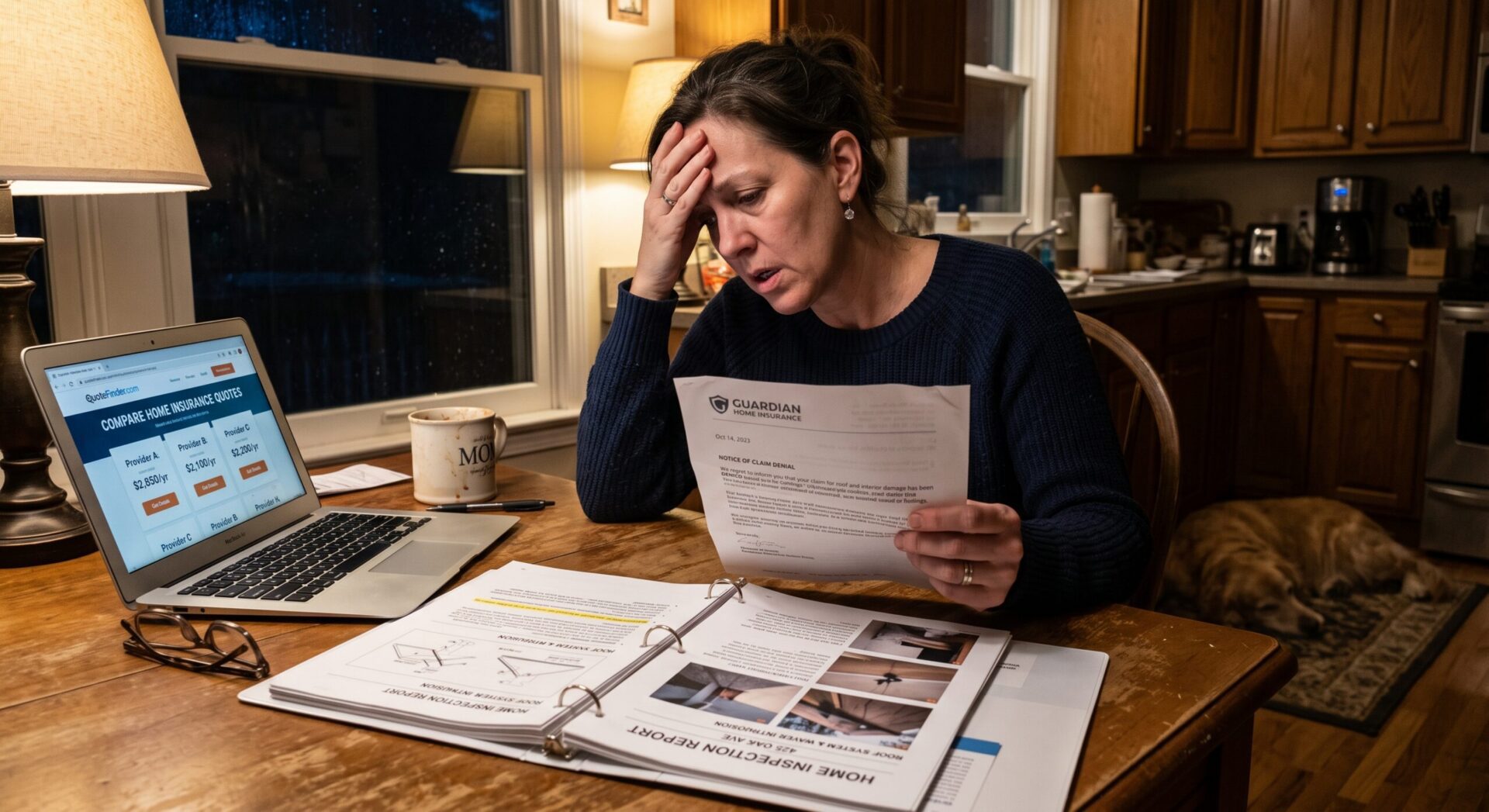
- The 30-day letter: You receive a notice stating that your policy will be cancelled in 30 days unless you replace the Federal Pacific panel and provide proof of completion.
This “30-day trap” forces homeowners into rushed decisions and often leads to accepting the first contractor quote without proper due diligence—exactly when you’re most vulnerable to overpricing or corner-cutting.
🚨 The Denied Claim Scenario
Even worse than policy cancellation is the risk of a denied claim. If your home experiences an electrical fire and the investigation traces it to the FPE panel, your insurance company may deny coverage based on “known hazard” or “neglect” provisions in your policy.
You would not only lose your home’s contents—you’d be personally liable for rebuilding costs, potentially hundreds of thousands of dollars.
Can You Even Get Insurance with an FPE Panel?
In 2025, it’s increasingly difficult. Major carriers and the Texas FAIR Plan Association (the state’s insurer of last resort) have strict underwriting guidelines. Federal Pacific panels frequently appear on “ineligible risk” lists alongside Zinsco panels and aluminum wiring.
Some carriers will insure the property but:
- Charge dramatically higher premiums (sometimes double)
- Exclude electrical fire coverage entirely
- Require annual inspections
- Drop you at renewal if the panel isn’t replaced
The math is simple: the cost of replacement ($2,800-$7,800) is often less than the cumulative premium increases and potential denied claims you’d face by keeping the panel.
Warning Signs You Need Immediate Replacement
If you have a Federal Pacific panel, vigilance is critical. While the defect is latent—meaning the panel can function normally for years—certain warning signs indicate active failure modes that require emergency action.
Call an Electrician Immediately If You Notice:
🚨 Emergency Warning Signs
- Scorch marks or discoloration: Black or brown marks around breakers or on the inside of the panel door indicate past arcing or overheating. This is active fire damage.
- Burning smell or smoke: Any odor of burning plastic or visible smoke from the panel requires immediate power shutdown and emergency electrician response.
- Buzzing, sizzling, or crackling sounds: These noises indicate active electrical arcing. This is not normal and represents an imminent fire hazard.
- Panel warm or hot to the touch: Place your hand on the metal panel cover. It should be at room temperature. If it feels warm or hot, dangerous resistance heating is occurring inside.
- Breaker failed to trip during an obvious overload: If you experienced a short circuit or major overload (like a tool motor seizing) and the breaker stayed on, it’s jammed—your wiring was unprotected during a dangerous event.
- Breakers that fall out when the cover is removed: This indicates the bus bar connection has failed completely. The breaker is not properly seated and is creating a high-resistance connection.
If you observe any of these signs, do not wait. These are not “schedule it next month” conditions. Turn off the main breaker if safe to do so, and contact an emergency electrician immediately. The panel is actively failing.
No Active Symptoms, But Confirmed FPE Panel
Even if your panel shows no warning signs, the defect is still present. You’re essentially living with a safety device that functions correctly only until the moment you need it—at which point it may fail catastrophically.
The analogy: imagine a smoke detector that works fine when you press the test button but doesn’t go off in an actual fire. It seems fine until the moment it isn’t, and by then it’s too late.
Recommendation: Plan and budget for replacement as soon as financially feasible. This should be in your top 3-5 home improvement priorities, alongside roof leaks and HVAC failures.
Lower Priority Scenarios
There is no scenario where keeping a Federal Pacific panel is “safe,” but some situations allow for more planning time:
- Panel shows no symptoms and home electrical load is very low (minimal appliances, rarely occupied)
- You’re planning other major electrical work within the next 6-12 months (can coordinate with that project)
- You’re saving for the replacement but have reduced electrical usage in the meantime
Even in these cases, the panel should be replaced—just not necessarily this week.
Modern Panel Options: What You’re Getting When You Upgrade
Replacing your Federal Pacific panel isn’t just about eliminating a hazard—it’s about upgrading to modern electrical protection technology that didn’t exist when your home was built. Here’s what you’re actually getting.
Recommended Panel Brands for Fort Worth Installations
Three manufacturers dominate the quality residential market in DFW:
Square D (Schneider Electric)
- QO Series: Often considered the “gold standard” by electricians. Features copper bus bars, a “Visi-Trip” indicator (red flag appears when a breaker trips), and exceptional durability. More expensive but worth it for long-term reliability.
- Homeline Series: The budget-friendly option. Uses aluminum bus bars but maintains high quality and safety standards. Good choice for cost-conscious homeowners.
Eaton (Cutler-Hammer)
- CH Series: Comparable to Square D QO. Features distinctive sandalwood-colored handles, copper bus bars, and lifetime warranty on breakers. Extremely reliable.
- BR Series: Standard builder-grade line, comparable to Square D Homeline. Solid performance at mid-range pricing.
Siemens
- Another reputable manufacturer commonly found in new construction. Reliable performance and competitive pricing.
✅ What Modern Panels Do That FPE Panels Don’t
Reliable overcurrent protection: Breakers trip when they’re supposed to, with failure rates under 0.1%—hundreds of times more reliable than FPE.
Arc-fault protection: AFCI breakers detect dangerous electrical arcing (from damaged cords, loose connections, or rodent damage) and shut off power before a fire starts.
Ground-fault protection: GFCI protection prevents electrocution in wet areas like kitchens, bathrooms, and outdoors.
Higher capacity: 200-amp service supports modern loads including HVAC, EV chargers, and multiple large appliances running simultaneously.
Better construction: Solid copper bus bars, secure breaker connections, proper heat dissipation, and UL listing that was actually earned through legitimate testing.
Should You Consider a “Smart Panel”?
Smart electrical panels (like Leviton Load Center or SPAN) are an emerging technology that offers additional features beyond basic safety:
- Circuit-by-circuit energy monitoring via smartphone app
- Remote control of individual breakers
- Integration with solar panels and battery storage
- Load management for EV charging
- Real-time alerts for electrical anomalies
The catch: Smart panels add $2,000-$4,000 to project costs. For most Fort Worth homeowners replacing an FPE panel, this is overkill. However, if you’re planning to add solar panels, battery backup, or an EV charger in the near future, a smart panel might make sense as part of a comprehensive electrical upgrade.
Our recommendation: Focus on a quality traditional panel (Square D QO or Eaton CH) for your FPE replacement. You can always upgrade to smart capabilities later if your needs change.
Fort Worth-Specific Considerations
Living in North Texas means dealing with unique environmental and regulatory factors that affect both the urgency and complexity of electrical work.
The Heat Factor: Why Fort Worth Summers Accelerate Panel Failures
Fort Worth summers are brutal on electrical systems. Attics and garages—where many panels are located—can reach temperatures exceeding 140°F during July and August.
This intense heat creates two problems for Federal Pacific panels:
- Thermal cycling stress: The extreme daily temperature swings (70°F at night, 140°F during the day) cause metal components to expand and contract. This accelerates the loosening of the already-poor bus bar connections in FPE panels, making failures more likely in our climate than in cooler regions.
- Continuous high loads: Your air conditioning runs constantly for months, drawing maximum current through breakers and panel connections. This sustained high-current operation is exactly the condition that triggers FPE’s overheating defects.
If you’re researching Federal Pacific panels and reading national statistics, understand that failure rates in Fort Worth are likely higher than average due to our climate. The heat doesn’t just make electrical work more uncomfortable—it makes defective panels more dangerous.
Fort Worth Permitting Process
Every panel replacement in Fort Worth requires a permit. There are no exceptions. Here’s what the process involves:
- Permit application: Your electrician submits plans and pays fees (typically $150-$300 total including base permit and inspection fees)
- Plan review: City reviews for code compliance (usually 3-5 business days)
- Work performed: Electrician completes the installation
- Rough-in inspection: Inspector verifies rough work before covering (if applicable)
- Service release inspection: Final inspection before ONCOR can reconnect permanent power
- Final approval: Inspector signs off, ONCOR reconnects, project complete
The “service release” step is critical. Your home will be without power from the time the electrician disconnects the old panel until the city inspector approves the new installation and ONCOR reconnects. This coordination is time-sensitive and is one reason why professional electricians factor administrative time into their labor rates.
💡 Why You Don’t Want to Skip the Permit
Some contractors offer to “save you money” by skipping the permit. This is a terrible idea for multiple reasons:
- The installation won’t be inspected, so defects may go unnoticed
- Insurance companies can deny claims if they discover unpermitted electrical work
- You can’t sell the home without disclosing unpermitted work, forcing you to get permits retroactively (which is more expensive and complicated)
- You assume legal liability for code violations
- The electrician willing to skip permits is likely cutting other corners too
Always require permits. The $150-$300 cost is insurance that the work is done properly.
Expansive Clay Soil Complications
DFW sits on expansive clay soil that expands dramatically when wet and contracts when dry. This soil movement is a constant challenge for underground infrastructure.
During a service upgrade, electricians sometimes discover that underground electrical laterals (the conduit and wire running from the utility transformer to your home) have sheared, separated, or been crushed by shifting soil. Repairing this damage is an additional, often unforeseen cost that ranges from $1,500 to $4,000 depending on the extent of damage and the length of conduit run.
This is one reason why quotes sometimes increase after the work begins—the electrician didn’t know about the underground damage until they dug into the project. A reputable contractor will show you the damage and explain why additional work is necessary. This isn’t upselling; it’s dealing with the realities of North Texas geology.
Frequently Asked Questions
Do ALL Federal Pacific panels need to be replaced?
Yes. The defect is inherent to the design and manufacturing process—it’s not a matter of “some panels are bad and some are good.” All FPE Stab-Lok panels have the same defective breaker mechanism and bus bar connection design. You cannot test individual breakers to determine if they’re safe (testing would require overloading them, which risks fire). The presence of the panel is the hazard, regardless of whether it’s shown symptoms.
Among professional electricians, home inspectors, and electrical engineers, the consensus is absolute: these panels should be replaced. The only debate is timeline (immediately vs. soon), not whether replacement is necessary.
Can you sell a house with a Federal Pacific panel?
Legally, yes—but practically, it’s extremely difficult. The panel will be flagged on the home inspection report as a material defect. Once documented, you must disclose it to all future buyers. Most buyers will either walk away, demand significant price concessions ($5,000-$8,000 or more), or require you to replace the panel before closing. In Fort Worth’s competitive market, many sellers are choosing to replace FPE panels proactively before listing to avoid these negotiations and lost deals.
Will my homeowners insurance cover a Federal Pacific panel?
Most insurance companies in Texas now refuse to cover homes with Federal Pacific panels, or they’ll provide coverage with severe restrictions. Common scenarios include: outright policy denial, coverage with electrical fire exclusions, dramatically higher premiums, or the “30-day trap” where you receive coverage initially but then get a cancellation notice after the field inspection reveals the FPE panel. You’re required to replace it within 30 days or lose coverage. The Texas FAIR Plan (insurer of last resort) also blacklists these panels.
How long does a panel replacement take in Fort Worth?
The physical installation work typically takes 8-10 hours for a two-person crew, often completed in one day for straightforward jobs. However, the total timeline from contract signing to final energization is usually 5-10 business days due to: permit application and review (3-5 days), scheduling with ONCOR for disconnect/reconnect (varies), and inspection coordination (usually same-day or next-day for the final inspection). Weather can also delay outdoor work. Plan for about two weeks total to accommodate scheduling and potential complications.
Can I just replace the breakers instead of the whole panel?
No. First, FPE Stab-Lok breakers are no longer manufactured, so replacement breakers are used surplus stock of unknown age and condition—you’d be replacing old defective breakers with other old defective breakers. Second, the problem isn’t just the breakers—it’s also the bus bar connection design. Third, no reputable electrician will work on an FPE panel beyond disconnecting it. Installing new breakers would imply they’re certifying the safety of the system, assuming liability for equipment they know to be defective. The only responsible solution is complete panel replacement.
Is a 100-amp to 200-amp upgrade really necessary?
It’s not strictly mandatory—you can replace a 100A panel with another 100A panel. However, we strongly recommend the 200A upgrade for several reasons: modern building standards now call for 200A as the minimum for new construction; resale value is higher with 200A service; you’ll have capacity for future needs like EV chargers, modern heat pumps, or additional circuits; and the cost difference is only $500-$800 more than a 100A replacement. Since you’re already paying for the service entrance work due to the 2023 NEC emergency disconnect requirement, upgrading the amperage now is far cheaper than doing it later.
What happens if I don’t replace it?
You’re accepting multiple risks: fire risk (estimated 2,800 FPE-related fires annually in the US), insurance complications (policy cancellation or denied claims), inability to sell the home (or forced concessions), inspection failures for refinancing, and potential liability if someone is injured. The panel will not improve with age—the defects get worse over time as connections loosen and internal mechanisms degrade. The question isn’t whether to replace it, but when. Delaying just increases your risk exposure without saving you money (prices generally don’t decrease, and code requirements tend to get more stringent over time).
Final Thoughts: The One Time Replacement Really Is Necessary
If you’ve read this far, you now know more about Federal Pacific panels than 95% of homeowners—and probably more than you ever wanted to know about electrical code requirements and circuit breaker failure modes.
Here’s what we want you to take away from this guide:
We’re the electricians in Fort Worth who don’t upsell unnecessarily. We fix breakers that just need tightening. We repair burnt connections instead of replacing entire panels when that’s the right solution. We give you options, not pressure. That’s our reputation, and we protect it.
Which is exactly why you can trust us when we say Federal Pacific panels genuinely need to be replaced.
This isn’t contractor fearmongering. This is documented engineering failure, proven in court, confirmed by independent testing, and recognized by insurance companies and building inspectors across the country. The CPSC’s decision not to order a recall was budgetary, not technical. The evidence is overwhelming and incontrovertible.
When you’re getting quotes, look for these elements of a quality, honest proposal:
- Detailed line-item breakdown showing labor, materials, and permits separately
- Explicit mention of the 2023 NEC emergency disconnect requirement
- Quality panel brands (Square D, Eaton, Siemens—not “contractor grade” no-names)
- Inclusion of required AFCI/GFCI breakers and surge protection
- City of Fort Worth permit application included in the scope
- Warranty on both labor and materials
- Texas licensed electrician performing the work (ask for license number)
If a quote seems too good to be true, it probably is. If it seems unreasonably high, ask questions and get competing bids. The fair market range for 2025-2026 is $2,800-$4,800 for a standard 200A upgrade. Quotes within this range from licensed, insured Fort Worth electricians who can explain their pricing are reasonable.
Yes, $4,000 is a lot of money. But it’s less than the cumulative insurance premium increases you’ll face. It’s less than the price concessions you’ll give up when selling. And it’s infinitely less than rebuilding your home after a fire or facing a denied insurance claim.
The choice isn’t whether to replace your Federal Pacific panel. The evidence makes that decision for you. The choice is when to replace it, and who to trust with the work.
Call or Text: (682) 478-6088
Serving Fort Worth, Arlington, Keller, Southlake, Colleyville, Grapevine, Lewisville, and all of DFW
We’ll walk you through exactly what your home needs—no pressure, no games, just honest answers and transparent pricing. That’s what we’re known for.