
What Should an Electrician Charge Per Hour in North Richland Hills? (2026 Honest Pricing Guide)
⚡ Key Takeaways
- Fair hourly rates in North Richland Hills range from $100-$150 for standard service in 2026
- Why the markup exists: Your electrician earns $28-$35/hour, but insurance, licensing, trucks, and overhead triple that cost
- Emergency rates (nights/weekends) run $150-$250/hour — steep but justified when you need immediate help
- Service call fees of $100-$200 are standard and usually cover the first hour of diagnostics
- Red flags to watch for: vague invoices, excessive diagnostic fees, pressure tactics, and cash-only demands
- 1980s homes in North Richland Hills face specific issues: Federal Pacific panels, backstabbed outlets, and heat-damaged wiring
- Always verify your electrician’s Texas license (TECL) at tdlr.texas.gov before hiring
Why Electrician Pricing Feels So Confusing (And Why That’s a Problem)
You’re staring at three wildly different quotes for the same breaker replacement.
One electrician quoted $85 per hour. Another said $150 per hour. The third won’t give you an hourly rate at all — just a flat price of $450 for “electrical repairs.”
Which one is fair? Which one is trying to rip you off? And why does every electrician in North Richland Hills seem to price their work differently?
Here’s the thing: most electricians aren’t trying to overcharge you. But the pricing IS confusing, and unfortunately, some companies use that confusion to their advantage. They know you don’t know what’s fair, so they make it hard to compare.
Nobody wants to overpay for electrical work. But you also don’t want your house to burn down because you hired the cheapest guy who doesn’t pull permits or carry insurance.
This guide gives you the straight answer on what electricians actually charge in North Richland Hills in 2026 — and more importantly, why those rates exist. You’ll learn how to spot fair pricing versus predatory tactics, what questions to ask before you hire, and the specific issues that affect homes in North Richland Hills.
By the end, you’ll know exactly what to expect when you call an electrician, and you’ll be able to tell the difference between an expensive but fair quote and someone trying to take advantage.
The Straight Answer: What Electricians Charge in North Richland Hills (2026)
💡 Quick Answer
Standard electrical service in North Richland Hills runs $100-$150 per hour for journeyman work in 2026. Master electricians on complex jobs charge $90-$120+ per hour. Service call fees (trip charges) add another $100-$200, which usually covers the first hour of diagnostics.
Let’s break down what you’ll actually pay based on the type of work and the electrician’s license level.
Journeyman Electrician Rates: $100-$150 Per Hour
This is your typical service call rate. A journeyman electrician is fully licensed and can work independently on most residential electrical issues — breaker replacements, outlet repairs, fixture installations, troubleshooting circuits that won’t work.
In North Richland Hills and the broader DFW area, journeyman rates cluster around $100-$150 per hour for scheduled service during business hours.
Master Electrician Rates: $90-$120+ Per Hour
Master electricians handle the most complex work: panel design, load calculations for whole-house upgrades, code compliance reviews, and anything that requires stamped drawings or engineering approval.
Interestingly, master electrician hourly rates are often slightly lower than journeyman rates for standard service calls, but the jobs they handle tend to be larger and more involved. If you need a 200-amp panel upgrade, that’s master electrician territory.
Apprentice Rates: $40-$60 Per Hour
You won’t typically be billed directly for an apprentice’s time on a service call. Apprentices work under supervision and are usually included as part of a larger crew on big projects — like whole-house rewires or new construction. When they do bill separately, it’s as a “helper rate” at $40-$60 per hour.
How DFW Compares
The average billable rate in Dallas-Fort Worth sits comfortably mid-range nationally. You’ll pay more than rural Texas ($75-$90/hour) but far less than coastal markets like New York City ($200+/hour) or San Francisco ($180-$220/hour). North Richland Hills pricing reflects the competitive DFW market — fair but not inflated.
Why Does My Electrician Charge $125 When They Only Earn $30?
This is where people get frustrated.
Your electrician earns somewhere between $28 and $35 per hour. But you’re being charged $125 per hour. That’s more than four times what they make. What gives?
The honest answer: that $125 isn’t profit. In fact, after all expenses, the electrical contractor is probably netting about $15-$20 of that $125 as actual profit. The rest goes to real, unavoidable costs.
Here’s where your money actually goes:
The Real Cost Breakdown (No BS)
Out of every $125 you pay:
- $30 → The electrician’s wage (what they take home)
- $20 → Payroll taxes, worker’s comp insurance, and benefits
- $40 → Overhead (truck, liability insurance, licensing, fuel, shop rent)
- $20 → Office support, scheduling, callbacks, warranty service
- $15 → Company profit (10-20% is industry standard)
Let’s break down the big-ticket items so you understand where your money is really going.
💡 Why Worker’s Comp Insurance Matters to You
If your electrician gets hurt on your property and they DON’T have worker’s compensation insurance, guess who gets sued? You do. That $3-$8 per $100 in labor the contractor pays protects YOUR assets. Always ask if they carry worker’s comp before letting anyone work on your home.
What’s Actually Included in That “Overhead” Cost
Insurance (The Big One): Texas requires electrical contractors to carry general liability insurance with minimum limits of $300,000 per occurrence and $600,000 aggregate. But reputable contractors — the ones you actually want working on your home — carry $1 million to $2 million in coverage. This protects you if something goes wrong. Annual premiums for this level of coverage run $3,000-$8,000 depending on company size.
Licensing and Continuing Education: Every electrician in Texas must hold a license through the Texas Department of Licensing and Regulation (TDLR). The contractor license costs $110 annually, plus individual technician renewals. Master electricians also pay for continuing education credits to stay current on the National Electrical Code updates. These aren’t optional — they’re legally required.
The Truck: A fully outfitted electrical service van represents a capital investment of $60,000 to $80,000. That includes the vehicle itself, ladder racks, tool bins, cable reels, and an inventory of breakers, outlets, wire, and connectors so the electrician can fix common issues on the first visit. Operating this truck involves fuel (a major cost in DFW’s sprawling geography), commercial auto insurance, and regular maintenance.
Drive Time Between Jobs: Your electrician spends 30 to 45 minutes driving between service calls in DFW traffic. That’s paid labor time — but it’s not billable to any specific customer. To compensate, the hourly rate during productive work must be higher to cover those non-revenue hours.
When you add it all up, the markup makes sense. It’s not greed — it’s the cost of running a legitimate, licensed, insured business that will still be around to honor warranties and fix problems if something goes wrong.
If you need general electrical services and someone quotes you $60 per hour, ask yourself: how are they covering all these costs and still making a living? The answer is usually that they’re not — and that risk falls on you.
Service Call Fees & Pricing Models (What to Expect)
Electricians use two main pricing models: hourly (time and material) or flat rate (upfront pricing). Understanding the difference helps you know which one to ask for based on your specific situation.
Hourly Pricing (Time & Material)
You pay for the actual time the electrician works, plus the cost of materials used. The final price isn’t known until the job is finished.
Best for: Unknown troubleshooting. If your lights flicker randomly and you don’t know why, hourly billing makes sense because the electrician might find the problem in 15 minutes — or it might take three hours of testing circuits.
Pro: You don’t overpay if it’s a quick fix.
Con: Final price is unknown until the work is done. If you’re anxious about costs, this can be stressful.
Flat Rate Pricing (Upfront Pricing)
The electrician gives you a fixed price for the entire job before starting any work. The price doesn’t change even if the work takes longer than expected.
Best for: Defined projects with clear scope — panel upgrades, ceiling fan installations, outlet replacements, installing dedicated circuits.
Pro: Price certainty. No anxiety about the clock ticking while the electrician works.
Con: Often higher than hourly to cover the contractor’s risk. If they quote two hours but finish in one, you still pay for two.
💡 Our Recommendation
For mystery troubleshooting (“Why does my breaker keep tripping?”), ask for hourly billing with a cap — “not to exceed $X.” For defined work like a breaker replacement, flat rate gives you peace of mind. Either way, get the pricing structure in writing before work starts.
Service Call Fees (Trip Charges)
Most electricians in North Richland Hills charge a service call fee of $100-$200 just to come to your house. This isn’t a scam — it’s a standard industry practice.
What it covers: Drive time to your home, vehicle operating costs (fuel, insurance, maintenance), and usually the first 30 to 60 minutes of diagnostic work.
When it’s credited: Many companies will apply the service call fee toward the total repair cost if you accept their quote and have them do the work. If you decline the repair, you still pay the service call fee for the diagnosis.
Watch for this tactic: Some companies advertise that they “waive” the trip fee if you accept repairs. That sounds great — but verify they haven’t inflated the repair price to compensate. Compare the repair cost to market rates for the same work.
Emergency & After-Hours Pricing (When You Can’t Wait)
If you smell burning, see smoke, or have exposed wires sparking, call 911 first, then an electrician. These are active fire hazards that require immediate emergency response.
For electrical emergencies that don’t involve active flames — like partial power loss during a July heatwave, a breaker that won’t reset and killed your refrigerator full of food, or storm damage — you’ll need after-hours service.
Here’s what emergency calls cost and why the rates are justified.
Emergency Rate Structure
When emergency rates apply: After 5:00 PM on weekdays, all day Saturday and Sunday, and any holidays.
Rate multiplier: Expect 1.5x to 2.0x the normal hourly rate. This pushes the billable rate to $150-$250 per hour.
Minimum charges: Emergency calls almost always carry a two-hour minimum, even if the repair takes 20 minutes. You’ll pay $300-$500 minimum just to have someone diagnose and stabilize the problem.
When Emergency Rates Are Worth It
You’re not being gouged — you’re paying a premium for immediate availability. Here’s when that premium makes sense:
- Smoking electrical panel or burning smell
- Partial power loss during extreme heat (no AC in July when it’s 102°F outside)
- Breaker repeatedly tripping on a critical circuit (refrigerator, medical equipment)
- Storm damage that left wires exposed or service entrance damaged
⚠️ Can It Wait Until Morning?
If you’re not in immediate danger and won’t suffer property damage (frozen pipes, spoiled food, heat stroke), schedule a regular service call tomorrow and save $200-$300. Flickering lights are annoying, but they’re rarely an emergency. One dead outlet can wait. A noisy ceiling fan can definitely wait.
The emergency premium ensures that skilled electricians are available on standby when you genuinely need them. For a homeowner in North Richland Hills facing a complete loss of air conditioning during a Texas summer, the value of immediate service far outweighs the extra cost.
What Common Jobs Actually Cost in North Richland Hills (2026)
North Richland Hills has a huge inventory of homes built during the 1980s boom. If your house was built during that era, some of these costs are going to apply to you — particularly panel replacements and outlet rewiring.
Here’s what you should expect to pay for common electrical work in 2026:
| Service | Cost Range | Timeline | Notes |
|---|---|---|---|
| Service Call / Diagnosis | $100-$200 | 1 hour | Usually credited toward repairs if you proceed |
| Single Breaker Replacement | $150-$300 | 1-2 hours | Standard breaker; AFCI breakers add $50-$80 |
| GFCI Outlet Installation | $130-$300 | 1 hour | Required in kitchens, bathrooms, garages by code |
| Standard Outlet Replacement | $150-$250 | 30 min – 1 hour | Per visit; volume pricing if doing multiple |
| Ceiling Fan Installation | $248-$638 | 2-4 hours | Cost varies by ceiling height and if new fan-rated box is needed |
| Panel Upgrade (200-Amp) | $2,800-$4,800 | 1-2 days | Includes permits, inspection, emergency disconnect requirement |
| Federal Pacific Replacement | $3,000-$5,000 | 1-2 days | Often higher due to panel relocation and rewiring |
| Recessed Lighting Install | $150-$300 per fixture | Varies | New installation in existing ceiling |
✅ Bundle Services to Save on Trip Charges
If we’re already at your house installing a ceiling fan, have us check your GFCI outlets, test your main panel breakers, and look at that outlet that sparks occasionally. You’ll save $150-$200 in additional trip charges by bundling the work into one visit.
These prices reflect the current North Richland Hills market in 2026, including permit costs, the 2023 National Electrical Code requirements (like mandatory surge protection and emergency disconnects), and typical labor rates for the DFW area.
For more detailed pricing on specific projects, see our guides on panel installation and Federal Pacific panel replacement.
North Richland Hills Specific Issues (The 1980s Problem)
If your house was built during North Richland Hills’ massive residential expansion in the 1980s, you’ve got specific electrical vulnerabilities that affect both pricing and safety. These issues are so common in older NRH homes that electricians budget extra time and materials when they see an 80s-era house.
1. Backstabbed Outlets (The Hidden Time Bomb)
What it is: During the rapid construction boom of the 1980s, electricians frequently used the “backstab” method for wiring outlets. Instead of properly screwing wires down to the side terminals, they pushed wires into holes in the back of the outlet, held in place by a small spring clip.
Why it’s a problem: After 40 years of thermal cycling — the wire heating up when current flows, then cooling down when the load stops — those spring clips fatigue. The connection becomes loose. Loose connections cause arcing. Arcing causes heat. Heat melts plastic.
Symptoms you’ll notice:
- Lights flicker when you plug something in
- Outlets work intermittently
- Outlets feel warm to the touch
- Scorch marks or melting around outlet covers
The fix: Pull every backstabbed outlet, clip off the damaged wire ends, and rewire properly using the side screw terminals. This is tedious, time-consuming work — expect to pay $150-$250 per visit for outlet rewiring, or $20-$40 per outlet if you’re doing volume work during a remodel.
2. Federal Pacific & Zinsco Panels (The Insurance Killer)
The hazard: Federal Pacific Electric (FPE) Stab-Lok panels and Zinsco panels have a documented failure rate of 60-80% for certain breaker types. This means the breaker may fail to trip during an overload or short circuit — the exact moment you need it to protect your home from fire.
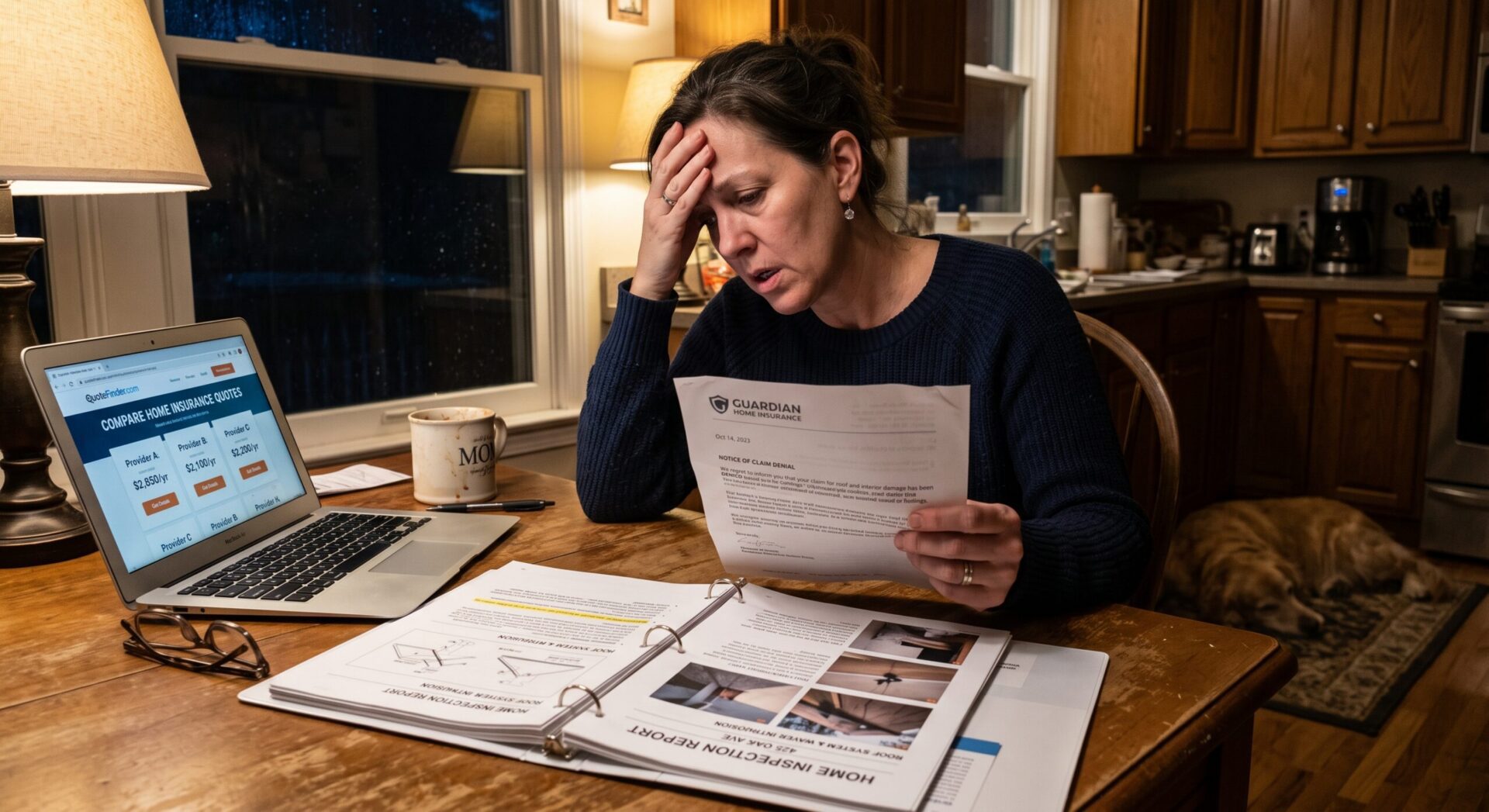
Insurance pressure: Many homeowners insurance carriers in Texas will not renew policies for homes with Federal Pacific or Zinsco panels. If your policy comes up for renewal and the inspector flags your panel, you’ll be forced to replace it before the carrier will bind coverage.
Replacement cost: $2,800-$4,800, often trending toward the higher end because these older panels were frequently installed in code-violating locations (bedroom closets, bathrooms). Modern code requires panels in accessible, compliant locations — which means relocating the panel and running new home-run circuits.
If you have a Federal Pacific or Zinsco panel, budget for replacement immediately. This isn’t a “nice to have” upgrade — it’s a verified safety hazard that threatens both your home and your ability to maintain insurance coverage.
For detailed cost breakdowns specific to this issue, see our guide on Federal Pacific panel replacement costs.
3. Heat-Damaged Wire Insulation (The Attic Factor)
The reality: North Texas attics routinely reach 140°F during summer months. After 40 years of this thermal abuse, the plastic insulation on electrical wiring becomes brittle and begins to crack.
The surprise cost: You call an electrician to install a new ceiling fan. They go into the attic to run power to the fan location. When they move the existing wire to make room, the insulation crumbles off in their hands, exposing bare copper.
Now what was supposed to be a $300 fan installation becomes a $600-$800 project because the electrician has to pull new wire to bring everything up to code. This isn’t upselling — it’s a safety requirement. You can’t leave exposed copper wire energized in an attic.
If you’re planning any electrical work in a 1980s North Richland Hills home, build a 30% contingency into your budget for unexpected rewiring.
Red Flags & Warning Signs (How to Spot Predatory Pricing)
⚠️ Trust Your Gut
If something feels off about the way an electrician talks to you, quotes the work, or pressures you to decide immediately — trust that instinct. You’re not being paranoid. You’re being smart.
Most electricians in North Richland Hills are honest professionals trying to make a living. But every market has bad actors who exploit homeowner confusion about electrical pricing. Here are the red flags that should make you walk away.
1. The “Free Inspection” Scam
How it works: Someone knocks on your door offering a free electrical panel inspection. They’re friendly, professional-looking, and claim they’re “in the neighborhood doing work.” They inspect your panel and tell you it’s a fire hazard that needs immediate replacement — often quoting $6,000-$8,000 for work that should cost $3,000-$4,000.
Why it’s a scam: Legitimate electrical contractors rarely solicit door-to-door. The “inspection” is a high-pressure sales tactic designed to scare you into authorizing unnecessary work.
What to do: Politely decline. If you’re concerned about your panel, call a licensed electrician you found through research — not someone who showed up uninvited.
2. Vague Invoices
The red flag: The invoice says “Electrical Repairs… $3,000” with no breakdown of materials, labor hours, or work performed.
Why it’s a problem: You have no way to verify you got what you paid for. If something goes wrong later, you can’t prove what was supposed to be fixed. When you sell your home, the inspector will want to see permits and detailed invoices for major electrical work.
What you need: Line-item invoicing that lists materials with brand and model numbers, labor hours or flat-rate pricing clearly stated, and permit numbers if applicable.
3. Excessive Diagnostic Fees
Market rate in North Richland Hills: $100-$150 for a diagnostic service call.
Red flag: Charging $400 just to look at your panel or diagnose a circuit problem.
If the diagnostic fee seems unreasonably high, get a second opinion. Some companies use inflated diagnostic fees to pressure you into accepting repairs — “Well, you already paid $400 for us to look at it, might as well fix it now.”
4. Cash-Only Demands
Legitimate reason for a cash discount: Accepting credit cards costs the contractor 2.5-3.5% in processing fees. Offering a small discount for cash or check is reasonable.
Red flag: Refusing to accept anything other than cash and not providing a detailed receipt.
Why it’s bad: No paper trail means no warranty protection, no recourse if the work fails, and no proof the work was done when you try to sell your home. Cash-only contractors are often avoiding taxes, operating without licenses, or both.
5. No License Number Displayed
Texas law: Every electrical contractor must display their TECL (Texas Electrical Contractor License) number on both sides of their vehicle and on all invoices, estimates, and contracts.
How to verify: Go to tdlr.texas.gov and search by company name or TECL number. You’ll see the license status, expiration date, and any disciplinary actions on file. This takes 30 seconds and could save you thousands in botched repairs.
If they can’t or won’t provide a TECL number, don’t hire them. Period.
✅ Before You Hire — Essential Checklist
- Verify TECL license at tdlr.texas.gov
- Check for recent complaints on Better Business Bureau
- Get written estimate (not verbal promises)
- Confirm they pull permits for any work that requires them
- Ask about warranty on labor (1 year minimum is standard)
- Verify insurance coverage ($1M/$2M general liability is best)
- Get at least two quotes for major work (panel upgrades, rewiring)
For more guidance on evaluating electrical work safety, see our electrical safety inspection guide.
Questions to Ask Before You Hire an Electrician
Here are the essential questions every homeowner should ask before hiring an electrician in North Richland Hills — and what the answers should sound like.
About Pricing
“What’s your hourly rate, and what does that include?”
Good answer: “Our rate is $125 per hour, which includes labor, basic hand tools, and diagnostic time. Materials are billed separately at cost plus 15% markup. We also charge a $150 service call fee that covers our first hour.”
Bad answer: “It depends” or “We don’t do hourly, we only do flat rate” (without explaining how flat rate is calculated).
“Is there a service call fee? Is it credited toward repairs?”
Good answer: “Yes, we charge $150 for the service call, which covers our trip to your home and the first hour of diagnostics. If you approve the repair, that $150 is credited toward your total.”
“Can you give me a not-to-exceed price for the diagnosis?”
This is smart for mystery troubleshooting. You’re capping your risk — “I’ll pay up to $300 to find out what’s wrong, but if it’s going to cost more than that just to diagnose, call me before you keep going.”
About Licensing and Insurance
“What’s your TECL number?”
They should give it to you immediately. Then verify it on your phone at tdlr.texas.gov while they’re standing there. This isn’t rude — it’s due diligence.
“Do you carry worker’s compensation insurance?”
The answer should be yes. If they’re a sole proprietor with no employees, they may be exempt — but if they bring helpers or apprentices, they need coverage.
“What’s your general liability coverage?”
Look for $1 million to $2 million. The Texas minimum is $300,000/$600,000, but that’s bare minimum. If something goes seriously wrong, you want your contractor to have the coverage to make it right.
About the Work Itself
“Will you pull permits for this work?”
If the work requires a permit (panel replacement, service upgrade, new circuits, major rewiring), the answer must be yes. If they offer to skip the permit “to save you money,” walk away. The city inspection is your guarantee the work is safe and legal.
“What’s your warranty on labor?”
One year on labor is standard in the industry. Some contractors offer longer warranties as a competitive advantage. Materials typically carry manufacturer warranties.
“Can I see a sample invoice from a similar job?”
This shows you what level of detail to expect. A good contractor will have no problem showing you a past invoice (with customer info redacted) so you know what the final paperwork looks like.
💡 The “Permit Test”
If an electrician offers to skip the permit to save you $50, they’re not saving you money — they’re avoiding the city inspection. That inspection is YOUR guarantee that the work meets code and won’t burn your house down 10 years from now. Always insist on permits for work that requires them.
North Richland Hills Permit & Code Requirements (What Affects Your Cost)
North Richland Hills enforces the 2023 National Electrical Code (NEC) — one of the most current and rigorous electrical safety standards available. This is good for your safety, but it does affect project costs because modern code requirements add specific materials and labor steps that older codes didn’t mandate.
What the 2023 NEC Means for Your Wallet
1. Emergency Disconnect Requirement (NEC 230.85): All new or replaced electrical service panels must have an external emergency shutoff switch accessible without entering the building. If your existing meter base doesn’t have this feature built in, the entire outdoor service entrance must be replaced.
Cost impact: +$800-$1,500 for service entrance upgrade.
2. Whole-House Surge Protection (NEC 230.67): All dwelling services installed or replaced after the 2023 code adoption must include a Type 1 or Type 2 surge protective device (SPD) to protect your home from voltage spikes caused by lightning or utility switching.
Cost impact: +$300-$500 for surge protection device and installation.
3. Expanded AFCI Requirements: Arc-Fault Circuit Interrupter (AFCI) breakers are now required on virtually all 120-volt circuits serving living spaces, bedrooms, closets, hallways, and similar areas. AFCI breakers detect dangerous arcing conditions and shut off power before a fire starts.
Cost impact: AFCI breakers cost $50-$80 each compared to $8-$12 for standard breakers. A typical 30-circuit residential panel could have $1,500 in breakers alone.
North Richland Hills Permit Fees
These are the actual permit costs for common electrical work in North Richland Hills:
- Panel replacement (up to 200 amps): approximately $41 base fee
- Adding or moving an outlet: $5 per outlet
- New circuit installation: varies by scope
- Minimum permit fee: $17
The permit fee itself is minimal — usually $17-$50 for most residential service work. But the permit comes with a city inspection, and that inspection is what ensures your electrician followed code and did the work safely.
💡 Why Permits Matter More Than the Fee
The $50 permit fee isn’t the cost — it’s the city inspection that comes with it. That inspection is your guarantee that 40 years from now, your electrical panel won’t be the “Federal Pacific problem” for the next homeowner. It also protects your home’s resale value. Buyers and their inspectors will ask for permit records on major electrical work.
For more detail on what electrical work requires permits in Texas, see our complete guide: All About Electrical Work That Requires a Permit in Texas.
How Epic Electrical Does Pricing Differently
We’re not going to tell you we’re the cheapest electrician in North Richland Hills. We’re not. But we will tell you exactly what you’re paying for, why it costs what it costs, and give you options instead of pressure.
1. Honest Diagnosis First
We tell you what’s actually wrong — not what we can upsell you into.
If your breaker just needs the terminal tightened because the connection worked loose, we’ll tighten it and charge you for the service call. We’re not going to tell you that you need a $4,000 panel replacement when a $200 repair fixes the problem.
Real example: A customer was quoted $6,000 for a full panel replacement by another company. The diagnosis was that their AC “drew too much power” and the panel couldn’t handle it. We came out for a second opinion. The actual problem was a burnt terminal connection on the main breaker — caused by a loose screw that had been arcing for months. We replaced the main breaker, tightened all the other connections, and tested the system. Total cost: $350. They still have that panel, and it’s working fine.
That’s the kind of work we do. We fix what’s broken. We explain what’s dangerous. We give you options for what could be upgraded. But we don’t manufacture problems to inflate bills.
2. Clear Pricing and Written Estimates
Before we start any repair work, you’ll know what it costs. For diagnostic service calls, we’ll tell you upfront: “$150 service call fee, covers the first hour of diagnosis. If we find the problem and you want us to fix it, that $150 applies to your total.”
For larger projects — panel replacements, whole-house rewires, EV charger circuits — we provide detailed written estimates that break down materials and labor. You’ll see exactly what you’re paying for.
No vague “electrical work” line items. No surprise charges when the bill comes.
3. We Pull Permits on Every Job That Requires One
The city inspectors in North Richland Hills know our work. We pass inspections on the first try because we follow code and do things right.
When you sell your home five or ten years from now, the buyer’s inspector will ask for permit records on major electrical work. You’ll have them because we pulled permits and kept copies for your records.
That paper trail protects your investment and gives the next owner confidence that your electrical system was installed or upgraded by a licensed professional following current code standards.
4. We Fix Small Stuff on the Same Visit When Possible
If we’re at your house replacing a circuit breaker and you mention that one of your GFCI outlets won’t reset, we’ll test it while we’re there. If it’s a quick fix, we’ll handle it on the spot instead of scheduling another service call and charging you another trip fee.
We’re there anyway. Why make you pay twice?
For more on how we approach common residential issues, visit our electrical wiring repairs page.
Frequently Asked Questions About Electrician Pricing in North Richland Hills
How much should an electrical contractor charge per hour in 2026?
In North Richland Hills and the Dallas-Fort Worth area, expect to pay $100-$150 per hour for standard residential service with a licensed journeyman electrician. This rate includes the electrician’s wage ($28-$35/hour), plus payroll taxes, worker’s comp and liability insurance, truck and equipment costs, licensing fees, drive time between jobs, and overhead. After all expenses, the electrical contractor typically nets about 10-20% profit. Emergency service after hours or on weekends runs $150-$250 per hour with a two-hour minimum due to the premium for immediate availability.
Why do electricians charge so much more than they earn?
Your electrician earns $28-$35 per hour in base wages, but the business must cover significant additional costs to operate legally and protect you. These costs include: worker’s compensation insurance ($3-$8 per $100 of labor), general liability insurance ($1M-$2M coverage costs $3,000-$8,000 annually), TDLR licensing and continuing education, a fully outfitted service truck ($60,000-$80,000 investment plus fuel and maintenance), drive time between jobs (30-45 minutes of paid but non-billable time), and administrative overhead. After all expenses, the company typically nets 10-20% profit. The “markup” covers real costs required to deliver safe, licensed, insured electrical service to your home.
What’s a reasonable service call fee in North Richland Hills?
$100-$200 is the standard service call fee range in North Richland Hills for 2026. This fee covers the electrician’s drive time to your home (often 30-45 minutes in DFW traffic), vehicle operating costs, and typically the first 30 to 60 minutes of diagnostic work. Most reputable companies credit this fee toward your total repair cost if you accept their quote and have them complete the work. If you decline the repair, you still pay the service call fee for the diagnosis time. Be wary of companies that “waive” the service call fee — verify they haven’t inflated the repair price to compensate.
Should I hire the cheapest electrician?
Not necessarily. If someone quotes significantly below market rate — like $50-$60 per hour when the market is $100-$150 — ask critical questions: Do they hold a valid TECL license you can verify on tdlr.texas.gov? Do they carry worker’s compensation insurance (protecting you from liability if they’re injured)? Do they carry adequate liability insurance ($1M-$2M)? Will they pull permits for work that requires them? Can they provide references and past work examples? The “cheap” electrician often becomes expensive when the work fails inspection, doesn’t meet code, causes damage, or worse — starts a fire. Fair pricing from a licensed, insured contractor protects your home and your financial investment.
Do I always need a permit for electrical work in North Richland Hills?
Yes, for major electrical work. North Richland Hills requires permits for: electrical panel replacements or upgrades, service entrance changes, new circuit installations, significant rewiring, and most work beyond simple device replacement. Minor repairs like replacing a light switch or outlet typically don’t require permits. The permit itself costs $17-$50 for most residential work — but the real value is the city inspection that comes with it. That inspection ensures the work meets the 2023 National Electrical Code, was done safely, and will be documented in city records (important for resale value). If a contractor offers to skip the permit “to save you money,” refuse. They’re avoiding inspection oversight, and that risk falls entirely on you.
What should I do if I have a Federal Pacific electrical panel?
Replace it immediately. Federal Pacific Electric (FPE) Stab-Lok panels have a documented failure rate of 60-80% for certain breaker types, meaning they may fail to trip during an overload or short circuit — the exact moment you need protection from fire. Many homeowners insurance carriers in Texas will not renew policies for homes with FPE panels, forcing replacement before coverage can bind. Replacement cost in North Richland Hills typically runs $2,800-$4,800 (often higher because these panels were frequently installed in code-violating locations and must be relocated). This isn’t optional — it’s a verified life safety hazard that threatens your home and your insurability. Budget for this immediately if you have one.
How can I verify my electrician is properly licensed in Texas?
Go to tdlr.texas.gov (Texas Department of Licensing and Regulation) and use the license search function. Search by company name or TECL number (which must be displayed on their truck and all paperwork). The database shows license status, expiration date, license type, and any disciplinary actions on file. This verification takes 30 seconds and is the single most important step before hiring any electrician. If they can’t or won’t provide a TECL number, or if the license shows as expired or suspended, do not hire them regardless of how good the price sounds.
The Bottom Line: What Fair Pricing Actually Looks Like in North Richland Hills
Here’s everything we’ve covered, condensed:
Fair hourly rates in North Richland Hills: $100-$150 for standard service during business hours. Emergency rates are $150-$250 per hour and justified when you need immediate help.
Service call fees: $100-$200 is standard and usually covers the first hour of diagnostic work.
Why the “markup” exists: Your electrician earns $28-$35 per hour, but insurance, licensing, trucks, overhead, and Texas regulatory requirements triple that cost. After expenses, the contractor nets 10-20% profit — not the 300% markup it appears to be at first glance.
What “fair” actually means: Transparent line-item invoicing. A TECL-licensed contractor who pulls permits. Written estimates before work begins. No pressure tactics. No hidden fees. No cash-only demands. And most importantly — honest diagnosis of what’s actually wrong instead of what can be upsold.
You’re not looking for the cheapest electrician in North Richland Hills. You’re looking for honest work at a fair price from someone who will still be in business to honor their warranty when you need them.
If you have to choose between a $90-per-hour contractor with no visible license, no insurance, and no permit-pulling, and a $125-per-hour contractor who is fully licensed, insured, and does everything by the book — the $125 option protects your home, your family, and your investment.
That’s not expensive. That’s fair.
✅ Need Honest Electrical Work in North Richland Hills?
If you’re in North Richland Hills, Fort Worth, or anywhere in the DFW area and need electrical service you can trust, we’re here to help. We’ll diagnose the real issue, explain your options clearly, and fix what actually needs fixing — no more, no less. No pressure. No games. Just honest electrical work at fair, transparent pricing.
Call or Text: (682) 478-6088
Serving Fort Worth, Arlington, North Richland Hills, Keller, Southlake, Colleyville, Grapevine, Lewisville, and all of DFW