Key Takeaways
- Replacement vs. Upgrade — A panel replacement swaps your breaker box at the same amperage; an upgrade increases capacity (typically to 200A) to handle modern electrical loads like EV chargers, new HVAC systems, and major appliances.
- Real DFW Pricing — A standard 200-amp panel upgrade in DFW runs $2,800–$4,500 in 2026, including mandatory 2023 NEC code items; real-world quotes with all escalators can reach $5,500 or more.
- Code Changes Are Not Optional — The 2023 NEC requires an outdoor emergency disconnect ($1,000–$1,650), whole-home surge protection, and AFCI breakers on most circuits — these aren’t upsells, they’re required to pass inspection.
- Hazardous Panels Require Immediate Action — Federal Pacific (Stab-Lok) panels have documented breaker failure rates up to 60% and are linked to an estimated 2,800 fires annually; many Texas insurers now refuse coverage on homes with these panels.
- Trust Epic Electrical for honest diagnosis, transparent pricing, and zero upsells across DFW — visit Epic Electrical to learn what your project actually requires.
What’s the Real Difference Between an Electrical Panel Replacement and an Upgrade in DFW?
A panel replacement swaps your existing breaker box for a new one at the same amperage (usually 100A or 150A); an upgrade increases capacity to 200A to handle modern electrical loads. In DFW, a standard 200-amp replacement runs $2,800–$4,500 and includes mandatory 2023 NEC code items like an outdoor emergency disconnect and whole-home surge protection. The confusion comes from escalators — panel relocation, mast work, or code-triggered upgrades — that contractors often don’t itemize upfront, leading to sticker shock.
Understanding which scenario applies to your home, what code changes affect your quote, and how to spot legitimate escalators versus upsells will help you budget accurately and avoid surprises.
Epic Electrical
Free Quote & Honest Diagnosis — No Upsells
Core Service Programs:
- Electrical Repairs, Wiring & Lighting for tripping breakers, faulty wiring, GFCI issues, and indoor/outdoor lighting
- EV Chargers, Generators & Panel Upgrades for Level 2 EV charging, whole-home generator installs, panel replacements, and surge protection
- Commercial, Warehouse & Industrial Electrical for restaurants, offices, industrial buildouts, LED retrofits, and dedicated circuits
Why Choose Epic Electrical:
- ✓ Trusted by customers with 140+ five-star Google reviews
- ✓ Father-and-son master electricians — a third-generation electrical family
- ✓ Serving North Richland Hills and the DFW Metroplex since 2009
- ✓ 50+ years of combined electrical experience on every job
- ✓ No upsells, no jargon, no pressure — we fix what’s actually broken
- ✓ Small repairs fixed same-visit; big jobs get a written quote with no hidden costs
- ✓ Texas-licensed electrical contractor (TECL #33192)
Panel Replacement vs. Panel Upgrade: What’s the Difference?
These two terms get used interchangeably, but they describe different scopes of work — and that distinction affects your cost, your permit requirements, and whether your home’s electrical capacity actually changes.
A panel replacement means swapping your existing breaker box for a new one at the same amperage. If you have a 100-amp panel that’s 30 years old, failing breakers, or a hazardous brand, you replace it with a new 100-amp panel. The service entrance capacity stays the same. A panel upgrade increases your service capacity — most commonly from 100A to 200A — to support modern electrical demands that older homes were never designed to handle.
Most DFW homes built before 1990 were wired with 100-amp service. That was adequate for the appliances of that era. Today, a home running central HVAC, a tankless water heater, an induction range, and a Level 2 EV charger can easily push past what a 100-amp panel can safely deliver. A licensed electrician performs a load calculation to determine whether your existing amperage is genuinely insufficient or simply aging out.
Replacement is typically triggered by age (25+ years), a hazardous panel brand, or an insurance requirement. Federal Pacific and Zinsco panels are documented fire hazards — not just old panels, but actively dangerous ones with known manufacturing defects that cause breakers to fail to trip during faults. Upgrade is driven by new loads: a new HVAC system, an EV charger, a major kitchen renovation, or a home addition that exceeds what your current service can safely carry.
DFW Pricing: What a 200-Amp Panel Replacement Actually Costs
A standard 200-amp panel upgrade in DFW runs $2,800–$4,500 in 2026. That range covers the new panel, meter base, outdoor emergency disconnect, whole-home surge protection, upgraded grounding, labor, and permits — when the panel is already on an exterior wall and no major escalators apply. A real-world quote from a DFW homeowner for a comprehensive 200-amp upgrade with all code items included came in at $5,500.
DFW labor rates run 30–50% above national averages, which is why national cost calculators showing $750–$2,000 for a 200-amp upgrade don’t reflect what you’ll actually pay here. Permit fees add another variable: Fort Worth runs approximately $120, Arlington can reach $275, and North Richland Hills processes permits through an online portal with its own fee schedule.
⚠️ Beware of ‘Lowball’ Estimates
If a quote seems too cheap, it likely omits mandatory code-compliance items like the outdoor emergency disconnect, whole-home surge protection, or AFCI breakers. These aren’t optional upgrades — they’re required by 2023 NEC and will be flagged during inspection. A lowball estimate becomes a liability, not a deal.
| Scope | DFW Price Range (2026) | What’s Included |
|---|---|---|
| 100A to 150A upgrade | $4,500–$6,200 | New panel, labor, permit |
| 100A to 200A upgrade (standard) | $5,800–$7,500 | Panel, meter base, outdoor disconnect, surge protection, grounding, labor, permit |
| 200A upgrade (all escalators) | $5,500+ | Above + AFCI breakers, panel relocation, or mast work |
| Fort Worth permit fee | ~$120 | Electrical permit only |
| Arlington permit fee | Up to $275 | Electrical permit only |
If you want to estimate your specific project before calling anyone, the panel upgrade cost calculator walks through the variables that affect your total.
Why Quotes Vary So Much: The Hidden Escalators
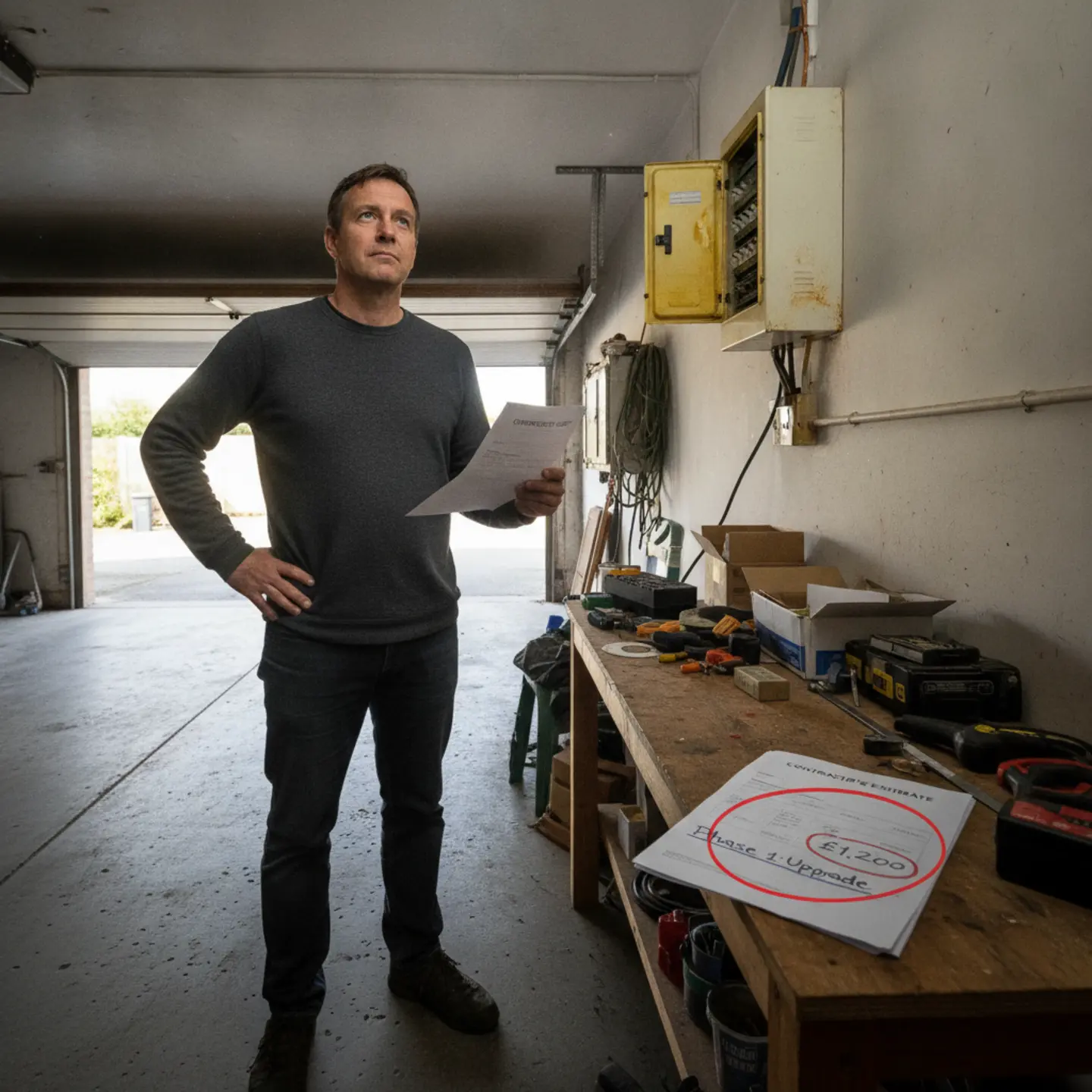
When two contractors quote the same job at $3,200 and $5,800 respectively, one of three things is happening: one quote omits mandatory code items, one includes legitimate escalators the other hasn’t identified yet, or one contractor is padding the bill. Understanding the real escalators helps you figure out which scenario you’re in.
💡 Ask for an Itemized Quote Before Committing
Request a detailed breakdown of labor, materials, permits, and any escalators — panel relocation, mast work, code upgrades. This prevents surprise costs mid-project and lets you compare quotes apples-to-apples across contractors.
| Escalator | Cost Addition | When It Applies |
|---|---|---|
| Outdoor emergency disconnect (NEC 230.85) | $1,000–$1,650 | Mandatory for all service upgrades since Sept 1, 2023 |
| Panel relocation (interior to exterior wall) | $1,000–$4,000 | When panel must move for code compliance or access |
| Overhead service / mast replacement | $500–$1,700 (mast alone); $5,800–$7,500 (full overhead upgrade) | Damaged or undersized mast; overhead service entrance work |
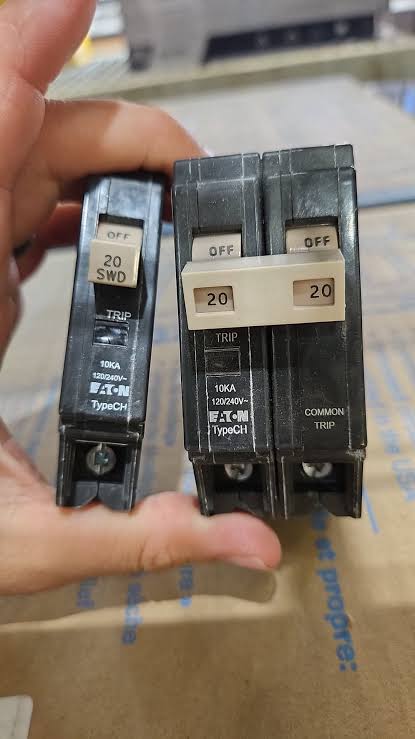
| AFCI breakers (30+ circuit panel) | $1,500–$2,700 | Required by 2023 NEC on most circuits; $50–$90 per breaker |
| Aluminum wiring remediation | $90–$110 per outlet/switch/fixture | Homes built 1960s–1970s; often bundled with panel replacement |
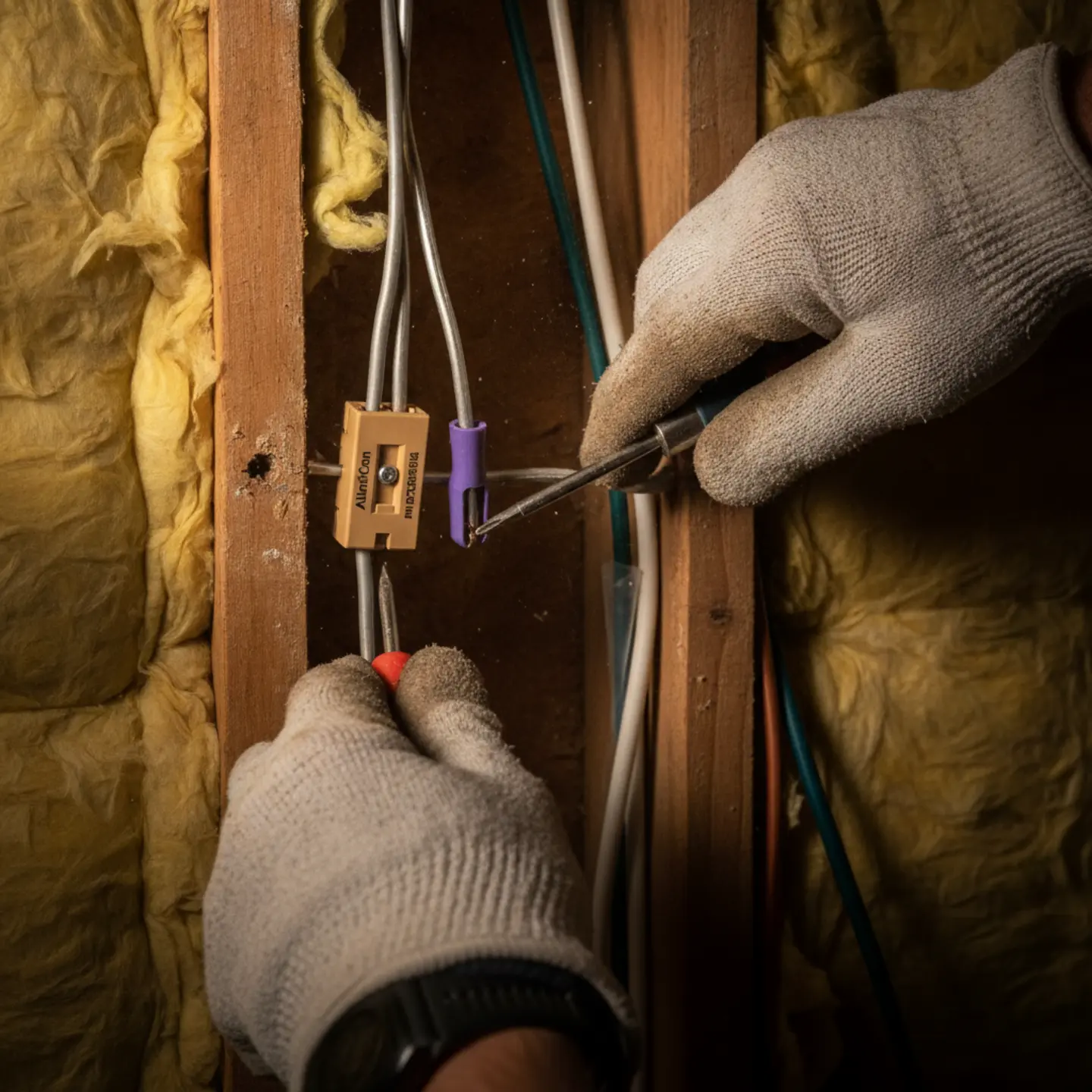
Aluminum wiring is common in DFW homes built during the 1960s and 1970s. It expands and contracts at a different rate than the devices it connects to, creating loose connections and heat buildup over time. When a panel replacement is quoted on a home from that era, aluminum wiring remediation is often part of the same project — and it should be itemized separately so you understand exactly what you’re paying for.
The outdoor emergency disconnect requirement under NEC 230.85 is the single biggest code-driven cost addition since 2023. It adds $1,000–$1,650 to every service upgrade project. That’s not a contractor markup — it’s hardware, labor, and permitting for a required exterior shutoff that allows firefighters to cut power to your home from outside. Any quote that doesn’t include it either predates 2023 or will add it back in when the permit is pulled.
Code Changes That Affect Your Quote: 2023 NEC in DFW
Texas adopted the 2023 National Electrical Code, and several of its requirements directly affect what goes into a panel replacement quote. These aren’t optional safety add-ons — they’re conditions for passing inspection. If a contractor’s quote doesn’t include them, the project either won’t pass or the items will be added back as change orders.
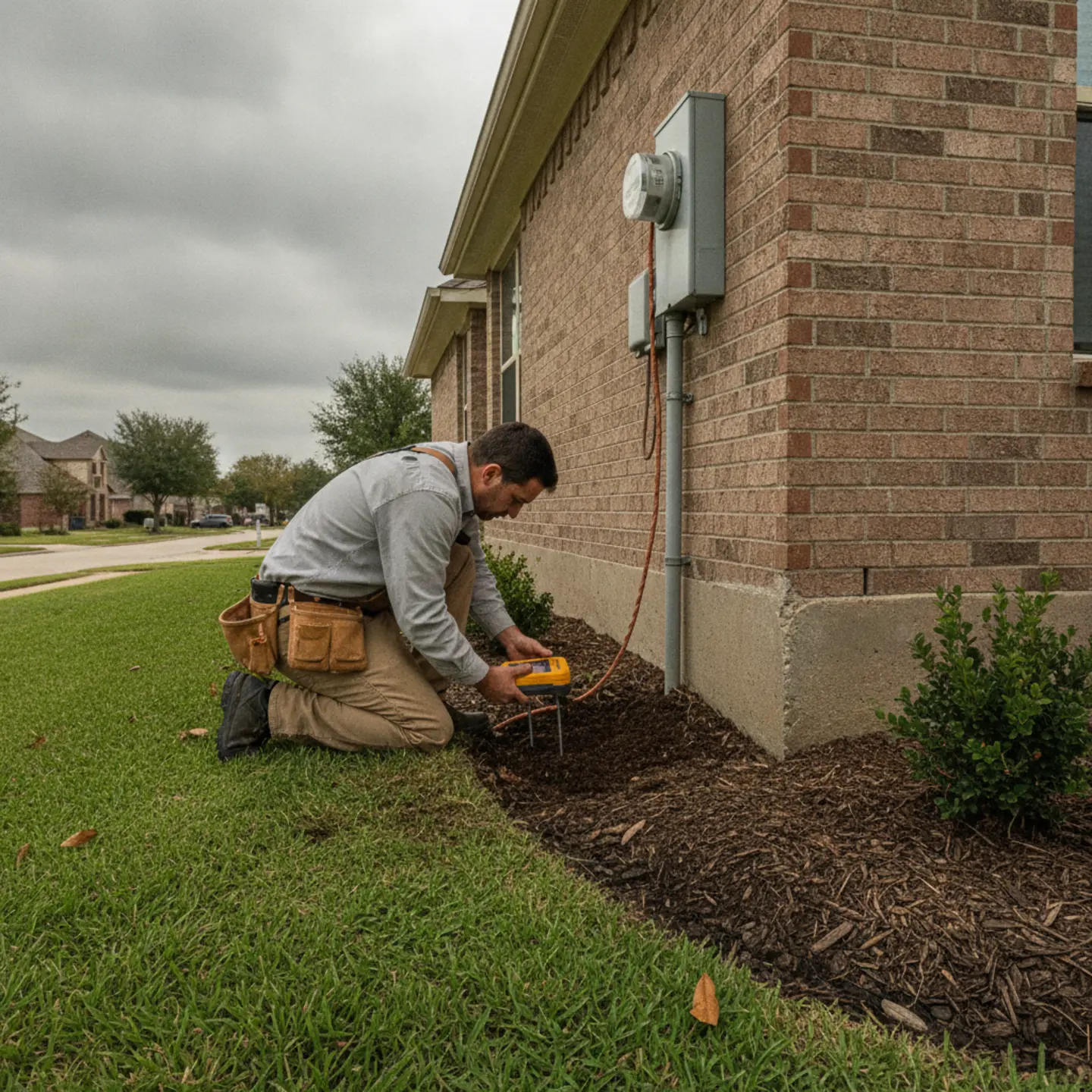
The outdoor emergency disconnect (NEC 230.85) became mandatory in Texas as of September 1, 2023, for new construction, service upgrades, and panel replacements. It’s a switch on your home’s exterior that lets emergency responders cut all power without entering the building. Whole-home surge protection has been required under the 2020 NEC for all new panel installations — it protects your appliances and electronics from lightning strikes and grid voltage spikes, which are a real concern in DFW’s severe weather environment. AFCI (arc-fault circuit interrupter) protection is required on most circuits in new construction and major renovations under the 2023 NEC, preventing the type of electrical arcing that starts fires inside walls.
ℹ️ You’re Not Alone in Feeling Confused About Panel Costs
Electrical pricing is notoriously opaque, and DFW contractors often don’t itemize escalators upfront. That’s why so many homeowners experience sticker shock. Understanding the code changes and legitimate cost drivers — like the new outdoor disconnect requirement — helps you budget accurately and spot real issues versus upsells.
Smoke detector requirements are another area where homeowners get confused. Texas requires interconnected smoke alarms in every bedroom, in hallways outside sleeping areas, and on every level of the home. For existing DFW homes not undergoing a major remodel, wireless smoke detectors are code-compliant for DFW retrofits — you don’t need to open walls to run hardwired interconnects. Hardwired systems are only required for new construction or renovations affecting more than 30% of the building area.
Every DFW municipality also has local amendments layered on top of the state NEC. Fort Worth, Arlington, and North Richland Hills each have their own Authority Having Jurisdiction (AHJ), and permit requirements can vary. A contractor who pulls permits in these cities daily — rather than occasionally — will know the local quirks before they become surprises on your project.
When You Need a Replacement vs. When You Need an Upgrade
Here’s the practical decision tree most DFW homeowners are actually navigating.
You likely need a replacement only if your panel is 25+ years old, breakers are failing or won’t reset, or your panel brand is Federal Pacific, Zinsco, or Challenger — but your current amperage is still adequate for your home’s actual electrical load. These panels need to come out regardless of capacity because their breakers are documented fire hazards. Many Texas insurers now refuse coverage or require replacement within 30 days on homes with these panels, making the decision more financial than optional.
You need an upgrade if your existing 100-amp service is genuinely insufficient for what you’re running. A licensed electrician performs a load calculation — adding up the demand of every circuit in your home. If that calculation pushes past 120–160 amps on a 100-amp panel, a 200-amp upgrade is necessary. Common triggers include a new HVAC system, a major kitchen renovation, a home addition, or planning for an EV charger installation. A Level 2 EV charger typically draws 30–50 amps on its own; a 100-amp panel running a full household load often can’t absorb that addition safely.
Real estate transactions create a third trigger. Home inspectors in DFW regularly flag Federal Pacific and Zinsco panels as material defects, and buyers frequently demand remediation before closing or negotiate price concessions of $5,000–$8,000 or more. Ungrounded outlets and false grounds are another common inspection finding — they don’t always require a panel upgrade, but they often surface alongside aging panels that do.
Future-proofing is a legitimate consideration too. A 200-amp panel is now the minimum standard for new homes and is strongly recommended for any home planning significant renovations, an EV charger, or a standby generator hookup. Doing it once at the right capacity is less expensive than upgrading twice.
Whole-Home Standby Generators: A Parallel Upgrade Decision
Panel upgrades and generator installations often happen together — and for good reason. After Winter Storm Uri knocked out power to 4.4 million Texas homes in February 2021, DFW homeowners learned firsthand what it costs to be without power for days. Demand for standby generators hasn’t dropped since.
A whole-home standby generator in DFW runs $13,000–$20,000+ installed, covering the unit, electrical hookup, up to 15 feet of fuel line, and permits. Epic Electrical’s base price is $14,000 for a turnkey installation. The project requires electrical permits, gas permits for the fuel line connection, and in some cases building permits depending on the unit size and placement. A reputable contractor handles all of that coordination — you shouldn’t be chasing permits yourself.
The panel connection matters here. If your existing 100-amp service is already running close to capacity, adding a generator transfer switch to that panel may not be feasible without upgrading to 200 amps first. A load calculation before the generator quote will tell you whether that’s necessary. Generac and Kohler are the leading brands for residential standby systems; manufacturer-certified installation is required to maintain warranty validity. For more on what’s involved, the whole-home generator installation page covers the full scope.
Why Epic Electrical Is the Right Choice for DFW Homeowners
When you’re spending $3,000–$5,500 on a panel replacement, the contractor you hire matters as much as the price. Epic Electrical is a father-and-son master electrician team — a third-generation electrical family that has been serving DFW since 2009. With 50+ years of combined experience between them, they’ve seen every panel configuration, every code quirk, and every escalator that shows up mid-project in Fort Worth, Arlington, North Richland Hills, and the surrounding cities.
Epic holds Texas Electrical Contractor License #33192. Every project is permitted and inspected by the local authority — no shortcuts, no unpermitted work that voids your homeowner’s insurance or creates problems at resale. The 140+ five-star Google reviews from DFW homeowners consistently cite the same thing: honest diagnosis, transparent pricing, and no pressure to do work that isn’t necessary. If a cheaper fix exists for your situation, you’ll hear about it before any work starts.
The full scope of panel-related work — replacement, outdoor disconnect installation, surge protection, AFCI breaker upgrades, aluminum wiring remediation, EV charger installation, and standby generator hookup — is all handled in-house. You’re not coordinating between multiple contractors. And because Epic pulls permits in Fort Worth, Arlington, and North Richland Hills regularly, they know the local AHJ requirements before the permit application goes in, which means your project passes inspection the first time. If you want to explore financing options for a larger project, residential project financing is available to help spread the cost.
Get a Free Estimate from Epic Electrical — honest diagnosis, itemized quote, no surprises.
Frequently Asked Questions: Electrical Panel Replacement and Upgrades in DFW
Is my electrical panel safe if it’s an old brand like Federal Pacific, Zinsco, or Challenger?
No. Federal Pacific (Stab-Lok) panels have documented breaker failure rates up to 60% in independent testing and are linked to an estimated 2,800 fires annually in the U.S. Zinsco panels present a different but equally serious hazard — their breakers can melt or fuse to the bus bar, failing to trip during a fault, meaning the panel can remain energized even when you think it’s off. Many Texas insurance companies now refuse coverage outright or require replacement within 30 days for homes with Federal Pacific or Zinsco panels. Immediate replacement is both a safety necessity and, increasingly, a financial one.
What exactly is an ‘outside emergency disconnect’ and why is it now required for electrical panel upgrades in DFW?
An outside emergency disconnect is a switch mounted on the exterior of your home that allows all electrical power to be shut off quickly — without anyone needing to enter the building. It became mandatory under NEC 230.85 as of September 1, 2023, for new construction, service upgrades, and panel replacements in Texas. The primary purpose is to give firefighters and emergency responders a safe way to cut power before entering a burning or flooded structure. It adds $1,000–$1,650 to your project cost and is non-negotiable for code compliance — any contractor who omits it from a post-2023 quote is either unaware of the requirement or hoping you won’t notice until the inspection fails.
Do I need to upgrade to 200 amps, or can I just replace my existing 100-amp panel?
It depends on your actual electrical load, not just your panel’s age. Most DFW homes built before 1990 have 100-amp service, which may still be adequate if you’re not adding major new loads. A licensed electrician performs a load calculation that totals the demand of every circuit in your home. If that calculation exceeds 120–160 amps on a 100-amp panel, a 200-amp upgrade is necessary. If you’re planning to add an EV charger, a new HVAC system, or significant renovations, a 200-amp upgrade is strongly recommended even if your current load technically fits — doing it once at the right capacity is less expensive than upgrading again in five years.
How much does it cost to relocate an electrical panel from inside my garage to an exterior wall?
Panel relocation typically adds $1,000–$4,000 to your project, depending on the distance the panel needs to move and the complexity of rerouting circuits and repairing walls afterward. This is a separate line item from the panel replacement itself and should always be clearly itemized in your quote. Some panel locations require relocation to meet current code — for example, panels installed in bathrooms or certain closet configurations may need to move regardless of your preference. Always ask upfront whether your panel’s current location requires relocation, because that single variable can meaningfully change your total project cost.
What makes Epic Electrical different from other electrical contractors in DFW?
Epic Electrical is a father-and-son master electrician team with 50+ years of combined experience, serving DFW since 2009 as a third-generation electrical family. They’re Texas-licensed (TECL #33192) and backed by 140+ five-star Google reviews from homeowners across Fort Worth, Arlington, North Richland Hills, and surrounding cities. Unlike contractors who bury escalators in fine print, Epic provides itemized quotes before any work begins — and if a cheaper fix exists for your situation, they’ll tell you. All permits and inspections are handled in-house, and every project is built to pass on the first inspection. Get a Free Estimate and find out exactly what your panel project requires.
Ready for an Honest Panel Replacement Quote in DFW?
Panel replacement pricing in DFW is confusing — and most quotes don’t explain why they cost what they cost. Epic Electrical gives you an itemized breakdown of every line item before work begins, so you know exactly what you’re paying for and why. No hidden escalators, no pressure, no surprises.
Whether you’re dealing with a hazardous Federal Pacific panel, planning a 200-amp upgrade for an EV charger, or just trying to understand a quote you already received — we’ll give you a straight answer.
Serving Fort Worth · Arlington · North Richland Hills · Keller · Colleyville · Hurst · Grapevine · Southlake · Bedford · and all of DFW
Pricing, equipment specifications, and project scope mentioned in this article are accurate as of the date of publication and are subject to change. Code requirements and permit needs vary by municipality and property. Please contact us directly for a current quote on your specific home or business.