- Wiring resistance losses cost real money — loose aluminum connections and undersized conductors create I²R heat losses and voltage drop that force appliances to draw 2–3% more energy per 1% of voltage loss, adding up to hundreds of dollars annually.
- Most pre-1990 DFW homes are running undersized panels — over 65% of North Richland Hills homes and 70% of Haltom City homes were built before 1980, often with 60–100 amp panels that can’t handle modern electrical loads efficiently.
- A 200-amp panel replacement in DFW typically costs $2,800–$4,500 — but mandatory code items like the outside emergency disconnect (NEC 230.85) and whole-home surge protection can push the total to $5,800+, which is why quotes vary so widely.
- Federal IRA tax credits can offset upgrade costs — a panel upgrade to 200 amps qualifies for up to $600 in federal tax credits, and bundling with a heat pump or EV charger can push total credits to $2,600 in a single tax year.
- Trust Epic Electrical for honest diagnosis, transparent pricing, and no-upsell electrical service in DFW — visit Epic Electrical’s homepage to learn more about the father-and-son team serving North Richland Hills and the Metroplex since 2009.
Can Electrical Problems Really Increase Your Electricity Bill?
Yes—old wiring, poor grounding, and undersized panels can significantly raise your electricity bills through resistance losses, voltage drop, and inefficient power distribution. Loose aluminum wire connections, undersized conductors, and aging panels force appliances to work harder, consuming more power to deliver the same output. These hidden inefficiencies can add hundreds of dollars to your annual energy costs.
Understanding which electrical issues are costing you money—and how much they cost to fix in the DFW area—helps you make informed decisions about upgrades and repairs.
Epic Electrical
Free Quote & Honest Diagnosis — No Upsells
Core Service Programs:
- Electrical Repairs, Wiring & Lighting for tripping breakers, faulty wiring, GFCI issues, and indoor/outdoor lighting
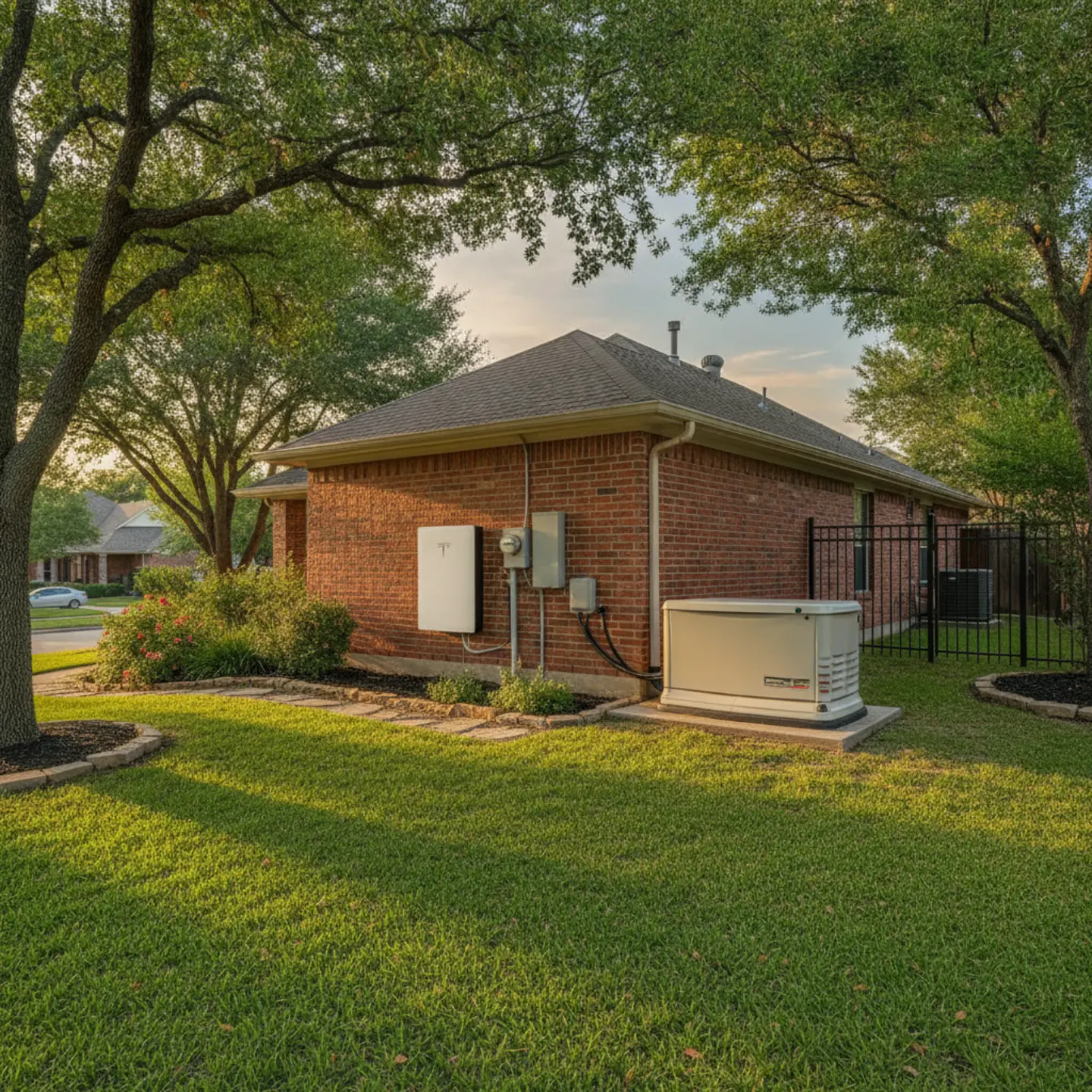
- EV Chargers, Generators & Panel Upgrades for Level 2 EV charging, whole-home generator installs, panel replacements, and surge protection
- Commercial, Warehouse & Industrial Electrical for restaurants, offices, industrial buildouts, LED retrofits, and dedicated circuits
Why Choose Epic Electrical:
- ✓ Trusted by customers with 140+ five-star Google reviews
- ✓ Father-and-son master electricians — a third-generation electrical family
- ✓ Serving North Richland Hills and the DFW Metroplex since 2009
- ✓ 50+ years of combined electrical experience on every job
- ✓ No upsells, no jargon, no pressure — we fix what’s actually broken
- ✓ Small repairs fixed same-visit; big jobs get a written quote with no hidden costs
- ✓ Texas-licensed electrical contractor (TECL #33192)
How Wiring Problems Waste Electricity and Raise Bills
When a connection loosens inside aluminum wiring—something that happens naturally as the metal expands and contracts with temperature changes—you get increased resistance at that junction. Resistance means heat, and heat means wasted energy. Electricians call this I²R loss: the current (I) squared, multiplied by the resistance (R), equals the power burned off as heat rather than doing useful work. That energy shows up on your bill as kilowatt-hours consumed, even though your lights and appliances aren’t doing anything extra.
Undersized conductors create a related but distinct problem: voltage drop. When wire gauge is too small for the load it carries, the voltage arriving at your appliances is lower than intended. Motors—in your HVAC unit, refrigerator, and dishwasher—compensate by drawing more current to maintain their output. The rule of thumb from electrical engineering: for every 1% of voltage drop, motor-driven appliances consume roughly 2–3% more energy. A home with chronic 5% voltage drop on key circuits could be running those appliances 10–15% less efficiently than they should be.
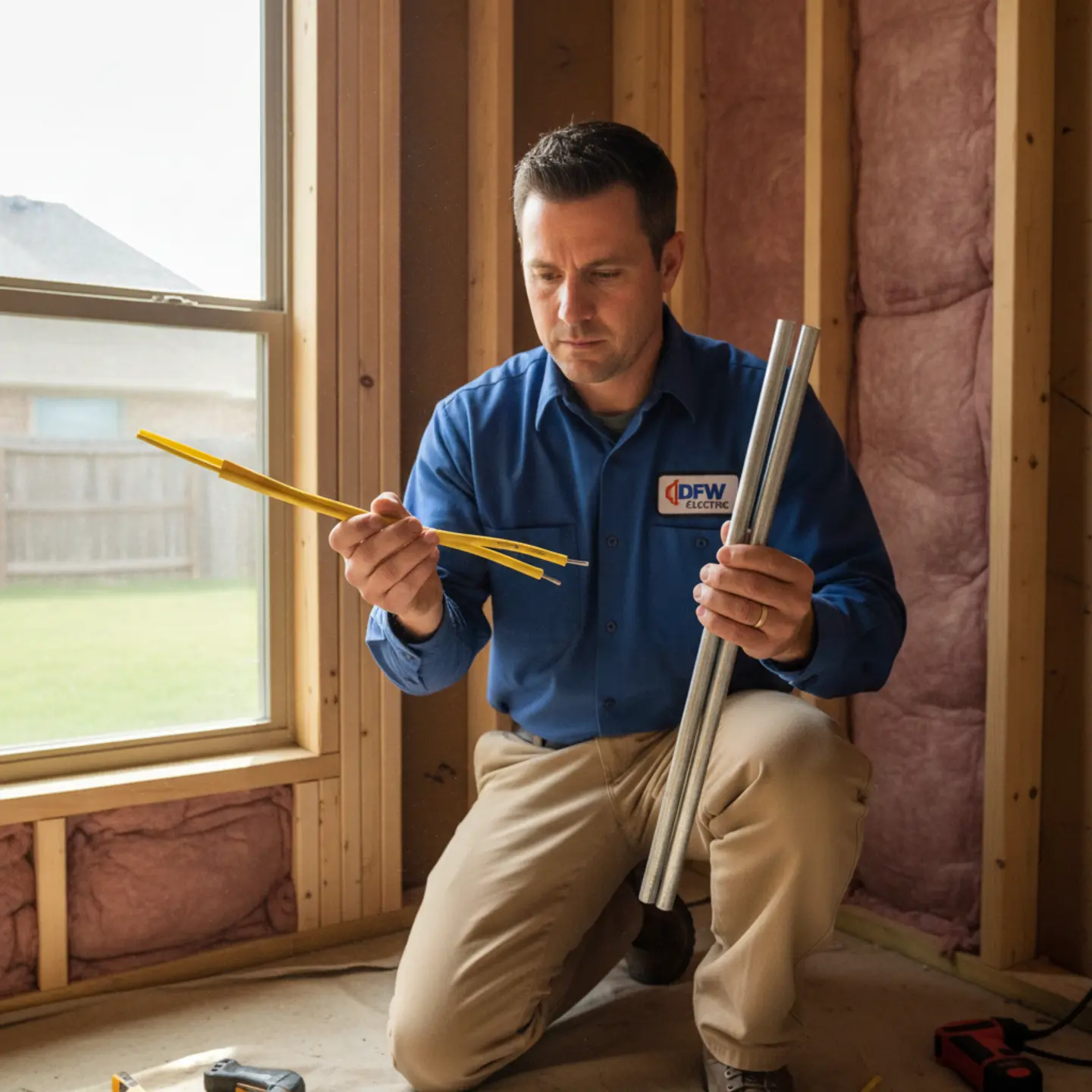
Damaged wire insulation and aging jacket materials add a third layer: minor current leakage that creates phantom loads over time. No single leakage point is dramatic, but across an older home’s entire wiring system, the cumulative effect is real. Electrical wiring repairs address all three of these mechanisms—loose connections, undersized conductors, and degraded insulation—before they compound into a larger problem.
ℹ️ You’re Not Alone—DFW’s Aging Housing Stock Is a Common Culprit
Over 65% of homes in North Richland Hills and 70% in Haltom City were built before 1980, often with 60–100 amp panels and aluminum wiring. If your home is from that era and your bills are climbing, electrical inefficiency is a real and common issue.
Grounding Defects and Their Impact on Energy Efficiency
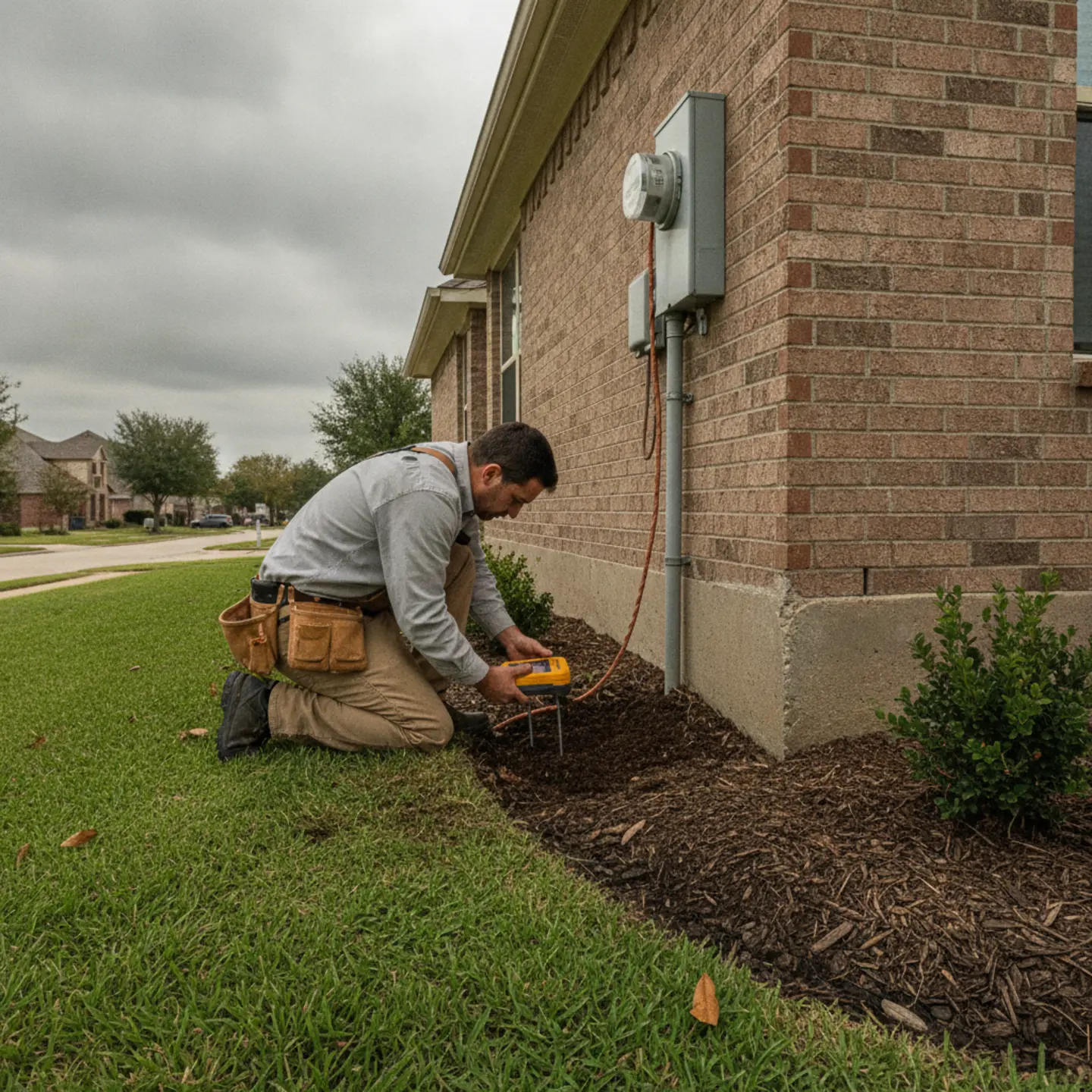
Here’s an honest clarification most contractors skip: improper grounding is primarily a safety hazard, not a direct energy-waster in the way faulty wiring is. The ground path exists to safely route fault current away from people and equipment—it’s not part of the normal current flow that powers your home. So a missing or broken ground won’t cause your meter to spin faster on its own.
That said, poor ground connections can create localized resistance and allow voltage fluctuations that stress sensitive appliances. When voltage isn’t stable, electronics and motors don’t run at their designed efficiency point. Over time, this contributes to what homeowners sometimes describe as “bill creep”—a slow, hard-to-pinpoint rise in consumption that doesn’t track with any obvious change in habits.
Ungrounded outlets—especially “false grounds” where someone installed a three-prong outlet on a two-wire circuit without GFCI protection—are particularly common in DFW homes built before 1970. These lack a proper return path for fault current, which creates both a shock hazard and conditions for inefficient current flow. If a home inspection has flagged ungrounded outlets in your home, you can learn more about what that means and what it costs to fix at our post on signs of bad grounding in DFW homes.
Undersized and Aging Electrical Panels: A Hidden Energy Drain
Most DFW homes built before 1990 were wired for 100-amp service—sometimes even 60-amp. That was adequate for the electrical loads of the era. Today’s homes run central air conditioning, multiple refrigerators, large-screen televisions, gaming systems, home offices, and increasingly, EV chargers. A 100-amp panel serving all of that isn’t just undersized; it’s operating near its capacity ceiling most of the time.
When circuits run near their rated capacity continuously, they generate more heat. The panel itself runs warmer. Breakers that trip repeatedly under load are doing their job, but frequent trips also signal that the system is stressed. Corroded connections inside an aging panel create internal resistance—minor energy losses, yes, but also elevated operating temperatures that accelerate further degradation of the panel components.
Federal Pacific and Zinsco panels, common in DFW mid-century homes, are a separate category of concern. Independent testing has documented Federal Pacific Stab-Lok breaker failure rates as high as 60%, with an estimated 2,800 FPE-related fires annually in the U.S. These panels aren’t just inefficient—they’re documented fire hazards. If your home has one, the conversation isn’t about energy savings; it’s about safety and insurance coverage. Our detailed guide on Federal Pacific panel replacement and 200-amp upgrades in DFW covers what’s involved and what it costs.
In the DFW summer, when ERCOT set 10 new all-time peak demand records in August 2023 alone, older panels in North Richland Hills, Haltom City, and Hurst are doing exactly what they were never designed to do: sustaining heavy air conditioning loads for weeks at a time. That sustained stress accelerates every inefficiency described above.
DFW Electrical Upgrade Costs: What You’ll Actually Pay
A standard 200-amp panel replacement in the Dallas-Fort Worth area typically runs $2,800–$4,500 in 2026. That range covers the new panel, meter base, upgraded grounding, labor, and permits—when the panel is already on an exterior wall and no additional code items are required.
In practice, most older DFW homes add at least one cost escalator. The most common is the outside emergency disconnect, now mandatory under NEC 230.85 for any panel replacement or service upgrade in Texas since September 2023. If your panel is on an interior wall or in a closet, adding this disconnect adds $1,000–$1,650 to the project. Panel relocation—moving the panel from an interior closet to an exterior wall—adds another $1,000–$4,000 depending on how much wire rerouting is involved.
Use the panel upgrade cost calculator to get a realistic estimate based on your home’s specific situation before you start calling contractors.
| Upgrade or Repair | Typical DFW Cost (2026) | Notes |
|---|---|---|
| 200-amp panel replacement (base) | $2,800–$4,500 | Panel on exterior wall, permits included |
| Outside emergency disconnect (NEC 230.85) | +$1,000–$1,650 | Required if panel is not on exterior wall |
| Panel relocation (interior to exterior) | +$1,000–$4,000 | Includes wire rerouting and drywall work |
| Mast work / overhead service upgrade | +$500–$1,700 | Varies by complexity |
| GFCI outlet (ungrounded circuit) | $150–$250 per outlet | Alternative: GFCI breaker at $150–$400/circuit |
| Full home rewiring (slab foundation) | $12,000–$25,000+ | Last resort; targeted repairs often more practical |
For homeowners weighing whether a full panel replacement makes sense, the page on residential electric panel replacement walks through the decision criteria in plain language.
Why Quotes Vary So Much—And How to Spot Hidden Costs
The most common source of quote confusion in DFW panel work is the “base price” problem. Some contractors advertise a $2,500 panel replacement, then present a final invoice that’s $4,500 or higher once mandatory code items are added. The outside disconnect, whole-home surge protection (required under NEC for service replacements), and AFCI breakers aren’t optional add-ons—they’re code requirements. A quote that omits them isn’t a better deal; it’s an incomplete quote.
Overhead service requiring mast work, underground service transitions, and city-specific code triggers like interconnected smoke detector requirements can all legitimately increase the final price. These are real escalators, not contractor tricks. The difference between a trustworthy contractor and a predatory one is whether these items are disclosed upfront or revealed after the work begins.
⚠️ Beware of ‘Lowball’ Estimates That Omit Code-Compliance Items
Some contractors quote a base panel replacement price, then add $1,000+ in ‘escalators’ (outside disconnect, surge protection, AFCI breakers) that are actually mandatory under current NEC code. Always ask upfront if the quote includes permits, outside disconnect, and whole-home surge protection.
Red flags to watch for: any contractor who says permits aren’t needed for a panel replacement (they always are in DFW), refuses to provide an itemized written quote, or can’t explain which NEC edition their work complies with. A licensed contractor who pulls permits is accountable to a city inspector—that accountability protects you.
If you’re concerned about the cost of a full upgrade, residential electrical project financing options are available to spread the cost over time without delaying necessary work.
Signs Your Electrical System Is Costing You Money
Unexplained electricity bill spikes—ones that don’t track with seasonal air conditioning use or obvious changes in habits—are the clearest signal that something in your electrical system deserves a closer look. Texas’s deregulated electricity market actually makes DFW homeowners more attuned to this than most: when you’re actively shopping retail providers and watching your per-kWh rate, an unexplained consumption increase stands out.
Physical warning signs are equally telling. Frequent breaker trips when you’re not running anything unusual, flickering lights throughout the house (not just one fixture), buzzing sounds from the panel, or outlet covers that feel warm to the touch all indicate resistance and energy waste happening inside your walls or panel. Appliances that seem to work harder than they should—an AC that cycles constantly without cooling effectively, a refrigerator that hums more than it used to—may be fighting voltage drop on their circuits.
For DFW homeowners who’ve already ruled out their retail electricity provider as the cause—checked their plan rate, confirmed no unusual usage spikes on their smart meter—the next logical step is an electrical inspection. Homes in North Richland Hills, Haltom City, Hurst, and Bedford with original 1960s–1970s wiring are particularly likely candidates.
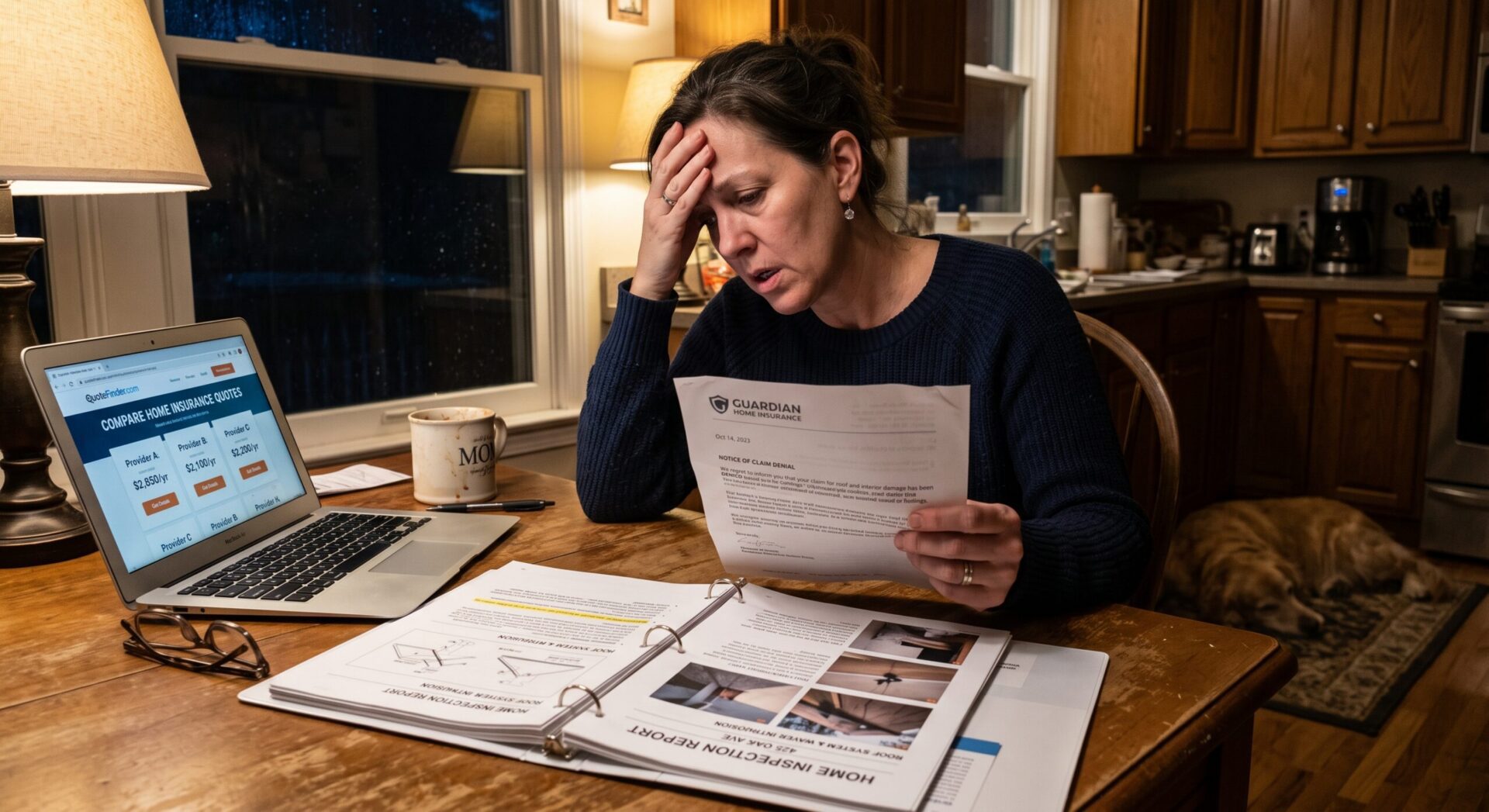
A home inspection that flags ungrounded outlets, aluminum wiring, or an outdated panel isn’t just a real estate issue—it’s a map of where your energy dollars are leaking. Our post on signs of home electrical problems and when to call an electrician covers the full checklist of symptoms worth investigating.
Federal and Local Incentives for Electrical Upgrades in DFW
The federal Inflation Reduction Act (IRA) offers a tax credit of up to $600 for electrical panel upgrades to 200 amps or greater—but only when the panel upgrade is installed in conjunction with other qualified energy-efficient equipment, such as a heat pump or EV charger. On its own, a panel replacement doesn’t qualify. Bundled with qualifying equipment, however, homeowners can claim up to $2,600 in total IRA tax credits in a single tax year.
💡 Bundle Your Panel Upgrade with Energy-Efficient Equipment to Maximize Tax Credits
The federal IRA offers up to $600 for a panel upgrade alone, but up to $2,600 total when you bundle it with a heat pump, EV charger, or other qualified equipment. Timing your upgrades strategically can significantly offset costs.
Oncor, the transmission and distribution utility serving most of DFW, offers energy efficiency programs primarily focused on HVAC systems and smart thermostats. Specific rebates for standalone panel or wiring upgrades are limited, but an upgrade that enables a new heat pump or EV charger installation may qualify indirectly through the equipment rebate.
On the code compliance side, DFW homeowners in existing homes benefit from one practical allowance: wireless interconnected smoke detectors are code-compliant under IRC R314.4 for existing homes in Dallas, Fort Worth, and Arlington. This avoids the cost of hardwired interconnection, which is only required for new construction or major renovations. It’s a meaningful cost difference when a panel upgrade triggers smoke detector requirements as part of bringing the overall system to current code.
Why Epic Electrical Is the Right Choice for DFW Homeowners Facing Rising Energy Bills
Epic Electrical’s father-and-son master electricians bring 50+ combined years of experience diagnosing energy-wasting electrical problems in DFW homes. That depth of experience matters when the goal is accurate diagnosis—not just identifying that something is wrong, but pinpointing whether the problem is a loose connection on one circuit, a voltage drop issue on a specific run, or a panel that genuinely needs replacement. The right answer saves you money. The wrong answer costs you thousands.
With 140+ five-star Google reviews, Epic Electrical has built its reputation in North Richland Hills and across the DFW Metroplex on one consistent principle: recommend the right fix, not the most expensive one. If a targeted repair solves your energy efficiency problem without a full panel replacement, that’s what you’ll hear. If a panel replacement is genuinely necessary—and sometimes it is—you’ll get a written, itemized quote that includes every code-required item upfront, with no surprises at the end.
As a Texas-licensed electrical contractor (TECL #33192) serving DFW since 2009, Epic Electrical pulls all permits, ensures full compliance with the 2023 NEC and local city amendments, and stands behind every job. You can read what DFW homeowners say about working with the team at the Epic Electrical testimonials page.
Get a Free Estimate from Epic Electrical today and discover exactly what’s raising your electricity bill—with no obligation or high-pressure sales.
Frequently Asked Questions
Can old or bad wiring really increase my electricity bill?
Yes, absolutely. Old or bad wiring increases your bill through several direct mechanisms: loose connections create resistance that generates heat and wastes energy, undersized wires cause voltage drop that forces appliances—especially motors—to draw more current to compensate, and degraded insulation allows minor current leakage that adds to consumption over time. These inefficiencies translate directly into higher kWh usage. A home with chronic wiring problems can easily consume hundreds of dollars more per year than a home with properly sized, well-connected wiring.
Does improper grounding affect electricity usage or my bill amount?
Improper grounding is primarily a safety risk—it’s not a direct energy-waster in the way resistance losses or voltage drop are. That said, poor ground connections can create localized resistance and allow voltage fluctuations that stress appliances, making them less efficient and contributing to gradual bill creep over time. While fixing a grounding problem alone won’t dramatically cut your bill, correct grounding ensures stable voltage and optimal system performance, protecting both your safety and your appliances’ efficiency. It’s also a code requirement, not an optional upgrade.
How can I tell if my electrical panel is causing energy waste or contributing to high bills?
An aging panel doesn’t waste energy the way faulty wiring does, but it’s often a symptom of a system that’s operating inefficiently overall. Watch for frequent breaker trips when you’re not running anything unusual, flickering lights throughout the house, a warm or hot panel cover, buzzing noises from the panel, or visible corrosion on the breakers or bus bars. These signs suggest the panel is undersized or failing, which forces circuits to operate near capacity and contributes to inefficient appliance operation. If your home has a Federal Pacific or Zinsco panel, the concern goes beyond efficiency—those are documented fire hazards.
Is aluminum wiring just a fire risk, or does it also make my electricity bill higher?
Aluminum wiring is primarily known as a fire hazard because it expands and contracts more than copper with temperature changes, causing connections to loosen over time and overheat. But that same mechanism—increased resistance at loose connections—directly contributes to energy waste as heat, meaning your system consumes more power than necessary to deliver the same usable electricity. So yes, older aluminum wiring can make your electricity bill higher in addition to being a serious safety concern. Our detailed breakdown of aluminum wiring safety in DFW homes covers both the safety and efficiency dimensions of this issue.
What makes Epic Electrical different from other DFW electrical contractors?
Epic Electrical’s father-and-son master electricians prioritize honest diagnosis over upselling—if a cheaper fix solves your problem, that’s what you’ll hear, not a pitch for a full panel replacement. With 140+ five-star Google reviews, 50+ combined years of experience, and TECL #33192 licensing, the team provides transparent, itemized pricing with no hidden costs and pulls all permits to ensure your work passes inspection. Epic Electrical has been serving North Richland Hills and the DFW Metroplex since 2009, and the reputation built over those years is grounded in one thing: fixing what’s actually broken. Get a Free Estimate from Epic Electrical and find out exactly what’s raising your electricity bill—with no obligation or high-pressure sales.
Find Out What’s Really Raising Your Electricity Bill in DFW
If your electricity bills are climbing and you’ve already ruled out your retail provider, the answer may be inside your walls or your panel. Epic Electrical’s father-and-son master electricians diagnose energy-wasting electrical problems honestly—and if a targeted repair solves it without a full upgrade, that’s exactly what we’ll recommend.
Get a transparent, itemized estimate with no hidden escalators and no pressure. We pull all permits, comply with current NEC code, and explain every line item before any work begins.
Serving Fort Worth, Arlington, North Richland Hills, Keller, Hurst, Euless, Bedford, Colleyville, Southlake, Grapevine, Lewisville, and all of DFW.
(682) 478-6088 | Fort Worth Electrician | Arlington Electrician | North Richland Hills Electrician
Pricing, equipment specifications, and project scope mentioned in this article are accurate as of the date of publication and are subject to change. Code requirements and permit needs vary by municipality and property. Please contact us directly for a current quote on your specific home or business.