
- 55x Higher Fire Risk — The CPSC determined that pre-1972 aluminum-wired homes are 55 times more likely to develop fire hazard conditions at connections than copper-wired homes.
- Two CPSC-Recognized Fixes Exist — COPALUM crimping and AlumiConn connectors are the only approved remediation methods; standard wire nuts are not an acceptable solution and leave fire hazards in place.
- Full Rewiring Is Rarely Necessary — Comprehensive remediation of all connections using CPSC-approved methods is a permanent, safe alternative that costs significantly less than a complete rewire.
- Insurance and Resale Value Are at Stake — Texas insurers increasingly impose 10–25%+ surcharges or refuse coverage for unaddressed aluminum wiring, and buyers routinely demand $5,000–$20,000+ in concessions at closing.
- Trust Epic Electrical for honest aluminum wiring diagnosis, CPSC-certified remediation, and 50+ years of DFW electrical expertise — visit Epic Electrical to protect your home and family.
Copper vs. Aluminum Wiring: Which Is Safer for Your DFW Home?
Copper wiring is significantly safer than aluminum for branch circuits, and homes with pre-1972 aluminum wiring are 55 times more likely to develop fire hazards at connections. If your DFW home was built between the mid-1960s and early 1970s, aluminum wiring may be a hidden fire risk that insurance companies increasingly refuse to cover without remediation. The good news: CPSC-recognized fixes like COPALUM crimping and AlumiConn connectors offer safe, permanent solutions without requiring a full rewire.
Understanding the differences, risks, and remediation options helps you make an informed decision about protecting your home and family.
Epic Electrical
Free Quote & Honest Diagnosis — No Upsells
Core Service Programs:
- Electrical Repairs, Wiring & Lighting for tripping breakers, faulty wiring, GFCI issues, and indoor/outdoor lighting
- EV Chargers, Generators & Panel Upgrades for Level 2 EV charging, whole-home generator installs, panel replacements, and surge protection
- Commercial, Warehouse & Industrial Electrical for restaurants, offices, industrial buildouts, LED retrofits, and dedicated circuits
Why Choose Epic Electrical:
- ✓ Trusted by customers with 123+ five-star Google reviews
- ✓ Father-and-son master electricians — a third-generation electrical family
- ✓ Serving North Richland Hills and the DFW Metroplex since 2009
- ✓ 50+ years of combined electrical experience on every job
- ✓ No upsells, no jargon, no pressure — we fix what’s actually broken
- ✓ Small repairs fixed same-visit; big jobs get a written quote with no hidden costs
- ✓ Texas-licensed electrical contractor (TECL #33192)
Why Aluminum Wiring Became a Fire Hazard in DFW Homes
During the mid-1960s copper shortage, builders across the country — including throughout the DFW suburbs — switched to aluminum branch circuit wiring as a cost-saving measure. It seemed like a reasonable trade-off at the time. Decades later, that decision has created a widespread safety problem that affects an estimated 20–30% of homes in older DFW neighborhoods.
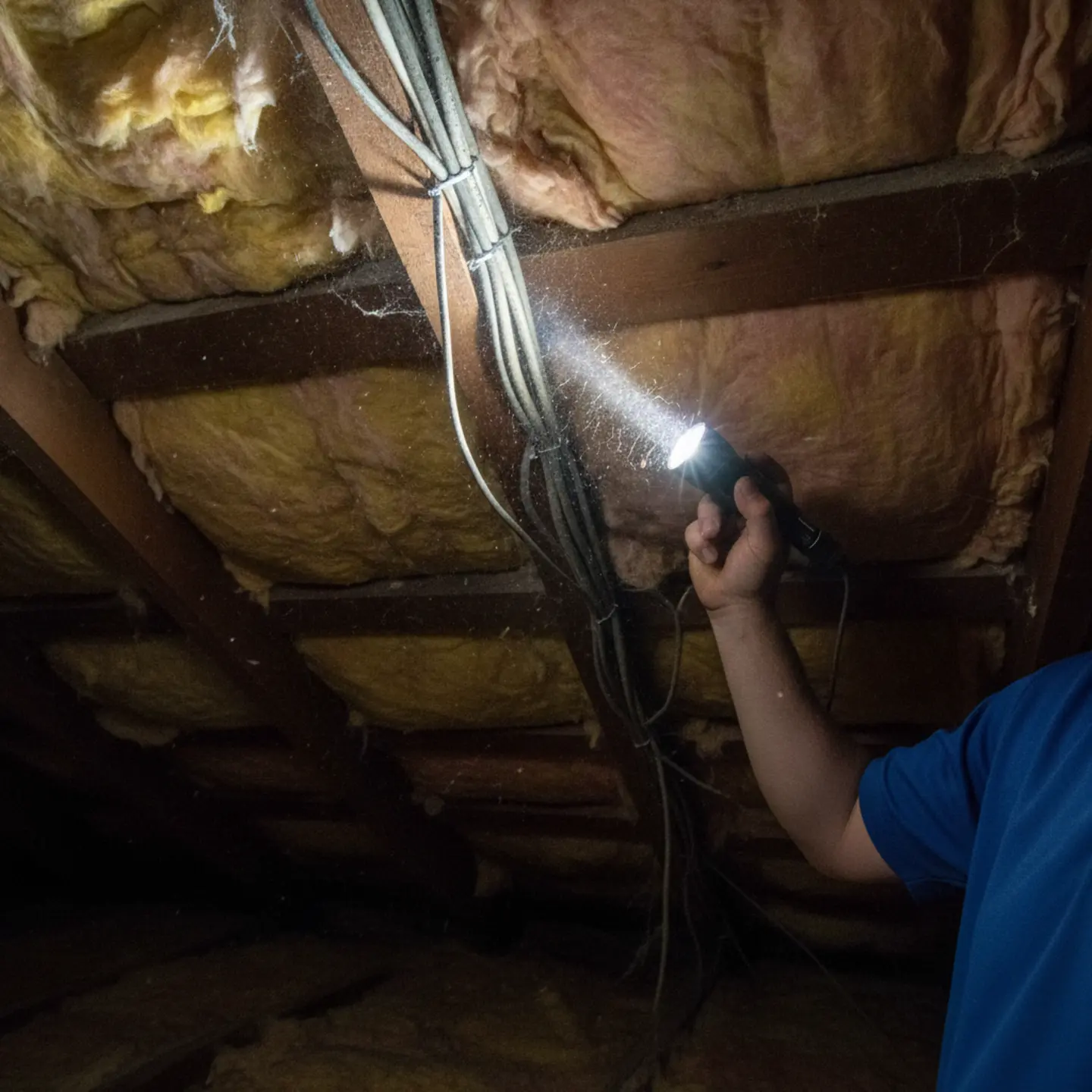
The core issue is chemistry and physics working against each other. Aluminum oxidizes when exposed to air, forming a corrosive layer at connection points that increases electrical resistance. More resistance means more heat. More heat means a higher risk of fire. Compounding this, aluminum has a higher coefficient of thermal expansion than copper — meaning it expands and contracts more dramatically with temperature changes. In DFW, where attics can hit 150°F in summer and temperatures swing wildly between seasons, this thermal cycling is relentless. Over decades, it loosens connections that were once tight, creating gaps where arcing and overheating can occur.
The U.S. Consumer Product Safety Commission (CPSC) studied this problem extensively and reached a clear conclusion: pre-1972 aluminum-wired homes are 55 times more likely to reach fire hazard conditions at connections than copper-wired homes (CPSC Publication 516, updated 2021). That’s not a minor statistical difference — it’s a fundamental safety gap.
DFW’s slab-on-grade construction — the dominant foundation type throughout Tarrant County — adds another layer of complexity. Wiring routed through or beneath concrete is extremely difficult to access or replace, which makes comprehensive remediation at accessible connection points even more critical for local homeowners.
ℹ️ You’re Not Alone — This Is a Common DFW Problem
An estimated 20–30% of homes in older DFW suburbs contain aluminum branch circuit wiring. If your home inspector flagged it or your insurance company mentioned it, you’re in good company. Thousands of DFW homeowners are addressing this issue right now, and the solutions are proven and affordable.
Copper vs. Aluminum Wiring: A Safety and Performance Comparison
Copper has been the standard for residential branch circuit wiring for good reason. It conducts electricity efficiently, generates less heat under load, and resists oxidation far better than aluminum. Copper connections remain stable for 50 years or more without special maintenance. Aluminum connections, by contrast, begin degrading within 10–20 years without proper remediation — and that degradation accelerates in DFW’s climate.
Insurance companies have taken note. Texas insurers increasingly treat pre-1972 aluminum wiring as a material defect, imposing annual surcharges of 10–25% or more, or refusing to issue or renew policies until remediation is completed. For homeowners selling in DFW, unaddressed aluminum wiring is a consistent red flag that triggers buyer demands for $5,000–$20,000+ in concessions or seller credits at closing.
| Factor | Copper Wiring | Aluminum Wiring (Pre-1972) |
|---|---|---|
| Oxidation Resistance | Excellent — minimal corrosion at connections | Poor — forms resistive oxide layer at terminations |
| Thermal Expansion | Low — connections remain stable over time | High — expands/contracts more, loosening connections |
| Connection Longevity | 50+ years with standard installation | 10–20 years before degradation without remediation |
| CPSC Fire Risk | Baseline reference standard | 55x more likely to reach fire hazard conditions |
| Insurance Impact | Standard coverage, no surcharges | 10–25%+ surcharges or policy refusal |
| Special Connectors Required | No — standard terminations | Yes — CPSC-recognized COPALUM or AlumiConn only |
| Upfront Material Cost | Higher than aluminum | Lower — but remediation adds long-term cost |
CPSC-Approved Remediation Methods: COPALUM vs. AlumiConn
The CPSC recognizes exactly two methods for safely remediating aluminum branch circuit wiring. Both work by creating a reliable copper-to-aluminum connection at every termination point — outlets, switches, light fixtures, and junction boxes throughout the home. Neither requires tearing out walls or replacing the aluminum conductors themselves, which is why comprehensive remediation costs far less than a full rewire.
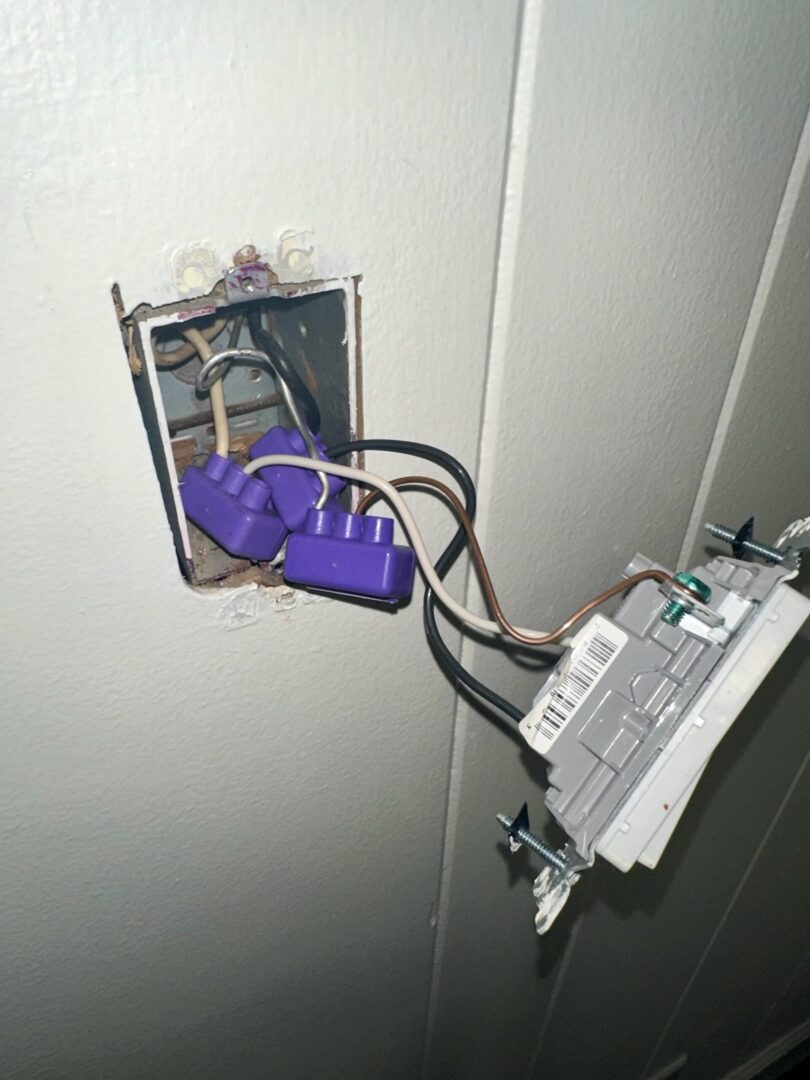
⚠️ Don’t Fall for Wire Nut ‘Fixes’
Standard wire nuts are not a CPSC-recognized solution for aluminum wiring and will not prevent future fire hazards. Only COPALUM crimping or AlumiConn connectors are approved by the CPSC and NEC. If a contractor suggests wire nuts as a fix, find another electrician immediately.
COPALUM Crimping: The Gold Standard
COPALUM crimping uses a specialized tool — manufactured by TE Connectivity and costing $10,000 or more — to create a permanent cold weld between a short copper pigtail and the existing aluminum wire. The resulting connection is stronger than the wire itself and is considered the most reliable long-term solution available. Because the tool requires factory training and certification, only a small number of electricians in DFW are qualified to perform this method. That specialization drives up cost, but it also delivers the highest confidence in long-term safety.
AlumiConn Connectors: The Practical Alternative
AlumiConn connectors are small, UL-listed lugs manufactured by King Innovation that allow aluminum and copper wires to connect securely without crimping equipment. They’re more widely available and generally less expensive than COPALUM because they don’t require proprietary tools. That said, installation must be meticulous — following manufacturer specifications precisely — and must be performed by a qualified electrician. When installed correctly, AlumiConn connectors fully meet CPSC and 2023 NEC standards. They’re a legitimate, proven solution for homeowners where COPALUM-certified electricians aren’t available or where budget is a primary concern.
For a deeper look at what aluminum wiring remediation involves and how pigtailing works in practice, our guide on pigtailing aluminum wiring costs in Fort Worth walks through the process in detail.
DFW Costs for Aluminum Wiring Remediation and Full Rewiring
Cost varies significantly based on home size, foundation type, attic access, and panel condition. The ranges below reflect 2026 DFW market pricing from licensed contractors.
| Scope of Work | Small Home (<1,500 sq ft) | Mid-Size Home (1,500–2,500 sq ft) | Large/Complex Home (>2,500 sq ft) |
|---|---|---|---|
| COPALUM / AlumiConn Remediation | $3,000 – $6,000 | $6,000 – $12,000 | $12,000 – $20,000+ |
| Full Copper Rewire | $10,000 – $20,000 | $20,000 – $40,000 | $40,000 – $80,000+ |
| Panel Upgrade (if needed) | Add $2,000 – $4,000+ | ||
| Drywall Repair / Painting | Add $1,000 – $5,000+ (typically separate contractor) | ||
| Municipal Permit Fees | $100 – $500+ depending on municipality | ||
Slab-on-grade foundations — the norm throughout much of North Richland Hills and Tarrant County — significantly increase costs when wiring runs under concrete. Pier-and-beam homes allow crawl space access, making the work less invasive. Attic work in DFW summers can also command a premium, since attic temperatures regularly exceed 150°F, slowing labor and requiring more frequent breaks. If your panel is an older Federal Pacific or Zinsco unit, an electric panel replacement may be required as part of the project — factor that into your budget planning.
💡 Remediation Often Pays for Itself Through Insurance Savings
Homeowners with unaddressed aluminum wiring often pay $100–$500+ annually in insurance surcharges or face policy cancellation. Over 5–10 years, remediation costs can be offset by avoided surcharges and improved home resale value, making proactive action a smart financial decision.
If upfront cost is a concern, financing options are available. Our residential electrical project financing guide covers home equity, personal loans, and contractor financing plans — including 0% APR options for qualified applicants.
Insurance, Permits, and Regulatory Requirements in North Richland Hills and Tarrant County
Every major electrical project in North Richland Hills and Tarrant County requires a municipal permit and a final inspection by a licensed city electrical inspector. This isn’t optional — it’s the mechanism that ensures the work is done correctly and protects you legally. Any contractor who tells you permits aren’t needed for aluminum wiring remediation is a contractor to avoid.
Your electrician must hold an active Texas Electrical Contractor License (TECL) issued by the Texas Department of Licensing and Regulation (TDLR). You can verify any contractor’s license and check for disciplinary actions at tdlr.texas.gov/LicenseSearch. Licensed contractors are also required to carry general liability insurance with a minimum of $300,000 per occurrence — always request a current certificate of insurance before work begins.
Texas adopted the 2023 National Electrical Code (NEC), effective September 1, 2023. This edition mandates CPSC-recognized remediation methods — COPALUM or AlumiConn — for aluminum wiring. Wire nuts alone do not meet code.
On the insurance side, Texas homeowners with unaddressed pre-1972 aluminum wiring face real consequences. Many insurers impose annual surcharges of 10–25% or more, and some will refuse to issue or renew a policy until remediation is documented. When selling your home in Texas, aluminum wiring must be disclosed as a material defect on the Seller’s Disclosure Notice — buyers and lenders routinely require remediation before closing. Addressing the problem proactively puts you in control of the timeline and the cost.
For a broader look at what electrical safety inspections cover in this area, our electrical safety inspection guide for Fort Worth homeowners is a useful reference.
How to Choose a Qualified Electrician for Aluminum Wiring Remediation in DFW
Not every licensed electrician has the specific training and equipment for CPSC-recognized aluminum wiring remediation. The COPALUM crimping tool alone costs over $10,000 and requires factory certification — which means a meaningful number of general electricians simply can’t perform this method correctly. Here’s how to vet contractors before you hire.
Questions to ask every contractor:
- Can you show me your active TECL license number and a current certificate of general liability insurance?
- Are you factory-trained and certified for COPALUM crimping, or do you use AlumiConn connectors? Can you explain the difference?
- Will you provide a detailed, itemized written estimate covering parts, labor, permit fees, and any additional work?
- Will you pull all required municipal permits and schedule a city inspection upon completion?
- Can you provide references from previous aluminum wiring remediation clients?
Red flags that should send you elsewhere:
- Claims that aluminum wiring “isn’t really a problem” or doesn’t need to be fixed
- Offers wire nuts as the solution
- Refuses to provide a written estimate or proof of licensing
- Claims permits aren’t required for this type of work
- Proposes remediating only some connections — the CPSC is explicit that all connections must be addressed
- Uses high-pressure tactics or pushes for same-day decisions on a project of this scope
Get 2–3 quotes from different licensed contractors. Check Google reviews, NextDoor referrals, and ask your home inspector for recommendations — inspectors see this issue regularly and often know which local electricians handle it well. Our post on aluminum wiring safety in DFW covers additional context that can help you ask better questions during those conversations.
Why Epic Electrical Is the Right Choice for Aluminum Wiring Safety Upgrades in DFW
Epic Electrical is a father-and-son master electrician team — a third-generation electrical family — with 50+ years of combined experience serving the DFW area since 2009. When you call us about aluminum wiring, you’re talking to master electricians who have seen this problem in hundreds of DFW homes, not a call center routing you to whoever is available.
We hold an active Texas Electrical Contractor License (TECL #33192) and carry full general liability insurance. Our team is trained and certified in both CPSC-recognized remediation methods — COPALUM crimping and AlumiConn installation — so we can recommend the right approach for your specific home, not just the one that’s most convenient for us. If there’s a more affordable solution that meets safety standards, we’ll tell you. That’s not a sales pitch; it’s just how we operate.
Our 123+ five-star Google reviews reflect what homeowners consistently say about working with us: honest diagnosis, clear communication, no surprise charges, and work that passes inspection the first time. We serve North Richland Hills, Fort Worth, Arlington, Colleyville, and communities throughout the DFW Metroplex. You can read what our customers say on our testimonials page.
Contact Epic Electrical today for a free, no-obligation estimate on aluminum wiring remediation or any electrical safety upgrade — we’ll give you a straight answer about what your home actually needs.
Frequently Asked Questions: Copper vs. Aluminum Wiring Safety Upgrades
Is COPALUM or AlumiConn truly a safe, long-term fix for aluminum wiring, or will I eventually need a full rewire?
Yes — both COPALUM crimping and AlumiConn connectors are CPSC-recognized and NEC-compliant permanent solutions when installed by certified electricians. They address the fire hazard at termination points, which is where aluminum wiring failures actually occur. A full rewire is only necessary if the aluminum conductors themselves are physically damaged throughout the walls, which is uncommon. For the vast majority of DFW homeowners, comprehensive connection remediation is a complete, lasting fix.
Does Texas homeowner’s insurance cover homes with aluminum wiring, or will my policy be canceled or surcharged?
Many Texas insurers impose significant annual surcharges — often 10–25% or more — or refuse to issue or renew policies for homes with unaddressed pre-1972 aluminum wiring. Some will request proof of remediation during policy renewal. Completing CPSC-recognized remediation by a licensed electrician typically resolves these issues, allowing you to secure standard coverage and potentially reduce your annual premiums. Over 5–10 years, the insurance savings alone can offset a meaningful portion of remediation costs.
What are the warning signs that my aluminum wiring connections are deteriorating before a failure occurs?
Common warning signs include flickering lights, warm switch or outlet cover plates, unusual buzzing or crackling sounds from outlets, strange burning-plastic odors, and circuits that trip frequently without an obvious cause. If you notice any of these, contact a licensed electrician immediately for inspection. Unfortunately, aluminum wiring deterioration often happens inside walls at connection points — invisible until a failure occurs — which is why professional evaluation is essential even when no obvious symptoms exist.
Is partial remediation acceptable for aluminum wiring, or do I need to address every connection in my home?
The CPSC is explicit on this point: all aluminum branch circuit connections must be addressed using CPSC-recognized methods for the remediation to be considered safe. Fixing only some connections leaves remaining fire hazards in place and does not satisfy insurance requirements or code compliance. You do not need a full rewire — comprehensive remediation of all connections using COPALUM or AlumiConn is a permanent, safe, and more affordable alternative. Any contractor who proposes “partial” remediation is not following CPSC guidance.
What makes Epic Electrical different from other electrical contractors for aluminum wiring remediation?
Epic Electrical is a father-and-son master electrician team with 50+ years of combined experience, TECL-licensed (TECL #33192), and factory-trained in both CPSC-recognized remediation methods — COPALUM crimping and AlumiConn installation. We’re known for honest diagnosis with no upsells: if there’s a more affordable fix that meets safety standards, we’ll tell you. With 123+ five-star Google reviews, our reputation is built on transparency, expertise, and treating every home like our own. Get a free estimate from Epic Electrical to see how we can protect your family and home value.
Ready to Protect Your DFW Home from Aluminum Wiring Fire Hazards?
If your home was built between the mid-1960s and early 1970s, aluminum wiring may be a hidden risk your family is living with right now. The good news: proven, affordable solutions exist — and you don’t need a full rewire to fix it safely. Epic Electrical’s certified master electricians serve North Richland Hills, Fort Worth, Arlington, and communities throughout DFW with honest diagnosis, no-pressure estimates, and CPSC-recognized remediation methods.
Get straight answers about what your home actually needs — no upsells, no scare tactics, just expert guidance from a team that’s been protecting DFW homes since 2009.
Serving Fort Worth, North Richland Hills, Arlington, Keller, Colleyville, Southlake, Grapevine, Lewisville, and all of DFW.
Pricing, equipment specifications, and project scope mentioned in this article are accurate as of the date of publication and are subject to change. Code requirements and permit needs vary by municipality and property. Please contact us directly for a current quote on your specific home or business.