Key Takeaways
- AlumiConn is CPSC-approved and cost-effective — At $3,000–$12,000 for whole-house remediation, AlumiConn connectors deliver the same safety level as a full rewire at a fraction of the cost ($15,000–$70,000+).
- Aluminum-wired homes face a 55x higher fire risk — The CPSC found that homes wired with aluminum branch circuits from 1965–1973 are 55 times more likely to have fire-hazard conditions at connections than copper-wired homes.
- CO/ALR devices alone are not enough — CO/ALR-rated outlets and switches only address the device terminal, not splices in junction boxes or attic connections. Texas insurers typically require full CPSC-approved pigtailing for coverage.
- Permits and a Certification of Remediation letter are non-negotiable — All DFW municipalities require an electrical permit for AlumiConn installation, and your insurance company will require a formal certification letter before binding or renewing your policy.
- Trust Epic Electrical for honest, no-pressure aluminum wiring remediation in DFW — father-and-son master electricians with 50+ years of combined experience and 123+ five-star Google reviews — visit Epic Electrical to learn how we protect your home.
AlumiConn vs. Other Connectors: Which Method Is Best for Fixing Aluminum Wiring in Your DFW Home?
AlumiConn connectors are the most widely adopted, CPSC-approved, and cost-effective method for safely remediating aluminum wiring in DFW homes. They splice aluminum wires to copper pigtails using a mechanical set-screw design, achieving the same safety level as a full rewire at a fraction of the cost ($3,000–$12,000 vs. $15,000–$70,000+). While COPALUM crimp connectors and CO/ALR-rated devices are also approved options, AlumiConn offers the best balance of safety, ease of installation, and affordability for residential branch circuits.
Understanding the differences between these remediation methods—and why one stands out for most DFW homeowners—is essential before you commit to a contractor or spend thousands on your home’s electrical safety.
Epic Electrical
Free Quote & Honest Diagnosis — No Upsells
Core Service Programs:
- Electrical Repairs, Wiring & Lighting for tripping breakers, faulty wiring, GFCI issues, and indoor/outdoor lighting
- EV Chargers, Generators & Panel Upgrades for Level 2 EV charging, whole-home generator installs, panel replacements, and surge protection
- Commercial, Warehouse & Industrial Electrical for restaurants, offices, industrial buildouts, LED retrofits, and dedicated circuits
Why Choose Epic Electrical:
- ✓ Trusted by customers with 123+ five-star Google reviews
- ✓ Father-and-son master electricians — a third-generation electrical family
- ✓ Serving North Richland Hills and the DFW Metroplex since 2009
- ✓ 50+ years of combined electrical experience on every job
- ✓ No upsells, no jargon, no pressure — we fix what’s actually broken
- ✓ Small repairs fixed same-visit; big jobs get a written quote with no hidden costs
- ✓ Texas-licensed electrical contractor (TECL #33192)
Why Aluminum Wiring Is a Fire Hazard (And Why It Matters in DFW)
If your DFW home was built between 1965 and 1973, there’s a real chance it was wired with aluminum branch circuit wiring. During that era, copper prices spiked and builders turned to aluminum as a cheaper alternative. The problem? Aluminum expands and contracts at a different rate than copper, causing connections to loosen over time. Loose connections arc. Arcing causes fires.
The U.S. Consumer Product Safety Commission put a hard number on that risk: homes with aluminum branch circuit wiring from that era are 55 times more likely to have fire-hazard conditions at connections than copper-wired homes (CPSC Publication No. 516, 2011). That’s not a rounding error—it’s a fundamental safety gap that demands attention.
The DFW metroplex grew explosively during the 1960s and early 1970s. An estimated 20–40% of DFW’s existing housing stock was built during the aluminum wiring era, meaning tens of thousands of local homes—in Fort Worth, Arlington, Garland, Plano, and surrounding communities—still carry this risk today. If your home was built then and you’ve just discovered aluminum wiring, you’re far from alone.
Beyond the fire risk, the practical consequences are immediate. Most major Texas homeowners insurance carriers—State Farm, Allstate, Farmers, USAA, Nationwide—now require CPSC-approved remediation before binding a new policy or renewing an existing one on an aluminum-wired home. If you’re selling, aluminum wiring discovered during a home inspection can kill a deal or expose you to legal liability under the Texas Deceptive Trade Practices Act (DTPA) if it was undisclosed. The pressure to act is real, and it’s coming from multiple directions at once.
ℹ️ You’re Not Alone—Thousands of DFW Homes Have This Problem
An estimated 20–40% of DFW’s housing stock was built during the aluminum wiring era (1965–1973). If your home was built then and you’ve just discovered aluminum wiring, you’re in good company—and there’s a proven, affordable solution.
AlumiConn Connectors: How They Work and Why They’re CPSC-Approved
AlumiConn is a mechanical set-screw connector made by King Innovation. The concept is straightforward: rather than replacing all your aluminum wiring (an enormously expensive undertaking), a licensed electrician splices each aluminum wire to a short copper “pigtail” wire using an AlumiConn connector. That copper pigtail then connects to your outlet, switch, or light fixture—the way it should have been wired from the start.
What makes AlumiConn different from ordinary wire connectors is in the details. Each wire gets its own independent port, torqued to manufacturer specifications. The connector comes pre-filled with anti-oxidant compound, which prevents the corrosion that causes aluminum connections to degrade over time. The result is a stable, low-resistance connection that doesn’t loosen with thermal cycling.
The credentials are solid. AlumiConn carries a UL 486C listing—the UL standard for splicing wire connectors—certifying it has been rigorously tested for safety and durability in aluminum-to-copper applications. The CPSC officially endorses it as one of two permanent, safe, and effective remediation methods for aluminum branch circuit wiring. For most DFW residential homes, it’s the go-to solution.
Whole-house AlumiConn remediation in DFW typically costs $3,000–$12,000, depending on home size. A 1,000 sq ft home runs roughly $3,000–$5,500; a 2,500 sq ft home can reach $7,500–$12,000+. These figures include labor and connectors but exclude permit fees and any panel work that may be needed. For context, a full rewire of the same homes runs $15,000–$70,000+—and that doesn’t include drywall repair or painting.
This work must be performed by a licensed Texas Electrical Contractor who pulls the required city permit and schedules a city inspection. Skipping that step isn’t just illegal—it voids your insurance and leaves you without the documentation your insurer will require.
💡 Pro Tip: Get the Certification Letter in Writing
After remediation is complete, always request a formal “Certification of Remediation” letter from your contractor. This document is required by insurance companies and proves the work was done to code and passed city inspection. Without it, your insurer may deny coverage.
The Installation Process: What to Expect
The process is methodical but not disruptive. Your electrician opens each electrical device location—every outlet, switch, and light fixture where aluminum wire terminates. The aluminum wire is spliced to a copper pigtail using the AlumiConn connector, torqued to spec, and the device is reinstalled. No walls are opened. No drywall is cut. The work is permitted through your local city (Fort Worth, Arlington, Plano, Garland, or whichever municipality applies) and inspected by a city electrical inspector before the permit closes. When it’s done, you receive a formal Certification of Remediation letter for your insurance company.
COPALUM Crimp Connectors: The ‘Gold Standard’ Alternative
COPALUM, manufactured by TE Connectivity, takes a different approach. Instead of a mechanical set-screw, it uses a specialized cold-weld crimping tool to create a metallurgical bond between aluminum and copper wires—a permanent, gas-tight connection that some in the industry call the “gold standard” for aluminum wiring remediation.
COPALUM is also UL Listed and CPSC-approved, and when installed correctly, it achieves the same safety outcome as AlumiConn. The CPSC endorses both methods equally. So why isn’t COPALUM the universal choice? Two reasons: cost and availability. The crimping tool required is expensive and specialized, and technicians must complete factory training before using it. That combination makes COPALUM less common and more costly for residential branch circuit work. You’re more likely to encounter it in commercial or critical-infrastructure applications where the extra investment is justified.
For most DFW homeowners, COPALUM offers no safety advantage over AlumiConn—just a higher price tag and longer scheduling lead times. If a contractor is pushing COPALUM for your single-family home without a clear reason, it’s worth asking why.
CO/ALR-Rated Devices: A Partial Solution, Not a Complete Fix
CO/ALR stands for Copper/Aluminum Revised. These are outlets and switches specifically designed with terminals that accommodate aluminum wiring’s properties—they’re UL Listed for direct aluminum connection and safe when properly installed and torqued.
Here’s the important limitation: CO/ALR devices only address the connection at the device itself. They do nothing for splices inside junction boxes, connections in the attic, or any other interior connection points throughout your home’s wiring system. Aluminum wiring doesn’t just terminate at outlets and switches—it runs through junction boxes and splice points that CO/ALR devices can’t reach.
The CPSC is clear on this: comprehensive pigtailing with AlumiConn or COPALUM is the recommended approach for the entire system. CO/ALR devices used alone don’t satisfy that standard. More practically, most Texas insurance carriers require full CPSC-approved remediation—meaning pigtailing—to satisfy coverage requirements. CO/ALR devices alone typically won’t get you there. They can be a useful part of a complete remediation (replacing devices at the same time pigtailing is done), but they’re not a standalone solution.
If you want to understand more about how copper and aluminum wiring compare in terms of long-term safety, the copper vs. aluminum wiring safety guide for DFW homeowners breaks it down in plain terms.
AlumiConn vs. COPALUM vs. CO/ALR vs. Full Rewire: Cost and Safety Comparison
| Method | CPSC-Approved | Addresses All Connection Points | Typical DFW Cost (Whole House) | Availability | Best For |
|---|---|---|---|---|---|
| AlumiConn (Pigtailing) | ✅ Yes | ✅ Yes | $3,000–$12,000 | Widely available | Most DFW residential homes |
| COPALUM (Crimp) | ✅ Yes | ✅ Yes | Higher than AlumiConn | Specialized; less common | Commercial / critical applications |
| CO/ALR Devices Only | ⚠️ Partial | ❌ No (devices only) | Varies; lower upfront | Available | Supplement to pigtailing only |
| Full Rewire | ✅ Yes (eliminates aluminum) | ✅ Yes | $15,000–$70,000+ | Available | Severely outdated or damaged systems |
The math is straightforward for most homeowners. AlumiConn delivers equivalent safety to a full rewire at 20–30% of the cost. COPALUM matches it on safety but costs more with fewer contractors available. CO/ALR devices are a partial measure that won’t satisfy your insurer on their own. A full rewire makes sense only when the electrical system has deeper problems beyond the aluminum wiring itself—an outdated panel, severely damaged wiring, or a home that needs a complete electrical overhaul.
Speaking of panels: during any remediation project, your electrician may discover an outdated panel—Federal Pacific Electric or Zinsco panels are common in homes of this era and carry their own safety concerns. A panel replacement adds $2,800–$9,500+ to the project but may be necessary if the panel is unsafe regardless of the wiring remediation.
DFW homeowners should also factor in permit fees, which vary by municipality but typically run $75–$250. These are mandatory—not optional—and the city inspection that follows is what closes the permit and validates your Certification of Remediation letter for insurance purposes.
Red Flags: What NOT to Do When Fixing Aluminum Wiring
The aluminum wiring remediation space attracts some bad actors. Knowing what to watch for protects you from wasted money, voided insurance, and—most critically—a fire hazard that’s worse than what you started with.
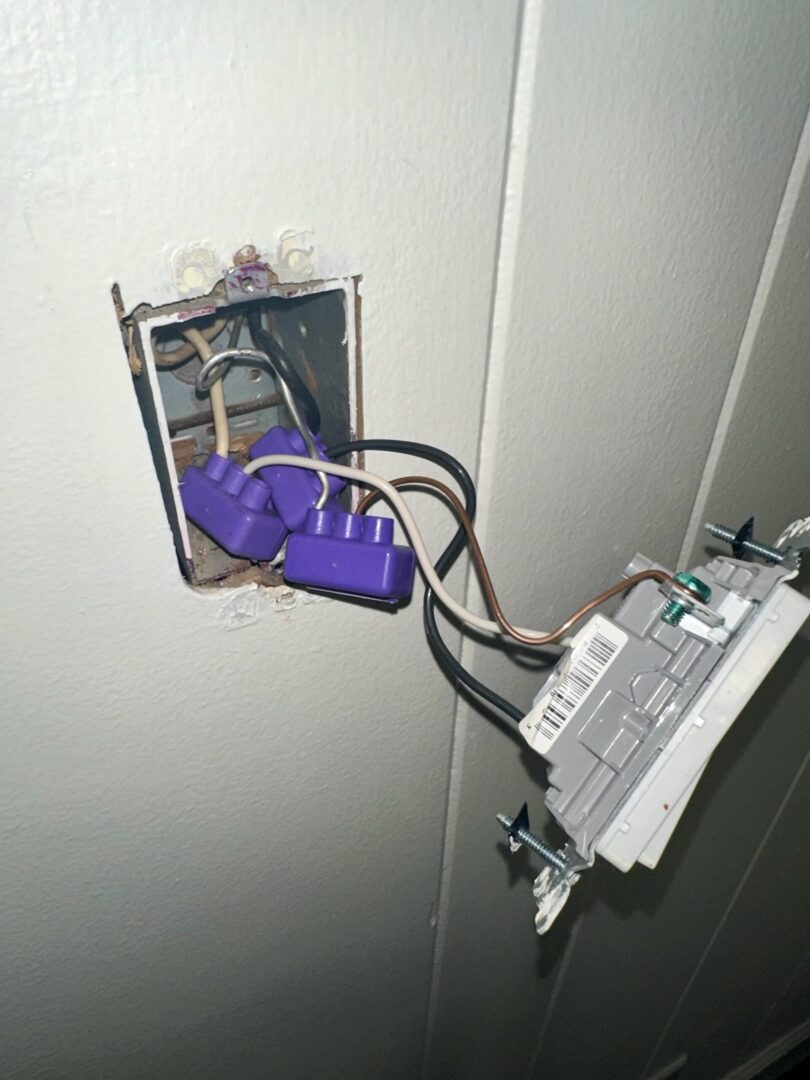
Ordinary twist-on wire nuts are not a solution. This includes the purple “aluminum-approved” wire nuts you might find at a hardware store. The CPSC explicitly warns against using these for aluminum-to-copper splicing. The problem is physics: aluminum and copper expand and contract at different rates, and over time, a twist-on connection will loosen, arc, and potentially ignite. No wire nut—regardless of color or marketing language—is a substitute for AlumiConn or COPALUM.
Never hire an unlicensed contractor for this work. In Texas, all aluminum wiring remediation requires a licensed electrical contractor (TECL) to pull permits and supervise the work. An unlicensed handyman who “saves you money” by skipping permits is performing illegal work that voids your insurance and leaves you with no recourse if something goes wrong. You can verify any contractor’s TECL license at tdlr.texas.gov—it takes two minutes and is worth every second.
Be skeptical of pressure toward a full rewire. A full rewire is appropriate in specific circumstances, but it’s not the right call for most homes with aluminum wiring. If a contractor quotes you $40,000 for a rewire without explaining why CPSC-approved pigtailing wouldn’t work for your situation, get a second opinion. The CPSC endorses AlumiConn as achieving equivalent safety—any contractor who tells you otherwise should be asked to show their work.
Always insist on a formal Certification of Remediation letter at project completion. Without it, your insurance company has no documentation that the work was done correctly, and you may find yourself uninsured when you need coverage most.
⚠️ Beware of Unlicensed Contractors and Unapproved Methods
Never hire an unlicensed handyman or contractor who claims they can skip permits to save money. Ordinary twist-on wire nuts are NOT CPSC-approved for aluminum-to-copper splicing and can worsen the fire hazard. Always verify your contractor’s TECL license at tdlr.texas.gov before signing any agreement.
If you want a deeper look at the full cost picture for pigtailing in the DFW area, the aluminum wiring pigtailing cost guide for Fort Worth walks through pricing by home size with no fluff.
Why Epic Electrical Is the Right Choice for Aluminum Wiring Remediation in DFW
Epic Electrical is a father-and-son team of master electricians—a third-generation electrical family that has been serving the DFW metroplex since 2009. With 50+ years of combined experience between them, they’ve seen every variation of aluminum wiring problem in every type of DFW home, from postwar ranch houses in Bedford to larger suburban builds in Colleyville and beyond. That depth of experience matters when you’re dealing with a safety issue this specific.
The numbers back it up: 123+ five-star Google reviews from DFW homeowners who came in with a problem and left with a solution—and a straight answer about what it would cost. Epic Electrical holds Texas Electrical Contractor License TECL #33192, carries the required general liability and workers’ compensation insurance, and handles all permits, inspections, and Certification of Remediation letters in-house. You don’t have to chase paperwork or wonder if the city inspector signed off—that’s part of the job.
The approach here is simple: honest diagnosis, no upsells. If AlumiConn pigtailing is the right fix for your home—and for most DFW homes it is—that’s what gets recommended. If there’s a cheaper or more appropriate solution, you’ll hear about it. The goal is your home’s safety and your peace of mind, not a bigger invoice. You can read what other DFW homeowners have experienced on the Epic Electrical testimonials page.
Ready to protect your home and satisfy your insurance company? Get a Free Estimate from Epic Electrical today—no obligation, no pressure.
Frequently Asked Questions About Aluminum Wiring Remediation in DFW
Can I install AlumiConn connectors myself as a homeowner, or do I need an electrician?
Texas law does allow homeowners to perform electrical work on their own primary residence, but AlumiConn installation is not a DIY-friendly project. It requires a city permit in all DFW municipalities, precise torqueing to manufacturer specifications, and a thorough understanding of electrical safety and code compliance. Improper installation—even with the right connector—can create new hazards and void your homeowner’s insurance. Most DFW cities also do not issue permits for complex remediation work directly to homeowners. Hiring a licensed electrician is strongly recommended for this specialized work.
Will installing AlumiConn connectors void my homeowner’s insurance policy?
No—it’s the opposite. When AlumiConn connectors are properly installed by a licensed electrician, with the required permits pulled and a Certification of Remediation letter issued, the remediation enables your insurance coverage rather than threatening it. Most major Texas insurers—State Farm, Allstate, Farmers, USAA, Nationwide—require CPSC-approved remediation to issue a new policy or renew an existing one on an aluminum-wired home. The remediation is what gets you to standard rates and keeps your coverage intact if something ever goes wrong.
How does AlumiConn compare to COPALUM as a remediation method, and which is better?
Both AlumiConn and COPALUM are CPSC-approved and achieve equivalent safety outcomes when installed correctly—the CPSC makes no distinction between them in terms of effectiveness. COPALUM uses a specialized cold-weld crimping process that requires factory-trained technicians and expensive equipment, which is why it’s often called the “gold standard” but is less common for residential work. AlumiConn uses a mechanical set-screw design that is widely adopted, easier for licensed electricians to install, and available at lower cost. For most DFW residential homes, AlumiConn is the practical choice with no safety trade-off.
Are CO/ALR-rated devices as safe and effective as using AlumiConn connectors for fixing aluminum wiring?
CO/ALR-rated devices are safe for directly connecting aluminum wiring at the device terminal, but they don’t constitute a complete remediation. They only address the outlet or switch itself—not the splices inside junction boxes or other interior connection points where aluminum wiring also terminates. The CPSC recommends comprehensive pigtailing with AlumiConn or COPALUM for the entire system, and most Texas insurance carriers require that full remediation to satisfy coverage requirements. CO/ALR devices can be a useful complement to pigtailing but should not be used as a standalone fix.
Why should I choose Epic Electrical over other aluminum wiring contractors in DFW?
Epic Electrical is a father-and-son team of master electricians with 50+ years of combined experience and 123+ five-star Google reviews from DFW homeowners. As a Texas-licensed contractor (TECL #33192), they specialize in CPSC-approved AlumiConn remediation and handle everything—permits, city inspections, and the Certification of Remediation letter your insurer requires. There are no upsells and no pressure: if there’s a more affordable fix that’s appropriate for your situation, they’ll tell you. Get a Free Estimate today and experience the Epic Electrical difference.
Ready to Fix Your Aluminum Wiring the Right Way in DFW?
Aluminum wiring is a manageable problem—but only when it’s addressed correctly, by the right people, with the right method. Epic Electrical’s father-and-son master electricians have handled hundreds of AlumiConn remediations across the DFW metroplex. We pull the permits, pass the inspection, and hand you the certification letter your insurance company needs. No pressure, no surprises.
Serving Fort Worth, Arlington, North Richland Hills, Keller, Colleyville, Southlake, Hurst, Bedford, Euless, Grapevine, and all of DFW.
Pricing, equipment specifications, and project scope mentioned in this article are accurate as of the date of publication and are subject to change. Code requirements and permit needs vary by municipality and property. Please contact us directly for a current quote on your specific home or business.