
- Texas homeowner exemption ≠ permit exemption — State law may allow homeowners to perform electrical work on their primary residence without a license, but Fort Worth requires permits for all significant electrical projects regardless of who does the work.
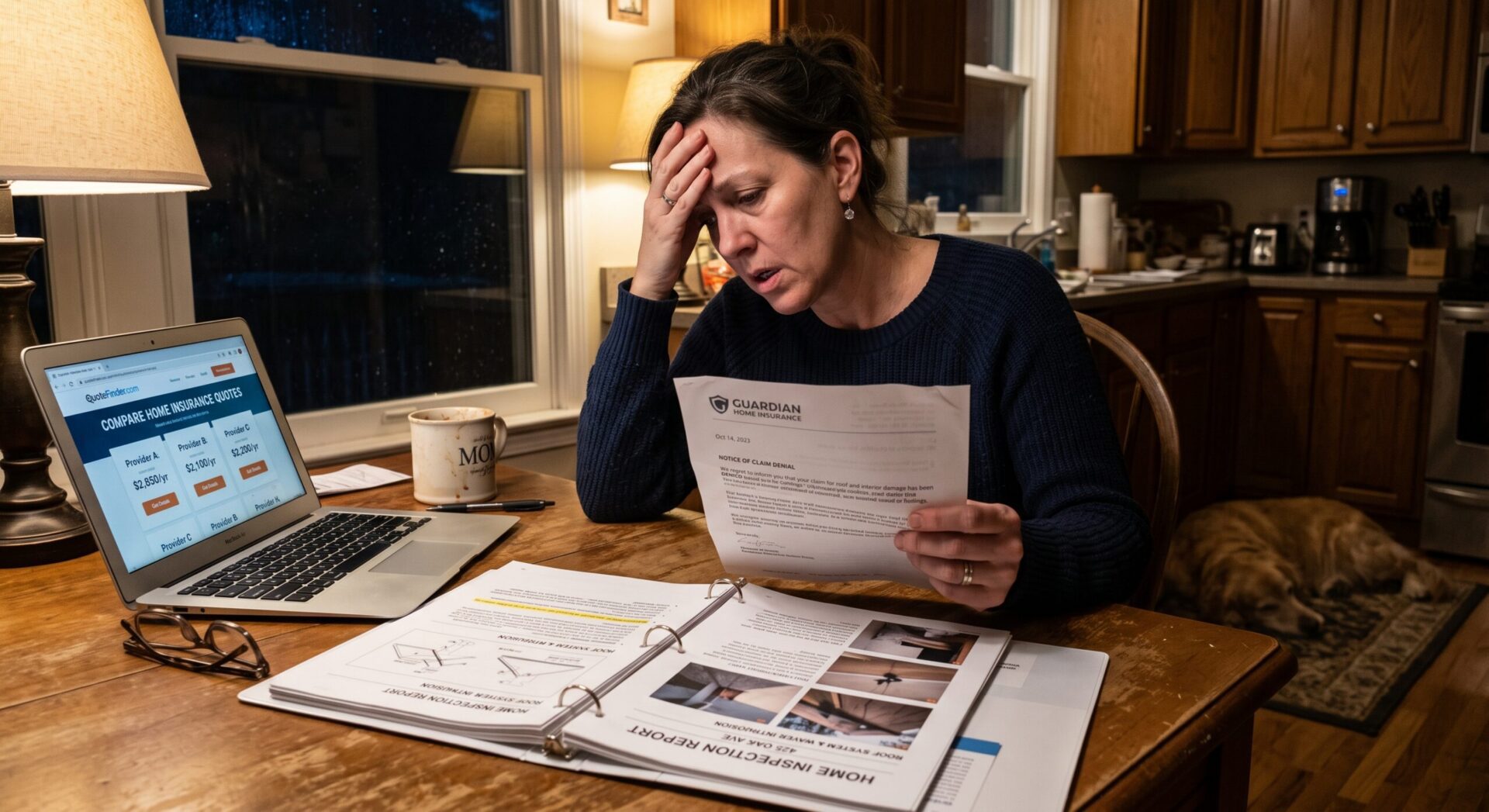
- Insurance denial is the biggest hidden risk — If unpermitted DIY electrical work causes a fire, your insurer can deny the entire claim, leaving you personally responsible for hundreds of thousands of dollars in damages.
- DFW labor rates run 10–20% above the Texas average — And 30–50% above national averages, meaning the true cost gap between DIY and licensed work is smaller than most homeowners expect once permit fees, code corrections, and rework are factored in.
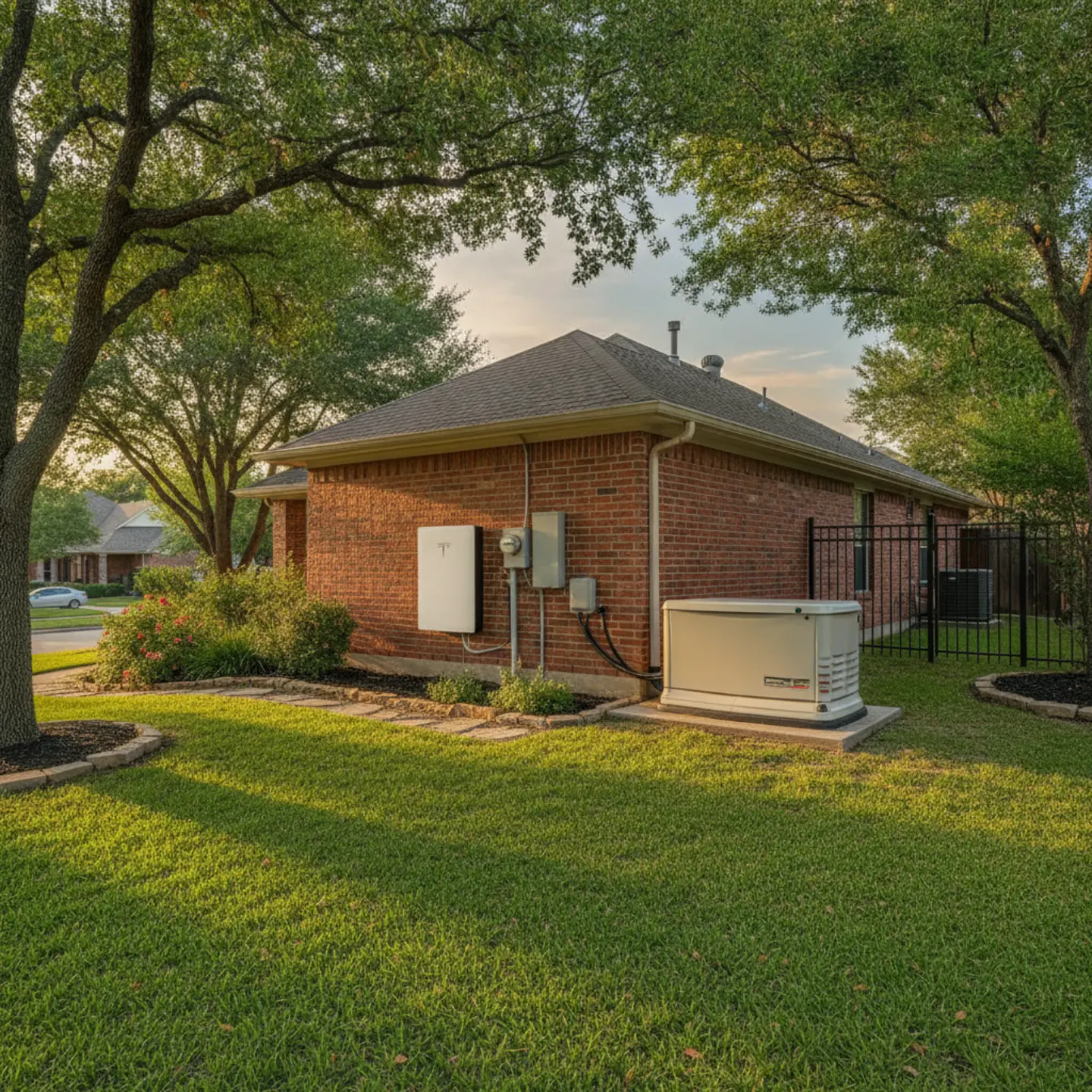
- Permitted electrical upgrades protect and increase your home’s value — A 200-amp panel upgrade is flagged positively by inspectors and appraisers; a whole-home generator can add 3–5% to resale value with an ROI of 50–150%.
- Trust Epic Electrical for honest diagnosis, transparent pricing, and zero upsells — father-and-son master electricians with 50+ years of combined experience and 123+ five-star Google reviews — get a free estimate and see why Fort Worth homeowners keep coming back.
DIY Electrical Repairs vs Hiring a Licensed Fort Worth Electrician: Which Is Safer and More Cost-Effective?
While Texas law technically allows homeowners to perform electrical work on their primary residence, this exemption does NOT include skipping permits—and unpermitted work can void your homeowner’s insurance, expose you to thousands in fines, and create serious fire hazards. Hiring a licensed Fort Worth electrician costs more upfront but protects your family, your home’s value, and your financial security. The true cost of DIY electrical work often far exceeds the initial “savings” once you factor in permit violations, insurance denial, and emergency repairs.
Understanding the real differences between DIY and professional electrical work—from licensing requirements to hidden costs to resale impact—is essential before you pick up a screwdriver or call a contractor.
Epic Electrical
Free Quote & Honest Diagnosis — No Upsells
Core Service Programs:
- Electrical Repairs, Wiring & Lighting for tripping breakers, faulty wiring, GFCI issues, and indoor/outdoor lighting
- EV Chargers, Generators & Panel Upgrades for Level 2 EV charging, whole-home generator installs, panel replacements, and surge protection
- Commercial, Warehouse & Industrial Electrical for restaurants, offices, industrial buildouts, LED retrofits, and dedicated circuits
Why Choose Epic Electrical:
- ✓ Trusted by customers with 123+ five-star Google reviews
- ✓ Father-and-son master electricians — a third-generation electrical family
- ✓ Serving North Richland Hills and the DFW Metroplex since 2009
- ✓ 50+ years of combined electrical experience on every job
- ✓ No upsells, no jargon, no pressure — we fix what’s actually broken
- ✓ Small repairs fixed same-visit; big jobs get a written quote with no hidden costs
- ✓ Texas-licensed electrical contractor (TECL #33192)
The Texas Homeowner Exemption: What You Can (and Cannot) Do Legally
Here’s where a lot of Fort Worth homeowners get into trouble: they’ve heard that Texas allows homeowners to do their own electrical work, so they assume they can skip the permit process entirely. That assumption is wrong—and it’s an expensive one to make.
Texas law does allow homeowners to perform electrical work on their own primary residence without holding an electrician’s license. But that’s a licensing exemption, not a permit exemption. The permit requirement is completely separate, and it doesn’t go away just because you own the home. Fort Worth specifically requires homeowners to hire licensed contractors for electrical, plumbing, gas, and HVAC work—the homeowner exemption does not override local ordinances.
The 2023 National Electrical Code, adopted by Fort Worth effective March 1, 2024, sets strict safety standards that all electrical work must meet to pass inspection. That includes expanded AFCI (arc-fault circuit interrupter) protection requirements and mandatory exterior emergency disconnects on new service installations. If your DIY work doesn’t meet these standards, it won’t pass inspection—and unpermitted work that’s discovered later can trigger fines, forced corrections at your expense, and insurance claim denial.
⚠️ The Permit Exemption Myth
Many homeowners believe the Texas homeowner exemption means they can skip permits entirely. This is false. Fort Worth requires permits for all significant electrical work, and unpermitted work can trigger fines, forced corrections, and insurance denial—even if the work itself is technically sound.
Fort Worth’s rapid growth—the city is projected to reach over 1 million residents by 2026—has put real pressure on code enforcement and the licensed electrical contractor market. With demand for electrical services outpacing supply across Tarrant County, the temptation to cut corners is understandable. But the consequences of unpermitted work follow the home, not just the homeowner who did it.
Permit Requirements in Fort Worth: What Triggers a Permit and What Doesn’t
Knowing which projects require a permit is the first step toward making a legal, insurable decision. The list of permit-required work is longer than most homeowners expect.
Projects that require a permit in Fort Worth: electrical panel upgrades (100A to 200A, 200A to 400A), new circuit installations, subpanel additions, EV charger installations, whole-home generator hookups, solar system connections, service entrance upgrades, and any new wiring runs. Fort Worth charges approximately $120–$150 for a standard electrical permit, plus inspection fees—costs that any reputable licensed contractor will include in their quote upfront.
Projects that typically do NOT require a permit: replacing an existing outlet, switch, or light fixture with a like-for-like replacement in the same location. That’s a short list for a reason.
Unpermitted work discovered during a home sale inspection or by code enforcement triggers what Fort Worth calls “double fees”—penalties on top of the original permit cost—plus mandatory corrections performed at licensed contractor rates. The permit isn’t bureaucratic red tape. It’s your legal proof that the work meets current code and is insurable. Skipping it is never a cost savings.
If you’re planning a panel replacement or any significant upgrade, the permit process is part of the job—and a licensed contractor handles all of it for you.
Pricing Comparison: DIY vs. Licensed Electrician in the DFW Market
Let’s talk real numbers. DFW electrical labor rates run 10–20% above the Texas state average and 30–50% above national averages, driven by sustained construction demand and a competitive skilled trades market. That context matters when you’re comparing DIY material costs to contractor quotes.
💡 You’re Not Alone in Considering DIY
Many homeowners are tempted by DIY electrical work to save money upfront. It’s a natural instinct. But the hidden costs—fines, insurance denial, resale impact, and the risk of fire or electrocution—make this one of the most expensive “savings” you can attempt.
| Project Type | DIY Material Cost | Licensed Contractor (DFW) | Key Risk if DIY |
|---|---|---|---|
| Outlet / switch replacement (per device) | $20–$50 | $100–$300 | Wiring errors, shock hazard |
| GFCI outlet installation | $15–$40 | $100–$250 | Improper wiring, code violation |
| 100A panel replacement | $400–$800 (materials) | $1,800–$4,500+ | Catastrophic failure, fire, insurance denial |
| 200A panel upgrade (standard) | $600–$1,200 (materials) | $2,800–$4,500 | Code non-compliance, permit fines, resale impact |
| 200A panel upgrade (complex) | Not recommended | Up to $9,500 | Electrocution risk, utility coordination required |
| EV charger installation (Level 2, existing circuit) | $200–$500 (charger only) | $800–$2,000+ | Panel overload, permit violation |
| EV charger (panel upgrade required) | Not feasible DIY | $2,800–$7,000+ | Requires licensed contractor and permit |
| Whole-home generator hookup | Not feasible DIY | $6,000–$15,000+ | Gas line, transfer switch, utility coordination |
The DIY material cost for a panel upgrade looks appealing until you add permit fees, AFCI breakers at $50–$90 each (required by the 2023 NEC for most circuits), drywall repair after wire runs, and the very real possibility of hiring a licensed electrician to diagnose and redo the work correctly. That’s before any fines or insurance consequences.
Homeowners concerned about the cost of larger projects should know that financing options exist. Residential electrical project financing can make panel upgrades, generator installs, and EV charger installations manageable without cutting corners on safety or permits.
The True Cost of DIY Electrical Failures: Insurance Denial, Fines, and Fire Risk
The upfront “savings” of DIY electrical work look very different once you understand what’s actually at stake.
Insurance claim denial is the most significant financial risk most homeowners never think about. Most homeowner’s insurance policies contain clauses that exclude coverage for damage caused by unpermitted or improperly performed electrical work. If a fire is traced to DIY wiring, your insurer can deny the entire claim—leaving you personally responsible for potentially hundreds of thousands of dollars in property damage. Insurers can also cancel or refuse to renew policies when they discover major unpermitted work, treating it as a misrepresentation of the property’s risk profile.
The fire risk itself is not theoretical. U.S. fire departments respond to approximately 33,380 home structure fires annually involving electrical distribution or lighting equipment, causing an estimated 310 deaths, 1,070 injuries, and $1.3 billion in direct property damage each year (NFPA data, 2017–2021). Improper wiring is consistently cited as a leading cause. Approximately 200 deaths occur annually from at-home electrocutions, with untrained DIYers facing significantly higher risk than licensed professionals.
Home electrical fires responded to annually by U.S. fire departments, causing $1.3 billion in property damage (NFPA, 2017–2021 data)
Code violation fines add another layer. Fort Worth charges double fees for unpermitted work, and homeowners can face fines of $100–$1,000+ per violation, plus mandatory corrections at licensed contractor rates. When unpermitted electrical work is flagged during a home sale inspection—and it will be flagged—buyers typically demand $5,000–$8,000 or more in repairs, price reductions, or walk away entirely.
And then there’s the cost to undo. Hiring a licensed electrician to diagnose and correct previous DIY errors almost always costs more than if they had done the work correctly the first time. There’s no shortcut that actually saves money here.
For homeowners dealing with tripping breakers or breaker issues, or concerned about the condition of their existing wiring, getting a professional assessment is the right first move—not a YouTube tutorial.
Licensing, Insurance, and Legal Protections: What a Licensed Electrician Provides
When you hire a licensed electrical contractor in Texas, you’re not just paying for labor. You’re buying a legal and financial protection framework that DIY work cannot replicate.
Any electrical contracting business operating in Texas must hold a Texas Electrical Contractor License (TECL) issued by the Texas Department of Licensing and Regulation (TDLR). The TECL holder must employ a licensed Master Electrician as the Responsible Master Electrician (RME)—the person legally accountable for code compliance on every job. You can verify any contractor’s license status at tdlr.texas.gov/LicenseSearch/ before signing anything.
Licensed electrical contractors must maintain a minimum of $300,000 per occurrence and $600,000 aggregate in general liability insurance. Always request a current Certificate of Insurance before work begins. This insurance protects you if something goes wrong—if an unlicensed worker is injured on your property instead, you could face personal liability for their medical bills and lost wages, and your homeowner’s insurance may not cover it.
💡 Red Flags When Hiring an Electrician
Before you hire, ask: “Can you provide your TECL number and proof of insurance?” If they hesitate, offer to skip the permit, or can’t produce documentation, walk away. These are non-negotiable signs of a legitimate, licensed contractor.
Licensed electricians must also complete continuing education in the National Electrical Code, state law, and NFPA 70E safety standards to maintain their licenses. That ongoing training is what keeps your home’s electrical work current with codes that change every few years. If a licensed contractor performs substandard work, you have real recourse: file a complaint with TDLR, pursue civil legal action, or invoke Texas Deceptive Trade Practices Act (DTPA) protections. With an unlicensed DIY job gone wrong, you have none of those options.
For homeowners across Tarrant County—whether you’re in North Richland Hills, Colleyville, or anywhere in between—these licensing protections apply equally and matter equally.
Top Licensed Electrical Contractors in Fort Worth and Tarrant County: Compared and Reviewed
Over 5,000 active TECL-licensed electrical contractors operate in the broader DFW metro area. Demand continues to outpace licensed supply, driven by rapid population growth, aging housing stock, and the surge in EV charger and solar installations. That makes choosing carefully more important, not less.
When evaluating any contractor, verify their TECL license status on the TDLR website, check for disciplinary actions, request proof of insurance, and ask for itemized quotes that include materials, labor, and permit fees. Walk away from any contractor who offers to skip the permit, can’t provide a TECL number on request, or asks for a large upfront cash payment.
| Contractor | Location | TECL Licensed | Specialties | Notable |
|---|---|---|---|---|
| Epic Electrical | 7304 Hialeah Cir W, North Richland Hills, TX 76182 | Yes — TECL #33192 | Panel upgrades, EV chargers, generators, aging wiring | 123+ five-star Google reviews; father-and-son master electricians; 50+ years combined experience; free estimates; handles all permitting |
| TLC Electrical | DFW Metro | Yes | Panel upgrades, subpanels, code compliance | Itemized quotes; permit management; Master Electrician on staff |
| Bohlken Electric | DFW Metro | Yes | Residential repairs, upgrades, new installations | Transparent pricing; actively educates homeowners on DIY risks |
| Hooked Up Electric | Fort Worth Area | Yes | Panel replacements, circuit additions, safety upgrades | Customer education focus; permit and inspection coordination |
| Gilmore Electric Express | DFW Metro | Yes | Emergency repairs, panel upgrades, new construction | 24/7 emergency service; transparent after-hours pricing |
The DFW electrical market has shifted significantly over the past two to three years. North Texas surpassed 145,000 registered EVs in 2025—a 34% year-over-year increase—and Texas ranks among the top states for solar growth. Both trends are driving panel upgrade demand at a pace that’s keeping licensed contractors busy. Booking lead times for non-emergency work have stretched, which is another reason to plan ahead and not wait for a failure to force the decision.
For homeowners in the western suburbs, Benbrook and Hurst area residents have access to the same licensed contractor market. The key is verifying credentials before any work begins, regardless of which provider you choose.
Why Epic Electrical Is the Right Choice for Fort Worth Homeowners
Everything this article covers—permit requirements, insurance risks, licensing verification, hidden costs—points to the same conclusion: the contractor you choose matters as much as the decision to hire one. Epic Electrical was built around exactly the values this article outlines as non-negotiable.
With 123+ five-star Google reviews, Epic Electrical has earned the trust of thousands of Fort Worth homeowners by doing something simple: telling the truth. If there’s a cheaper fix, they’ll tell you. If the work doesn’t need to be done, they’ll say so. That philosophy—honest diagnosis with no upsells—is what separates a family business from a sales operation.
The father-and-son master electricians behind Epic Electrical bring 50+ years of combined experience to every job, with deep familiarity with the specific electrical challenges facing DFW homes: mid-century wiring that wasn’t designed for modern loads, panel upgrades for EV chargers and whole-home generators, and the code compliance requirements that come with Fort Worth’s 2023 NEC adoption. As a TECL-licensed contractor (TECL #33192) serving DFW since 2009, Epic Electrical handles all permitting, inspections, and code compliance—the protections this article identifies as essential to protecting your home’s value and your insurance coverage.
For homeowners planning an EV charger installation or a whole-home generator hookup, these are exactly the kinds of projects where licensing, insurance, and permit compliance aren’t optional—they’re the whole point.
Get a Free Estimate from Epic Electrical — and experience what it feels like to work with a contractor who prioritizes your financial and safety interests over upselling unnecessary work.
Frequently Asked Questions: DIY Electrical Work vs. Licensed Electricians in Fort Worth
Can Texas homeowners legally do their own electrical work?
Texas law allows homeowners to perform electrical work on their own primary residence without holding an electrician’s license. However, this exemption does NOT allow you to skip permits. Fort Worth specifically requires homeowners to hire licensed contractors for electrical work, and all significant electrical projects must be permitted and inspected regardless of who performs the work. Unpermitted work violates local code and can result in fines, forced corrections at licensed contractor rates, and insurance claim denial—none of which the homeowner exemption protects you from.
What happens to my homeowners insurance if unpermitted electrical work causes a fire?
Most homeowner’s insurance policies contain clauses that exclude coverage for damage caused by unpermitted or improperly performed electrical work. If unpermitted DIY electrical work is found to be the cause of a fire, your insurer can deny the entire claim—leaving you personally responsible for potentially hundreds of thousands of dollars in property damage. Insurers can also cancel or refuse to renew your policy if they discover major unpermitted work during an inspection, treating it as a misrepresentation of the property’s risk. This is one of the most significant and underappreciated financial risks of DIY electrical work.
How do I verify an electrician’s TECL license before hiring them in Fort Worth?
Visit the Texas Department of Licensing and Regulation (TDLR) website at tdlr.texas.gov/LicenseSearch/ and enter the contractor’s company name or license number. Confirm the license status shows “Active,” check the expiration date, and review any disciplinary actions on record—these are public information. Always verify both the company’s TECL license and the supervising Master Electrician’s individual license before signing a contract or allowing any work to begin. A legitimate contractor will provide their TECL number without hesitation.
Will a permitted electrical panel upgrade increase my home’s resale value in the DFW market?
Yes, a permitted panel upgrade—especially to 200-amp service—is a measurable improvement in the DFW market. It addresses safety concerns, provides capacity for modern loads like EV chargers and smart home systems, and enhances buyer appeal. A whole-home generator can add 3–5% to resale value and deliver an ROI of 50–150%, particularly in outage-prone Texas. Permitted electrical upgrades are flagged positively by home inspectors and often lead to faster sales and stronger offers, while unpermitted work is flagged as a material defect that can kill deals or force costly price reductions.
What makes Epic Electrical different from other Fort Worth electrical contractors?
Epic Electrical stands out with 123+ five-star Google reviews, father-and-son master electricians with 50+ years of combined experience, and a commitment to honest diagnosis with no upsells or hidden costs. As a TECL-licensed contractor (TECL #33192) serving DFW since 2009, Epic Electrical handles all permitting and inspections, protecting your home’s value and insurance coverage. Their philosophy—”If there’s a cheaper fix, we’ll tell you”—reflects a no-BS family business approach that prioritizes your financial and safety interests above everything else. Get a Free Estimate from Epic Electrical and experience the difference that honesty and expertise make.
Ready to Protect Your Fort Worth Home with a Licensed Electrician?
Whether you’re weighing a panel upgrade, planning an EV charger installation, or just want an honest assessment of your home’s electrical system, you deserve straight answers—not a sales pitch. Epic Electrical’s father-and-son master electricians have been giving Fort Worth homeowners exactly that since 2009.
No upsells. No hidden costs. No pressure. Just 50+ years of combined experience and a free estimate that tells you exactly what you’re working with.
Serving Fort Worth, North Richland Hills, Arlington, Keller, Southlake, Colleyville, Grapevine, Lewisville, and all of DFW.
Call us: (682) 478-6088
Pricing, equipment specifications, and project scope mentioned in this article are accurate as of the date of publication and are subject to change. Code requirements and permit needs vary by municipality and property. Please contact us directly for a current quote on your specific home or business.