Key Takeaways
- Electrical issues are the #1 inspection finding — 25–35% of home inspections reveal at least one electrical deficiency, making this the most common reason buyers renegotiate or walk away.
- Proactive repairs cost 30–50% less — fixing electrical problems before listing gives you time to shop contractors and avoid emergency pricing after a failed inspection.
- Over 30% of DFW homes built before 1990 have outdated electrical systems — FPE Stab-Lok panels, aluminum wiring, and missing GFCI/AFCI protection are the most common culprits.
- Panel upgrades, GFCI/AFCI protection, and proper grounding are the highest-ROI repairs for pre-sale electrical work in DFW.
- Texas law requires disclosure of known material defects — fixing electrical issues before listing eliminates the need to disclose them and protects you from post-sale liability.
- Always verify TECL license status through TDLR.texas.gov before hiring any electrician — unlicensed work can fail inspection and leave you with no legal recourse.
- Realistic budget for a 1970s–1990s DFW home: $3,000–$10,000+ for comprehensive pre-sale electrical work, depending on the scope and specific issues found.
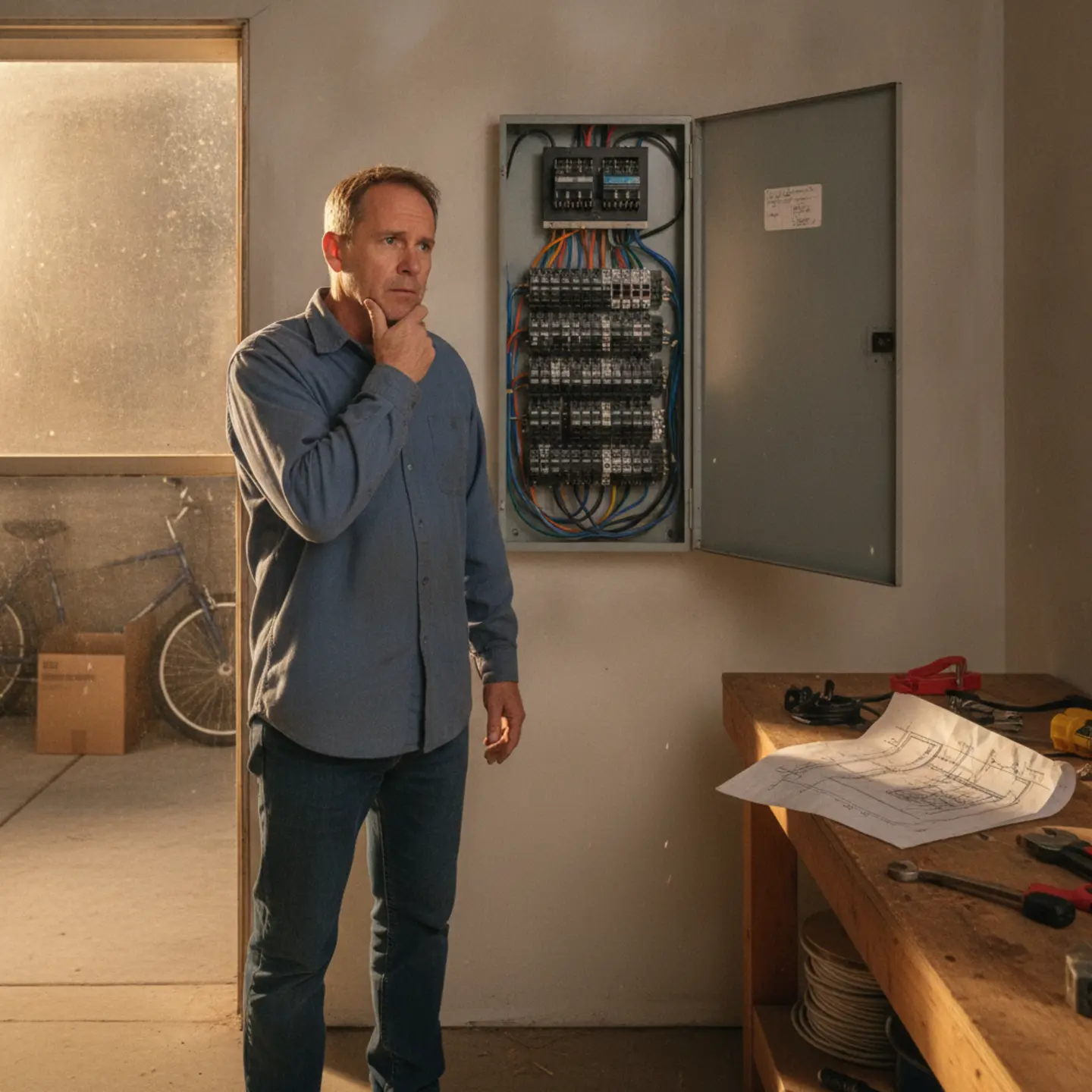
The inspection report arrives in your inbox on a Tuesday morning. You scan it quickly, expecting the usual minor items — a sticky door, a slow drain. Then you see it: Electrical Deficiencies — See Section 4. Three pages of flagged items. Missing GFCI outlets. Improper grounding. An undersized panel that the inspector has noted as a “potential safety concern.” By Wednesday, the buyer’s agent has sent over a repair addendum requesting $5,000 in concessions — or they’ll walk.
Here’s what stings the most: a licensed electrician could have addressed most of those issues for $2,500–$3,000 before you ever listed. You would have had time to shop contractors, get competitive quotes, and do the work on your schedule. Instead, you’re negotiating under pressure, with a closing date looming and a buyer who now has leverage.
This guide is the one you wish you’d read before listing. Whether you’re two months out from putting your home on the market or you’ve already received an inspection report that’s giving you heartburn, you’ll find honest, practical information here about which electrical repairs actually matter, what they cost in the DFW market, and how to find a contractor you can trust to get it done right.
Why Electrical Issues Kill DFW Home Sales (And How to Prevent It)
Electrical deficiencies are consistently the most common finding in residential home inspections — not just in DFW, but nationally. According to data from the American Society of Home Inspectors (ASHI), somewhere between 25% and 35% of home inspections reveal at least one electrical issue. In DFW, where a significant portion of the housing stock dates back to the 1960s, 1970s, and 1980s, that number skews toward the higher end.
The U.S. Census Bureau’s American Community Survey data tells a clear story: approximately 14% of DFW homes were built in the 1970s, another 16% in the 1980s, and roughly 15% before 1970. That means nearly half of all homes in the metro area were built during an era when electrical standards were dramatically different from what buyers and inspectors expect today. Electrical panel upgrades and wiring corrections aren’t a niche service in this market — they’re a routine part of selling an older home.
ℹ️ You’re Not Alone — Electrical Issues Are the #1 Inspection Finding
25–35% of home inspections reveal at least one electrical deficiency. If you’re worried about your home’s electrical system before listing, you’re thinking about exactly the right thing — and you’re in good company. The question isn’t whether to address it, but how to do it strategically.
What makes electrical issues particularly damaging to a home sale isn’t just the cost of repairs — it’s the leverage they hand to buyers. In the current DFW market, buyers are increasingly using inspection contingencies to renegotiate terms or terminate contracts when significant issues are discovered. Studies show that 15–25% of buyers will heavily renegotiate or walk away entirely when major electrical problems surface during inspection, especially when those problems are safety-related.
The financial math is straightforward: proactive repairs completed before listing typically cost 30–50% less than the same repairs done under post-inspection pressure. When you’re not racing against a closing deadline and a buyer’s attorney, you have time to get multiple quotes, choose the right contractor, and avoid the premium that comes with urgency.
The DFW Housing Stock Problem
Cities like North Richland Hills, Haltom City, and older neighborhoods in Fort Worth and Dallas have a disproportionate share of homes built between 1960 and 1985 — precisely the era when several electrical products were installed that are now considered safety hazards. Federal Pacific Electric (FPE) Stab-Lok panels and Zinsco panels were widely used during this period and are now flagged by virtually every TREC-licensed inspector as requiring further evaluation. Aluminum branch circuit wiring, common in homes built between the late 1960s and mid-1970s, creates a documented fire risk when connections loosen over time. Knob-and-tube wiring in pre-1970 homes is another common finding.
Even homes that don’t have these specific hazards often lack the grounding and GFCI/AFCI protection that modern code requires. These aren’t cosmetic issues — they’re the kind of findings that make buyers nervous and give their agents ammunition to push for concessions.
Why Buyers Walk Away
Safety-related electrical findings are in a different category from, say, a water heater that’s aging or a roof with five years of life left. Those items can be negotiated. A panel that has a documented history of fire risk, or a home with no grounding on a 50-year-old electrical system, creates genuine anxiety for buyers — and for their lenders. Some mortgage products and homeowner’s insurance policies have specific requirements around electrical safety, which means a flagged panel can affect a buyer’s ability to close, not just their willingness.
Inspection contingencies give buyers a formal mechanism to demand repairs, request price reductions, or terminate the contract without penalty. When significant electrical issues are discovered, sellers who haven’t done their homework often find themselves choosing between making expensive emergency repairs, accepting a lower price, or watching the deal fall apart entirely.
The Most Common Electrical Failures in DFW Home Inspections
Knowing what inspectors are looking for puts you in control. Rather than waiting to be surprised, you can walk through your home with a checklist and identify the issues most likely to show up in a TREC inspection report. Here’s what comes up most frequently in DFW homes — and what each finding actually means for your sale. If you want a comprehensive overview, our electrical safety inspection guide for Fort Worth homeowners covers these in detail.
⚠️ The FPE Stab-Lok and Zinsco Panel Problem
If your home has a Federal Pacific Electric (FPE) Stab-Lok or Zinsco breaker panel, inspectors will flag it as a safety hazard — no exceptions. These panels have a documented history of breaker failures and fire risk. This isn’t a code compliance issue that can be negotiated; it’s a safety issue that will need to be addressed before most buyers will proceed. If you’re unsure what brand your panel is, look at the breaker labels or call a licensed electrician for an assessment.
The most commonly flagged electrical deficiencies in DFW home inspections include:
- Missing GFCI protection in kitchens, bathrooms, garages, and exterior outlets — required by code and expected by every buyer
- Missing or inadequate AFCI protection in bedrooms and living areas — increasingly required under current NEC code
- Outdated or undersized main electrical panels — 100-amp service was standard decades ago; 200-amp is now the baseline expectation
- Improper grounding or bonding — invisible to the eye but critical for safety and often absent in older homes
- Non-functioning outlets, switches, or light fixtures — simple to fix but frequently overlooked
- Aluminum branch circuit wiring — a fire hazard in 1960s–1970s homes that requires specific remediation
💡 What’s the Difference Between GFCI and AFCI?
GFCI (Ground-Fault Circuit Interrupter) protects against electrical shock in wet or damp areas — kitchens, bathrooms, garages, and outdoor outlets. It detects when electricity is taking an unintended path (like through a person) and shuts off the circuit instantly. AFCI (Arc-Fault Circuit Interrupter) detects dangerous arcing in wiring — the kind that can start a fire inside your walls — and is required in bedrooms, living rooms, and other areas per current NEC code. Both are now standard expectations for inspectors and buyers, and both are relatively straightforward to install.
Safety Issues vs. Code Compliance Issues
Not all inspection findings carry the same weight. TREC-licensed inspectors use a specific standard of practice that distinguishes between safety hazards and code compliance issues, and understanding this distinction helps you prioritize your repair budget.
Safety issues — things like improper grounding, FPE/Zinsco panels, aluminum wiring, and missing bonding — are deal-breakers for most buyers and their lenders. These aren’t negotiable in most transactions. Code compliance issues — like GFCI outlet placement, outlet spacing, or the location of AFCI protection — are frequently flagged but are often easier to address and more negotiable. The key is knowing which category each finding falls into so you can make smart decisions about where to spend your money.
If you’re seeing failed electrical inspection findings in DFW home sales, the pattern is consistent: safety issues are the ones that kill deals, while code compliance items are the ones that create negotiation headaches. Fix the safety issues first, always.
Realistic Cost Breakdown for Pre-Sale Electrical Repairs in DFW
One of the most common questions we hear from sellers is: “How much is this actually going to cost me?” The honest answer is that it depends — but not in a vague, unhelpful way. Here are the real numbers for the DFW market in 2026, based on what licensed contractors are charging for common pre-sale repairs.
| Repair Type | Typical DFW Cost Range | Notes |
|---|---|---|
| Panel upgrade (100A to 200A) | $2,500–$6,000+ | Includes permits, inspections; complexity varies |
| GFCI outlet installation | $100–$200 per outlet | Includes labor; most homes need 6–10 outlets |
| AFCI breaker upgrade | $150–$250 per breaker | Per circuit; older homes may need multiple |
| Grounding corrections | $300–$1,000+ | Highly variable depending on extent of work |
| Hardwired smoke/CO detectors | $150–$300 per unit | Includes device and labor |
| Permit fees | $50–$200+ per project | Varies by city (Fort Worth, Dallas, Southlake, etc.) |
| Drywall repair (if needed) | $200–$800 | Often not included in base electrical quote |
For a home built in the 1970s–1990s in DFW, sellers should realistically budget between $3,000 and $10,000+ for comprehensive pre-sale electrical work. That’s a wide range, but it reflects the genuine variability in what older homes need. A home with a functional 200-amp panel and solid grounding that just needs GFCI outlets and a few AFCI breakers might come in at the lower end. A home with an FPE panel, aluminum wiring, and no grounding is a different conversation entirely.
Why Costs Vary So Much
DFW is a moderate-to-higher-cost market for electrical contracting compared to smaller Texas cities, primarily because of labor demand and market competition. A panel upgrade that might cost $1,800 in a smaller Texas town often runs $2,500–$4,000 in the DFW metro. Permit fees vary by municipality — Fort Worth, Dallas, Southlake, and Arlington all have their own fee structures and inspection processes. If accessing wiring requires drywall removal, that adds $200–$800 to your total, and that cost is frequently not included in the initial electrical quote. Always ask upfront.
There’s also a phenomenon that catches many sellers off guard: once a licensed electrician begins permitted work, they may be required to bring other parts of the system up to current code if deficiencies are discovered. This is called “scope creep,” and it’s not a scam — it’s the law. Understanding this risk before work begins helps you budget appropriately and avoid unpleasant surprises mid-project. Our page on electrical work that requires a permit in Texas explains exactly when permits are required and what the inspection process looks like.
Proactive vs. Reactive: The Real Cost Difference
The 30–50% cost premium for reactive repairs isn’t just about contractor pricing. It’s about the entire dynamic of the situation. When you’re fixing electrical issues before listing, you’re in control: you can get three quotes, choose the best value, and schedule work on your timeline. When you’re fixing issues after a failed inspection with a buyer waiting and a closing date approaching, contractors know you’re under pressure — and their pricing reflects it. More importantly, the buyer’s agent knows you’re under pressure too, which is why the initial concession request is almost always higher than the actual repair cost.
💡 Pro Tip: Get Multiple Quotes Before Listing
Electrical contractors in DFW can vary significantly in pricing and approach. Getting 2–3 detailed, itemized quotes before you list gives you leverage to negotiate better pricing and ensures you understand the full scope of work — including permits, drywall repair, and any code upgrades that may be required. Never accept a quote that doesn’t break down labor, materials, permit fees, and drywall costs separately.
Not sure which repairs your home actually needs before listing?
A quick assessment from a licensed electrician can identify exactly what’s critical — and what can wait — so you’re not spending money on repairs that won’t move the needle with buyers or inspectors.
Which Electrical Repairs Actually Increase Your Home’s Value?
Not every electrical repair delivers the same return. Some fixes are purely defensive — they prevent a deal from falling apart. Others actively increase buyer confidence and can support a higher asking price. Understanding the difference helps you allocate your budget where it matters most.
✅ Proactive Repairs Save Money and Stress
Fixing electrical issues before listing costs 30–50% less than emergency repairs after a failed inspection. Beyond the financial savings, you avoid the stress of buyer negotiations and the very real risk of losing a sale over electrical red flags. A home that passes inspection cleanly is worth more — not just on paper, but in the confidence it gives buyers to move forward without hesitation.
Panel upgrades to 200-amp service are the single most impactful electrical improvement for resale value in DFW. An undersized or unsafe panel is a major inspection contingency — it affects buyer confidence, lender approval, and homeowner’s insurance eligibility. Upgrading eliminates all of those concerns at once. The National Association of Realtors consistently ranks electrical system upgrades among the home improvements with measurable resale payback, and in a market where buyers are using inspection contingencies aggressively, removing this item from the table has real financial value.
GFCI and AFCI protection in required areas is no longer a nice-to-have — it’s an expectation. Buyers who have purchased homes in the last 10 years are accustomed to seeing these protections in place. When they’re missing, it signals deferred maintenance and raises questions about what else hasn’t been kept up. Installing them is relatively inexpensive and removes a common inspection finding entirely. You can read more about residential circuit breaker repairs and upgrades including AFCI installation on our services page.
Proper grounding and bonding are invisible improvements — buyers won’t see them, but inspectors will, and so will the buyers’ agents when they review the report. A home with solid grounding throughout the system signals that the electrical infrastructure is sound, which builds confidence in the entire property.
Hardwired, interconnected smoke and CO detectors are legally required in Texas and are a quick, visible signal of a well-maintained home. They’re also relatively inexpensive to install and will be noted positively in any inspection report.
Aluminum wiring remediation, where present, is one of the highest-impact safety improvements you can make. The National Fire Protection Association (NFPA) identifies electrical distribution equipment — including aluminum wiring — as a leading cause of home structure fires. Addressing this issue doesn’t just help you pass inspection; it genuinely makes the home safer for the family moving in, which is something worth caring about regardless of the sale.
The Safety-First ROI Argument
The ROI on pre-sale electrical work isn’t always a straight dollar-for-dollar calculation. The real return is measured in deals that close without contingencies, buyer concessions you don’t have to make, and time you don’t spend renegotiating after a failed inspection. A home that passes inspection cleanly — with documentation showing recent electrical upgrades — is a stronger asset in any market condition. Buyers feel more confident, lenders have fewer concerns, and the transaction moves forward without the friction that electrical red flags create.
In the DFW market specifically, where homes from the 1960s–1980s represent a large share of inventory in cities like North Richland Hills, Haltom City, and older Fort Worth neighborhoods, buyers have learned to expect electrical issues in older homes. What separates a smooth sale from a contentious one is whether the seller has addressed those issues proactively — or left them for the buyer to discover and weaponize during negotiations.
How to Find a Licensed, Trustworthy Electrician in DFW
The DFW market has a large pool of electrical contractors — which is both a blessing and a challenge. There are excellent licensed professionals here, and there are also unlicensed operators who will take your money, do substandard work, and leave you with a failed inspection and no legal recourse. Knowing how to tell the difference is one of the most valuable things you can do before starting any pre-sale electrical work.
The first and non-negotiable step is verifying TECL license status through TDLR.texas.gov. In Texas, any individual performing electrical work that requires a permit must hold a Texas Master Electrician (TECL) license or work under the direct supervision of one. Electrical contractors must also be registered with the Texas Department of Licensing and Regulation (TDLR). The verification process takes about two minutes: go to TDLR.texas.gov, navigate to the licensing search, select “Electricians” or “Electrical Contractors,” and enter the contractor’s name or license number. You’ll see their license status, expiration date, and any disciplinary actions on record. If a contractor won’t give you their license number, that’s your answer right there.
Beyond licensing, ask for proof of general liability insurance — $300,000 to $500,000 in aggregate coverage is the standard minimum. Ask specifically about their experience pulling permits in your city. Fort Worth, Dallas, Southlake, and Arlington all have their own permit processes and fee structures, and a contractor who regularly works in your municipality will navigate that process faster and more reliably than one who doesn’t. Our Fort Worth electrician services page gives you a sense of what local, permitted electrical work looks like from our perspective.
Red Flags That Signal Trouble
Experience has taught us that certain patterns reliably indicate a contractor who will cause problems. Watch for these:
- Unusually low bids — If one quote is dramatically lower than the others, it usually means unlicensed work, cut corners, or missing scope items (like permits and drywall repair)
- Refusal to provide licensing or insurance documentation — A licensed, insured contractor has nothing to hide and will provide this documentation without hesitation
- Pressure tactics or demands for immediate payment — Legitimate contractors don’t need to pressure you into a decision
- Vague quotes that don’t itemize labor, materials, and permits — If you can’t see what you’re paying for, you have no protection when the scope changes
- Claims that permits aren’t necessary — For most electrical work in Texas, permits are required by law. A contractor who suggests skipping them is either uninformed or trying to avoid accountability
Questions to Ask Every Contractor
Before agreeing to any work, ask these questions directly. The answers will tell you a lot about who you’re dealing with:
- “Are you a licensed Master Electrician, and can I verify your TECL license number with TDLR?”
- “Do you carry general liability insurance? Can I see a certificate of insurance?”
- “Have you pulled permits in [your specific city] before, and are you familiar with their process?”
- “Are you familiar with common electrical issues in DFW homes from the 1960s–1980s — FPE panels, aluminum wiring, grounding deficiencies?”
- “Can you provide a detailed, itemized quote that includes permits, inspections, and drywall repair costs?”
- “What’s your timeline from start to final city inspection sign-off?”
A competent, honest contractor will answer all of these questions confidently and without hesitation. If you get evasive answers, vague responses, or pushback on any of these points, move on to the next quote.
Ready to get started with a contractor you can trust?
Epic Electrical specializes in pre-sale electrical assessments and can walk you through exactly what needs to be fixed and why — with honest, itemized pricing and no pressure to do more than what’s necessary.
Step-by-Step: What to Expect During Pre-Sale Electrical Work
One of the biggest sources of anxiety for sellers is not knowing what the process looks like. How long will it take? Will contractors be in and out of your home for days? Will there be drywall holes everywhere? Here’s an honest walkthrough of what pre-sale electrical work actually involves, from the first phone call to the final city inspection sign-off.
Step 1: Initial Assessment. A licensed electrician evaluates your panel, wiring, grounding, and overall code compliance. This typically takes 1–2 hours and gives you a clear picture of what needs to be addressed. A good electrician will prioritize findings by safety risk and inspection impact, not by what generates the largest invoice. This is the stage where you find out whether you’re looking at a $1,500 fix or a $7,000 project — and it’s far better to know before you list.
Step 2: Detailed Quote. The contractor provides an itemized estimate covering labor, materials, permit fees, and drywall repair costs. If drywall repair isn’t included, ask why and get a separate quote from a drywall contractor so you have the full picture. Understand what’s included in the scope and what might expand it (code upgrade requirements discovered during work, for example).
Step 3: Permit Pulling. For most electrical work in Texas, permits are required. Your contractor obtains the necessary permits from your city’s building department before work begins. This is not optional, and any contractor who suggests skipping it is putting you at risk — unpermitted electrical work can create serious problems when a buyer’s inspector or lender discovers it. For a deeper dive on this topic, our guide to what electrical work requires a permit in Texas covers the specifics.
Step 4: Work Execution. Repairs are completed according to current NEC code and applicable local amendments. Texas has largely adopted the 2023 NEC, which includes enhanced requirements for AFCI protection, stricter GFCI placement rules, and updated grounding and bonding standards. A licensed contractor will be familiar with these requirements and will ensure the work meets them.
Step 5: City Inspection. A city inspector verifies that the work meets code before issuing a sign-off. This is your documentation that the work was done correctly and legally — something that will reassure buyers and their agents when you present it during the transaction.
Step 6: Final Walkthrough. Your contractor confirms all work is complete, functional, and ready for your home to show. Any drywall patching and painting should be complete at this stage.
Timeline Expectations for DFW
Timeline varies significantly based on the scope of work and your city’s permit processing speed:
- Simple repairs (GFCI outlets, breaker swaps): 1–3 days for the work itself
- Panel upgrades: 3–7 days depending on complexity and drywall repair needs
- Permit approval: 5–15 business days depending on the city and current workload
- Peak seasons (spring and fall): Expect longer lead times; reputable contractors book several weeks out
Spring and fall are the busiest listing seasons in DFW, which means electrical contractors are in high demand during precisely the time most sellers are trying to get their homes ready. If you’re planning to list in March or April, don’t wait until February to schedule your electrical assessment. Book early — 6–8 weeks before your target listing date gives you enough buffer to handle unexpected scope and permit processing delays.
Drywall Repair and Cleanup
Accessing wiring — particularly for panel upgrades, grounding corrections, or running new circuits — often requires opening up drywall. This is normal and expected. What varies is whether your electrical contractor includes patching and painting in their quote. Many don’t. Before work begins, confirm explicitly what the post-work condition of your walls will be and whether you need to budget separately for a drywall contractor. Budget $200–$800 for drywall repair if it’s not included, and make sure the final result leaves your home ready to show. You’re selling this house — it needs to look good when buyers walk through.
Texas Disclosure Laws: What You Must Tell Buyers About Electrical Issues
This is the section that most sellers either don’t know about or try to avoid thinking about. Texas law requires sellers to disclose known material defects — and significant electrical problems qualify as material defects under the Texas Property Code. Failing to disclose can result in legal liability after the sale, including lawsuits under the Texas Deceptive Trade Practices Act (DTPA).
The good news is that the disclosure requirement applies to known defects. If you fix the electrical issues before listing, there’s nothing to disclose — the problem no longer exists. A home with a recently upgraded panel, documented GFCI/AFCI installation, and a city inspection sign-off isn’t a home with electrical deficiencies. It’s a home with recent electrical improvements, which is a selling point, not a liability.
This is one of the most compelling arguments for proactive repairs: they don’t just protect your sale, they protect you legally. Understanding electrical safety standards and what inspectors look for can help you identify which issues rise to the level of material defects that require disclosure.
“The best disclosure strategy is a home that passes inspection. Fix the problems, get the permits, keep the documentation — and there’s nothing to disclose because there’s nothing wrong.”
How Repairs Protect You
When you complete permitted electrical work and receive a city inspection sign-off, you have documentation that the work was done correctly and meets current code. This documentation serves multiple purposes: it gives buyers confidence, it satisfies lender requirements, and it protects you from post-sale claims that you concealed known defects. Keep copies of all permits, inspection sign-offs, and contractor invoices — your real estate agent should include this documentation in the seller’s disclosure package.
Always consult with your real estate agent and a legal professional about the specific disclosure requirements for your situation. The general principle is clear — fix it, document it, disclose the improvements — but the specifics of what must be disclosed and how can vary based on the nature of the issue and when you became aware of it. Your agent and attorney are your best resources for navigating this correctly.
Top Licensed Electricians in DFW: Compared and Reviewed
DFW has a large, competitive pool of TECL-licensed electricians and electrical contracting firms. The challenge isn’t finding someone who calls themselves an electrician — it’s finding someone with the right combination of licensing, experience, permit-pulling history, and familiarity with the specific electrical issues common in older DFW homes. Here’s an honest look at the different types of providers you’ll encounter, and what to expect from each.
Before we get into the comparison, one important reminder: regardless of which type of provider you choose, always verify their active TECL license through TDLR.texas.gov and request a current certificate of insurance before any work begins. Reading verified reviews from past customers is also a valuable step — patterns in feedback tell you a lot about how a contractor actually operates.
Epic Electrical — DFW-Based, Family-Owned
Address: 7304 Hialeah Cir W, North Richland Hills, TX 76182
Epic Electrical is a third-generation family business with deep roots in the DFW community. As TECL-licensed Master Electricians, the team has extensive experience specifically in pre-sale electrical assessments — identifying the issues most likely to be flagged in TREC inspections and addressing them efficiently and cost-effectively.
What sets Epic apart from larger firms is the approach: honest, no-pressure guidance that prioritizes the most cost-effective solution, not the most expensive one. If there’s a cheaper way to address an issue that still passes inspection and protects the home, that’s what you’ll hear. The team handles permit pulling, city inspections, and drywall repair coordination as part of a comprehensive service — so you’re not managing multiple contractors while also trying to sell your house.
Epic Electrical’s general electrical services cover everything from panel upgrades and GFCI/AFCI installation to grounding corrections and aluminum wiring remediation — the full range of pre-sale electrical work that DFW sellers need. Strong local reputation for transparent pricing and reliable follow-through.
Berkeys Plumbing, A/C & Electrical — Southlake-Based, Multi-Trade Veteran
Headquarters: Southlake, TX (additional locations in Dallas, Fort Worth, and Carrollton)
Berkeys has operated in the DFW market since 1975, making them one of the longest-tenured home service companies in the region. They’re a full-service plumbing, HVAC, and electrical contractor — meaning electrical is one of three trades they handle, not their sole focus. The electrical division offers panel upgrades, GFCI installation, ceiling fans, surge and lightning protection, EV chargers, and emergency service across Tarrant, Dallas, Denton, and Collin Counties. Technicians are background-checked, drug-tested, and BBB-accredited with an A+ rating.
The strength of Berkeys is the breadth — if your pre-sale inspection turns up both plumbing and electrical issues, you can address them through a single company. The tradeoff is that you’re paying for the overhead of a four-location, three-trade operation, and Berkeys has openly stated they “aren’t the cheapest” in the market. For straightforward pre-sale electrical fixes, that overhead doesn’t always translate into added value compared to a focused electrical specialist.
Milestone Electric, A/C, & Plumbing — Garland-Based, Largest in DFW
Headquarters: 2360 Crist Rd Suite B900, Garland, TX 75040
Milestone is one of the largest home service companies in North Texas, with close to 300 service vans across DFW and a workforce of 200–500 employees. Founded in 2004 and family-owned, they operate as a multi-trade firm (electrical, HVAC, and plumbing) and have been voted “Best in DFW” by the Dallas Morning News. Electrical services include panel upgrades, EV charger installation, generators, surge protection, outlets, switches, and lighting. They offer same-day appointments, 24/7 emergency response, and a 100% satisfaction guarantee with a price-match policy.
Where Milestone excels is availability — with that fleet size, getting same-day service is realistic even on short notice. Where reviews consistently flag concern is pricing. Multiple verified customer reviews mention quotes coming in significantly higher than competing bids on identical work, and the upsell approach during service calls is a recurring theme. If you need fast turnaround on a complex job and price is secondary, Milestone has the capacity. For budget-conscious pre-sale repairs with a defined scope, you’ll likely find better value elsewhere.
Hop2It Electrical — Fort Worth-Based, Electric-Only Specialist
Address: 2565 Gravel Dr, Fort Worth, TX 76118
Hop2It (formerly 24-7 Electrical Services) is a family-owned electrical contractor founded by Shane Shipley. Unlike the multi-trade firms above, Hop2It focuses exclusively on electrical work — residential and commercial — across Fort Worth, Dallas, and most of the suburbs between (Bedford, Colleyville, Grapevine, Keller, Southlake, North Richland Hills, and more). BBB-accredited with an A+ rating since 2016, they offer 24/7 service, a $59 service fee, and 5-to-20-year warranties on repairs and installed parts. Customer reviews on HomeAdvisor average 4.6 stars across nearly 200 reviews; Best Pick Reports has them at 4.9 stars across 400+ reviews.
Because Hop2It only does electrical, their technicians spend their full work week on electrical scopes — which generally translates to faster diagnosis and more confident permit handling than you’d get from a generalist. They’re a strong option for homeowners on the Fort Worth side of the metroplex who want an electric-focused contractor with formal warranty backing. Pricing tends to be mid-market rather than budget, and like most companies in this size range, the structured service-fee model means you’re paying for the dispatch regardless of the eventual job size.
JSR Electricians — Grapevine-Based, Smaller Team
Address: Grapevine, TX (TECL #38225, Master #ME-2748)
JSR Electricians is a smaller, locally-owned electrical contractor based in Grapevine, serving Western Dallas County, Southern Denton County, and Tarrant County — including Bedford, Colleyville, Coppell, Euless, Flower Mound, Grapevine, Keller, Southlake, and surrounding cities. The team has roughly 30 years of cumulative industry experience and operates with a small-team culture, which typically means you’re working with the same handful of electricians rather than a rotating dispatch. Services include panel and breaker work, outlet and switch repairs, EV charger installation, ceiling fan installation, lighting, and smoke and carbon detector replacement.
Smaller operations like JSR are often a good fit for homeowners who want personalized attention on straightforward pre-sale work and don’t need 24/7 emergency capacity or large-crew scheduling. The tradeoff is capacity — if your inspection report is long and your closing is tight, a small team may not be able to turn around a multi-day scope as quickly as a larger firm. For a focused list of pre-sale repairs with a reasonable timeline, the smaller-team model can deliver excellent results at competitive pricing. As always, confirm the active TECL license at tdlr.texas.gov and request a current certificate of insurance before scheduling work.
Smart Budget Planning: Prioritizing Electrical Repairs Before You List
If you have unlimited budget and time, the answer is simple: fix everything. But most sellers are working with real constraints, and the goal is to maximize inspection outcomes and buyer confidence without spending more than necessary. Here’s how to think about prioritization strategically.
Safety issues first, always. Grounding deficiencies, fire hazards (aluminum wiring, FPE/Zinsco panels), and a non-functional or dangerous main panel are the issues that will kill your deal. These are non-negotiable for most buyers, lenders, and insurance companies. If you can only afford to fix one category of issues, fix these.
Code compliance second. GFCI protection in kitchens, bathrooms, garages, and exterior outlets; AFCI protection in bedrooms and living areas; and modern hardwired smoke and CO detectors are all required by current code and expected by inspectors. These are relatively affordable to address and eliminate common inspection findings that buyers use as negotiation leverage.
Cosmetic upgrades last. New outlet covers, updated switch plates, and similar cosmetic improvements are the lowest priority. They improve the overall impression of the home but won’t move the needle on inspection outcomes or buyer safety concerns.
For a 1970s–1990s DFW home, a realistic comprehensive budget is $3,000–$10,000+. That’s a significant investment, but consider the alternative: a buyer who discovers these issues during inspection and demands $8,000 in concessions — or walks away entirely. The math almost always favors proactive repairs. Getting a free electrical assessment before you commit to any repairs is the smartest first step — it gives you a clear picture of what’s actually needed and lets you make an informed decision about where to focus your budget.
The Minimum Viable Repair List
If budget is genuinely tight, here’s the minimum list that addresses the most critical inspection risks:
- Functional, safe main panel — upgrade if 100A or if panel is FPE/Zinsco brand
- Proper grounding throughout the electrical system
- GFCI protection in kitchens, bathrooms, garages, and exterior outlets
- AFCI protection in bedrooms and living areas (per current NEC code)
- Hardwired, interconnected smoke and CO detectors throughout the home
If You’re on a Tight Budget
Talk to both your electrician and your real estate agent before deciding what to fix. Your agent knows what buyers in your specific price range and neighborhood expect — and what they’re likely to flag in negotiations. Your electrician can tell you which issues are most likely to be called out in a TREC inspection. Together, they can help you prioritize the repairs that will have the biggest impact on your sale outcome. Some items can be negotiated with the buyer after inspection if absolutely necessary, but safety-related issues generally cannot. Delaying those repairs almost always costs more in the long run — either through price reductions that exceed the repair cost, or through lost sales that cost you carrying costs and market momentum.
DFW sellers in cities like North Richland Hills, Keller, and Haltom City are often surprised to learn that financing options exist for pre-sale electrical work. Our residential electrical project financing guide covers available options if you need to spread the cost of repairs over time rather than paying everything upfront.
Want a detailed, itemized estimate for your home’s electrical needs?
No pressure, no surprises — just honest advice on what will help your home pass inspection and sell faster. We’ll tell you what’s critical, what can wait, and what the real costs look like.
Avoiding Scams and Unlicensed Electricians: Protect Yourself and Your Investment
The pre-sale window is when sellers are most vulnerable to predatory contractors. You’re under time pressure, you’re emotionally invested in the sale, and you may not have experience evaluating electrical bids. Unlicensed operators know this, and some specifically target sellers who are preparing to list. Here’s what to watch for and how to protect yourself.
Unlicensed contractors pose as licensed electricians to avoid scrutiny and offer artificially low prices. The problem isn’t just the price — it’s that unlicensed work can result in unsafe installations that fail inspection, and when something goes wrong, you have no legal recourse. The contractor isn’t licensed, isn’t bonded, and isn’t subject to TDLR oversight. You’re on your own. Always verify a contractor’s TECL license through TDLR.texas.gov before signing anything or making any payment.
Common Scams and How to Spot Them
The low-ball bid: A quote that’s dramatically lower than the others almost always signals one of three things — unlicensed work, missing scope items (permits, drywall repair, code upgrades), or a contractor who plans to add charges once work has started and you’re committed. Get three quotes and be skeptical of any that are significantly below the others.
The fake permit: Some contractors claim a permit was pulled when it wasn’t, or use expired permits. Confirm directly with your city’s building department that a permit has been issued and that an inspection is scheduled. This takes five minutes and can save you enormous headaches during the transaction.
Post-inspection price gouging: This is the scenario we want you to avoid entirely by reading this article. Sellers who wait until after a failed inspection to get quotes are at the mercy of contractors who know they’re under pressure. Get quotes before you list, even if you’re not sure you’ll need the work.
High-pressure tactics: Legitimate contractors don’t demand immediate decisions or same-day payment. If someone is pressuring you to sign a contract or hand over a check before you’ve had time to verify their credentials and compare quotes, walk away.
Your Recourse If Something Goes Wrong
If you’ve hired a licensed electrician who does faulty work or violates TDLR regulations, you have real recourse. The TDLR complaint process allows you to file a formal complaint that TDLR will investigate — and they can impose penalties including license suspension or revocation. The Texas Deceptive Trade Practices Act (DTPA) provides additional protection against false or misleading business practices. If a contractor misrepresented their qualifications, the scope of work, or caused harm through faulty workmanship, you may have grounds for legal action under the DTPA.
The practical lesson: always get written contracts, keep copies of all documentation, and verify licensing before any work begins. These simple steps give you a paper trail and legal standing if something goes wrong.
Frequently Asked Questions About Pre-Sale Electrical Work
Do I have to disclose known electrical issues when selling my house in Texas?
Yes. Texas law requires sellers to disclose known material defects, including significant electrical problems that could affect the property’s value or safety. Failing to disclose can result in legal liability after the sale — including lawsuits under the Texas Deceptive Trade Practices Act. However, if you fix the issues before listing, there’s nothing to disclose — the problem has been resolved, and you have documentation showing compliant, permitted work. Always consult with your real estate agent and a legal professional about the specific disclosure requirements for your situation, as the specifics can vary based on the nature of the issue and when you became aware of it.
Will a home inspector flag my old electrical panel?
Almost certainly, yes. TREC-licensed home inspectors are required to identify and report on significant deficiencies, including older or potentially unsafe panels — particularly Federal Pacific Electric (FPE) Stab-Lok and Zinsco panels, which have documented histories of breaker failures and fire risk. Inspectors will also flag insufficient grounding, lack of required GFCI and AFCI protection, and other safety-related deficiencies. These findings will appear in the inspection report as items requiring further evaluation or repair by a qualified electrician, and buyers’ agents will use them as negotiation leverage. If your home has one of these older panel brands, plan on upgrading before listing.
How much does a panel upgrade cost for an older DFW home before selling?
For an older DFW home, upgrading an electrical panel from 100-amp to 200-amp service — including permits, inspections, and bringing the service entrance up to current code — typically costs between $2,500 and $6,000 or more. The wide range reflects real variability: the complexity of the installation, the specific contractor you hire, whether drywall access is required, and any additional wiring upgrades discovered during the work. DFW is a moderate-to-higher-cost market for electrical contracting compared to smaller Texas cities, so expect prices toward the higher end of national ranges. Getting multiple quotes from licensed contractors is essential — and always make sure each quote itemizes permits, inspections, and drywall repair separately.
What electrical work must I do to pass a home inspection in Texas?
There’s no single mandatory list for all inspections — what gets flagged depends on the inspector’s findings and your home’s age and condition. However, safety-related issues are consistently the most serious findings: lack of proper grounding, missing GFCI outlets in kitchens, bathrooms, garages, and exterior locations, aluminum branch circuit wiring, and outdated or unsafe panels are all frequently flagged and often need correction for a buyer to proceed. AFCI protection in bedrooms and living areas is increasingly required under current NEC code and will be noted in inspections of older homes. Addressing these issues proactively — before listing — is the most reliable way to avoid inspection contingency problems that can delay or derail your sale.
If a buyer demands electrical repairs after inspection, can I refuse?
You can refuse, but doing so will almost certainly jeopardize the sale. Buyers who receive an inspection report with significant electrical findings will typically either request repairs, ask for a price reduction or seller concession to cover the cost of repairs, or terminate the contract under the inspection contingency. Refusal is particularly risky when the issues are safety-related — these are the findings that buyers, their agents, and their lenders take most seriously. In practice, the most pragmatic approach is to negotiate: offer to make the most critical repairs, provide a credit at closing, or accept a price reduction that reflects the repair costs. The goal is to keep the deal alive, and that usually requires some give on the seller’s side.
How can I find a reliable electrician in DFW for pre-sale work?
Start with recommendations from your real estate agent — agents who work in DFW regularly have established relationships with electricians they trust for pre-sale work. From there, verify any contractor’s active TECL license through TDLR.texas.gov, request a current certificate of general liability insurance, and ask specifically about their experience pulling permits in your city and their familiarity with common electrical issues in older DFW homes. Request detailed, itemized quotes that include permit fees, inspection costs, and drywall repair. A contractor who is experienced with TREC inspection standards will be able to tell you exactly which issues are most likely to be flagged and prioritize the work accordingly. Learning about a contractor’s background and approach before hiring gives you confidence that you’re working with someone who will be honest with you about what your home actually needs.
Don’t Let Electrical Issues Derail Your DFW Home Sale
Selling a home is stressful enough without the added anxiety of wondering what the inspector is going to find. If you’re preparing to list in DFW and want an honest assessment of your home’s electrical system — what needs fixing, what can wait, and what it’s actually going to cost — we’re here to help.
We’re a third-generation family business. We’ll tell you what’s critical and what isn’t. If there’s a cheaper fix that still gets you through inspection, that’s what we’ll recommend. No upsells, no pressure — just straight answers and quality work.
Get your free estimate today and go into your listing with confidence.
Or call us directly: (682) 478-6088
Serving Fort Worth · Arlington · Keller · Southlake · Colleyville · Grapevine · North Richland Hills · Lewisville · Irving · Denton · and all of DFW