Key Takeaways
- Verify before you hire — Every licensed Texas electrician must hold an active TECL from TDLR; you can confirm this in under 5 minutes at tdlr.texas.gov at no cost.
- Insurance is non-negotiable — Always request a current Certificate of Insurance showing both General Liability and Workers’ Compensation before work begins.
- DFW pricing runs higher than national averages — Expect $90–$150/hour for labor, $1,500–$3,500 for a panel upgrade, and $800–$2,000 for EV charger installation in 2026.
- Red flags are predictable — Unsolicited door-to-door visits, pressure for immediate decisions, and refusal to provide license numbers are all signs to walk away.
- Permits protect you, not just the contractor — Unpermitted electrical work can void your homeowner’s insurance and create costly problems when you sell.
- Delaying repairs costs more — Emergency call rates run 1.5x–2x normal; aging panels and aluminum wiring become exponentially more expensive to address after a failure.
- Get 2–3 written quotes — For any job over $500, multiple quotes help you understand fair market pricing and spot outliers in either direction.
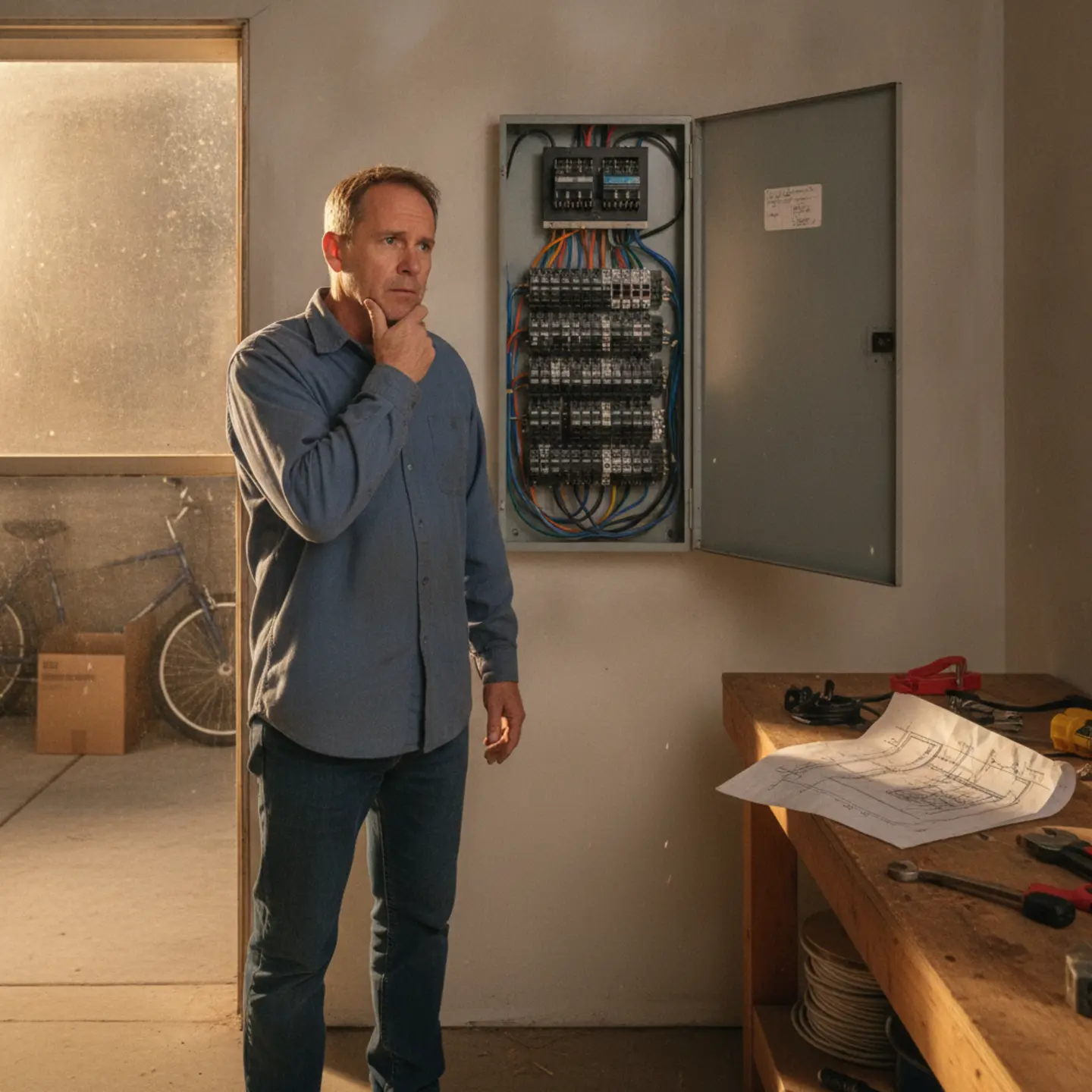
It’s 98 degrees in North Richland Hills. Your AC has been running nonstop since 7 a.m., and now the lights in the kitchen are flickering every time the compressor kicks on. You pull up Google, type “best electrician near me,” and get 50 results — some with five-star ratings, some with phone numbers that go straight to voicemail, and at least a few you’ve never heard of. You have no idea which ones are actually licensed, which ones carry real insurance, and which ones are going to quote you $4,000 for a job that should cost $1,800.
That’s not a hypothetical. That’s Tuesday in DFW during peak summer. And it’s exactly why so many homeowners end up either overpaying, hiring someone who cuts corners, or putting off a repair that quietly becomes a much bigger problem.
This guide is designed to cut through that confusion. We’ll show you how to verify credentials, understand fair pricing, spot red flags before they cost you money, and compare real licensed electricians serving the Dallas-Fort Worth area — including what makes each one different. No pressure, no jargon, just the information you need to make a confident decision.
Why Finding the Right Electrician Matters More Than You Think
Most people treat hiring an electrician the same way they’d hire someone to mow their lawn — find someone available, check the price, get it done. But electrical work is different in a way that actually matters for your safety, your finances, and your home’s legal standing.
When electrical work is done wrong — whether by an unlicensed operator or a licensed one who cuts corners — the consequences aren’t always immediate. A poorly made connection inside your wall doesn’t announce itself. It waits. And according to the National Fire Protection Association, electrical distribution and lighting equipment is involved in an estimated 33,500 reported home structure fires per year in the U.S. A significant portion of those are traced back to faulty wiring, overloaded panels, and work that was never properly inspected.
Beyond fire risk, there’s the legal and financial layer. Electrical work done without permits, or by someone without a valid Texas Electrical Contractor License (TECL), can void your homeowner’s insurance policy if a claim arises from that work. It can also trigger expensive remediation requirements when you try to sell your home — buyers’ inspectors are trained to spot unpermitted work, and lenders won’t close on a property with unresolved code violations.
Unlicensed electricians often look attractive on price. They might quote you $800 for a job a licensed contractor quotes at $1,400. But that $600 difference disappears fast if the work fails inspection, creates a hazard, or has to be redone entirely. The licensed contractor’s quote includes accountability — they’re staking their license on the quality of the work.
A licensed electrician working in DFW is required to follow the National Electrical Code (NEC) and any local amendments adopted by your city. That’s not bureaucratic overhead — those codes exist because every requirement in them was written in response to a real failure that hurt real people. If you’re considering electrical panel installation or upgrades for your home, understanding why proper installation matters is the first step toward making a decision you won’t regret.
🤝 You’re Not Alone — DFW Homeowners Face This Every Day
Feeling overwhelmed by electrical quotes and unsure who to trust? You’re in good company. With over 5,000 licensed electricians in the DFW area, finding the right one is genuinely confusing. The market is competitive, the stakes are real, and the information asymmetry between contractors and homeowners is significant. This guide exists because homeowners like you deserve clarity — not a sales pitch.
The DFW Electrical Market in 2026: What You Need to Know Before Hiring
The Dallas-Fort Worth metroplex is one of the fastest-growing regions in the country, with a population projected to exceed 8 million residents. That growth isn’t slowing down — and it has a direct effect on how hard it is to find a good electrician, how long you might wait, and what you’ll pay.
As of late 2024, there were over 5,000 active TECL-licensed electrical contractors in the broader DFW metro area. That sounds like a lot until you factor in the demand side: new construction in Tarrant County continues at a high pace, aging housing stock across Dallas County requires constant upgrades, and the surge in EV adoption is driving a wave of Level 2 charger installation requests that many contractors are still catching up to.
Here’s a local reality check: approximately 35–45% of homes in Dallas and Tarrant Counties were built before 1980. That means a substantial portion of the housing stock in communities like North Richland Hills, Hurst, and Bedford is running on electrical systems that were designed for a fraction of the load today’s homes demand. Older panels, aluminum wiring, and undersized service entrances are not rare exceptions — they’re common findings in DFW inspections.
Summer months — June through August — represent peak demand for licensed electricians in DFW. The extreme heat puts enormous strain on HVAC systems, which in turn stresses electrical panels. Emergency service calls spike, wait times for non-emergency work stretch out, and contractors are less available for scheduled projects. If you’re planning non-emergency electrical work, scheduling it in November, February, or mid-week during slower months typically means faster response and better contractor availability.
Labor costs in DFW run higher than the national average — a reflection of the region’s strong economy, high cost of living in desirable suburbs, and a genuine shortage of experienced licensed electricians. That’s not a complaint; it’s context. When you see a quote that’s significantly below market rate, the question isn’t whether to celebrate — it’s what’s being left out.
For homeowners in communities like Keller, Southlake, and Colleyville, demand for electrical system upgrades is driven not just by aging infrastructure but by lifestyle upgrades — smart home integration, whole-home surge protection, EV chargers, and expanded outdoor living spaces all require more electrical capacity than older systems were designed to provide.
How to Verify an Electrician’s License and Insurance in Texas
This is the most important section in this entire guide. Everything else — pricing, quotes, reviews — matters less than confirming that the person working on your home’s electrical system is actually qualified and covered. The good news is that Texas makes this easy. The bad news is that most homeowners skip this step entirely.
All electrical contractors operating in Texas must hold a TECL (Texas Electrical Contractor License) issued by the Texas Department of Licensing and Regulation (TDLR). This is not optional, and it’s not a formality — it means the business has a qualifying Master Electrician on record who is legally responsible for the quality and code compliance of all work performed under that license.
Individual electricians working under a contractor must also hold appropriate individual licenses — either a Journeyman or Master Electrician license. A Journeyman has passed a licensing exam and has documented supervised experience. A Master has additional experience and a higher-level exam, and is qualified to supervise others and design systems. When you hire a licensed electrical contractor, you’re hiring a business whose qualifying Master has staked their license on the work being done correctly.
Step-by-Step: Checking TECL License Status Through TDLR
- Go to https://www.tdlr.texas.gov/ and look for the “Verify a License” or “Search Public Records” section.
- Select “Electrical” from the profession dropdown menu.
- Enter the contractor’s business name or the qualifying master electrician’s name.
- Review the results for license status (Active, Expired, Suspended, or Revoked), the expiration date, and any disciplinary actions on record.
- If the status shows anything other than Active, do not hire that contractor — regardless of how good their pitch sounds.
This takes less than five minutes and costs nothing. There is no legitimate reason to skip it. A contractor who discourages you from checking their license is telling you something important about how they operate.
What to Ask About Insurance — and How to Actually Verify It
A TECL license is necessary but not sufficient. You also need to confirm that the contractor carries adequate insurance — specifically, General Liability (which covers property damage) and Workers’ Compensation (which covers injuries to workers on your property).
TDLR requires a minimum of $300,000 per occurrence / $600,000 aggregate for General Liability. Many reputable contractors carry higher limits. Workers’ Compensation requirements depend on whether they have employees. Here’s how to verify:
- Request a current Certificate of Insurance (COI) before any work begins — not after, not during.
- Verify that the COI shows both General Liability and Workers’ Compensation coverage.
- Check the expiration dates on the COI. An expired certificate means no active coverage.
- For larger projects, ask if they’re bonded — not always required but adds an additional layer of protection.
- Never accept verbal assurances about insurance. A legitimate contractor will provide documentation without hesitation.
If a contractor tells you they’re “covered” but can’t produce a COI, that’s a red flag. If something goes wrong on your property — a worker is injured, your drywall is damaged, a wiring error causes a problem — you need documented proof of coverage, not a promise.
Not sure how to read a Certificate of Insurance or what to look for in a TDLR search?
We’re happy to walk you through the verification process or answer questions about what to look for before you commit to any contractor.
Red Flags: How to Spot Unlicensed or Untrustworthy Electricians
The electrical industry, like any skilled trade, has its share of bad actors. Some are unlicensed operators who have never passed a licensing exam. Others hold licenses but run their businesses in ways that prioritize their margin over your safety. Knowing what to watch for protects you from both.
Here are the red flags that should make you stop and reconsider:
- Unsolicited door-to-door visits — Someone shows up claiming to be “in the neighborhood” and offering a special deal. Legitimate licensed contractors don’t solicit work this way.
- Pressure to decide immediately — “This price is only good today” is a sales tactic, not a business practice. A reputable contractor’s pricing doesn’t expire in 24 hours.
- Demand for full payment upfront — A reasonable deposit is normal. Full payment before work is complete is not. It removes your leverage if the work is substandard.
- Vague or verbal estimates — If they won’t put the scope of work and pricing in writing, that’s not an oversight. It’s intentional flexibility that benefits them, not you.
- Refusal to provide license number or insurance documentation — This is disqualifying. Full stop.
- Quotes that are dramatically lower than others — Sometimes this means efficiency. More often, it means something is being left out — permits, materials, proper labor, or code compliance.
- No physical business address — A cell phone number and a truck are not a business. If they can’t tell you where their office is, you have no way to hold them accountable if something goes wrong.
The Better Business Bureau and TDLR both receive complaints about electrical contractors regularly. Common categories include defective workmanship, billing disputes, failure to complete work, and code violations. These aren’t rare edge cases — they’re predictable outcomes when homeowners skip the verification steps outlined above.
⚠️ Red Flag: The Unsolicited Door-to-Door Electrician
If someone shows up at your door claiming to be in the neighborhood and offering a “special deal” on electrical work, this is a major warning sign. Legitimate licensed contractors build their business through referrals, reviews, and repeat customers — not cold knocking. Always verify any contractor’s license independently through TDLR before allowing work to begin, and never let pressure tactics rush a decision that affects your home’s safety.
Understanding Electrical Costs in DFW: What’s Fair Pricing in 2026?
One of the most common sources of anxiety when hiring an electrician is not knowing whether a quote is reasonable. The range between the lowest and highest bids for the same job can be surprisingly wide — and both extremes can be legitimate, or both can be warning signs. Here’s what the numbers actually look like in the DFW market.
These are 2026 estimates based on current DFW market conditions. Actual costs will vary based on your home’s age, the complexity of the job, which city you’re in, and which contractor you hire. But these ranges give you a reasonable baseline for evaluating quotes.
Why DFW Electrical Costs Run Higher Than National Averages
The national average hourly rate for electricians runs $100–$175. DFW’s $90–$150 range is competitive within Texas, but still higher than many markets nationally. Several factors drive this:
- Strong regional economy — High demand for skilled trades across construction, commercial, and residential sectors keeps labor rates elevated.
- Skilled labor shortage — The supply of licensed electricians hasn’t kept pace with population growth and construction volume. When demand exceeds supply, prices reflect it.
- Extreme summer heat — DFW’s triple-digit summers create more emergency calls, more panel failures, and more AC-related electrical issues than most markets experience. Emergency rates run 1.5x–2x standard rates.
- Travel distances — The metroplex is geographically large. Contractors serving Arlington, Lewisville, and Irving may add trip charges for longer service calls.
- Permit and inspection fees — These vary by city and add to total project costs in ways that out-of-area pricing guides don’t capture.
The Hidden Costs Nobody Mentions in Their Quote
The number on the quote isn’t always the number you pay. Here’s what can add to your final invoice:
- Permit fees — These vary significantly across DFW cities. Dallas, Fort Worth, Plano, Frisco, and North Richland Hills all have different fee structures, ranging from $50 to $500+ depending on project scope.
- Inspection fees — In some municipalities, inspection fees are separate from permit fees. Re-inspections if work needs correction add more.
- After-hours surcharges — Evening, weekend, and holiday calls typically carry a 1.5x–2x surcharge. If your panel trips at 10 p.m. on a Saturday, you’re paying emergency rates.
- Code upgrade requirements — New work can trigger mandatory upgrades to meet current NEC standards. Adding a circuit may require AFCI breakers throughout a bedroom circuit. Adding an outlet near a sink may require GFCI protection on the entire bathroom circuit.
- Wall opening and repair — Running new wiring through finished walls means cutting drywall. Repair costs may or may not be included in the electrical quote.
- Material cost fluctuations — Copper prices, breaker availability, and panel costs fluctuate. A quote from three months ago may not reflect current material pricing.
💡 Pro Tip: The Best Time to Get Quotes Is Off-Season
DFW electricians are slammed June through August and after major storms. If your electrical issue isn’t an emergency, scheduling quotes in November, February, or mid-week during slower months typically means faster response times and better contractor availability. Pricing is usually consistent year-round, but the difference in how quickly you can get a quality contractor’s attention is significant.
Not sure if your situation needs a full panel upgrade or just a targeted repair?
That’s exactly what a free estimate is designed to answer — no obligation, just honest advice about what your home actually needs.
How to Get Accurate Quotes and Compare DFW Electricians Intelligently
Getting multiple quotes isn’t about finding the cheapest option. It’s about understanding what the market looks like for your specific job, identifying outliers in either direction, and getting a feel for how different contractors communicate and present themselves. All of that matters.
For any job over $500, getting 2–3 written quotes is strongly recommended. Consumer research consistently shows that homeowners who get multiple quotes are better positioned to make confident decisions — not just because they have pricing data, but because the process of comparing proposals reveals a lot about how each contractor operates.
When reviewing quotes, look beyond the bottom line. A quote that’s 30% lower than the others deserves scrutiny — ask what’s excluded. A quote that’s 30% higher also deserves scrutiny — ask what justifies the premium. The goal is to understand what you’re actually comparing, not just which number is smallest.
Check online reviews on Google, Angi, Yelp, and Nextdoor — but look for patterns, not individual data points. One negative review in 200 is noise. Five reviews in 50 that mention the same issue is a signal. Pay attention to how companies respond to negative reviews — that tells you as much about their character as the review itself.
What Should Be Included in a Written Electrical Estimate
A professional written estimate isn’t just a number on a piece of paper. Here’s what it should include:
- Detailed description of work — Not “panel work” but “upgrade existing 100A panel to 200A service, including new main breaker, 40-space panel, updated grounding, and coordination with utility for meter pull.”
- Itemized breakdown — Labor, materials, and permit costs listed separately so you can see where the money goes.
- Timeline — Estimated start date, completion date, and any contingencies (permit approval, utility scheduling).
- Warranty on workmanship — Typically 1–2 years. If a contractor won’t stand behind their work, that’s a concern.
- Payment terms — Deposit amount, milestone payments if applicable, and final payment schedule.
- Cleanup expectations — Who is responsible for drywall repair, debris removal, and site restoration.
- Contractor’s license number, insurance info, and business address — This should be on every professional proposal.
Transparent companies welcome reference checks and are comfortable with you verifying their credentials independently. If a contractor gets defensive when you ask for documentation or references, that’s your answer.
🔍 What’s the Difference Between a Journeyman and Master Electrician?
A Journeyman has passed a licensing exam and has documented supervised experience — they can perform electrical work under a Master Electrician’s supervision. A Master Electrician has additional experience, has passed a higher-level exam, and is qualified to supervise others and design electrical systems. When you hire a licensed electrical contractor, their qualifying Master Electrician is legally responsible for the work. For most residential projects, hiring a contractor with an active TECL — which requires a qualifying Master — ensures you have the right level of competency and accountability on your job.
Top 5 Electricians Serving Dallas-Fort Worth: Compared and Reviewed
The DFW market has no shortage of licensed electricians, but the contractors below have established reputations in their service areas based on consistent customer feedback, specialization, and community presence. All listed contractors maintain active TECL licenses — verify each one at tdlr.texas.gov before hiring.
Each of these providers brings different strengths. Some specialize in older homes and legacy systems. Some offer multi-trade convenience. Some are known for their diagnostic approach. Understanding what differentiates them helps you match the right contractor to your specific situation.
1. Epic Electrical — North Richland Hills
Address: 7304 Hialeah Cir W, North Richland Hills, TX 76182
License: Active TECL (verify at TDLR)
Service Area: Dallas-Fort Worth metroplex, specializing in Tarrant County suburbs
Specialties: Residential panel upgrades, rewiring, EV charger installation, emergency repairs
What Sets Them Apart: Epic Electrical is a father-son family business with third-generation electrical experience. Their reputation is built on a straightforward principle: tell customers what they actually need, not what generates the biggest invoice. If there’s a cheaper fix, they’ll say so. If you don’t need the expensive repair, they’ll tell you that too. That kind of transparency is rarer than it should be in the trades.
Customer Feedback: Known for honest, no-pressure communication and clear explanations of what work is needed and why. Strong word-of-mouth and community referrals throughout Tarrant County suburbs. Customers consistently note that they feel informed rather than sold to. Learn more about their North Richland Hills electrical services.
2. Dallas Electrical Repair — Fort Worth
Address: 6140 Heritage Pkwy, Fort Worth, TX 76116
License: Active TECL (verify at TDLR)
Service Area: Fort Worth and surrounding NE Tarrant County suburbs
Specialties: Diagnostic services, panel work, repairs, efficiency assessments
What Sets Them Apart: Strong emphasis on finding root causes rather than applying quick fixes. Their diagnostic approach is particularly valued by homeowners who’ve had recurring issues that other contractors couldn’t resolve.
Customer Feedback: Generally positive reviews for professionalism and clear communication. Occasional mentions of scheduling delays during peak summer months — which is common across the market. Read more about Fort Worth electrical services and what to expect from local contractors.
3. Marcum Electric — Grapevine
Address: 1701 W Northwest Hwy, Grapevine, TX 76051
License: Active TECL (verify at TDLR)
Service Area: Grapevine, Colleyville, and surrounding areas
Specialties: Legacy system upgrades, knob-and-tube remediation, aluminum wiring replacement, complex rewiring projects
What Sets Them Apart: Marcum has built a strong reputation specifically around older homes — the kind of work that requires more experience and patience than standard residential service. If your home has knob-and-tube wiring or aluminum branch circuits, their specialization is directly relevant.
Customer Feedback: Consistently high ratings with particular praise for thoroughness and safety compliance. Trusted for specialized, high-complexity work. Their service area overlaps with Grapevine electrical services and surrounding Tarrant County communities.
4. Sunlight Electrical Services — Hurst
Address: 400 Grapevine Hwy, Hurst, TX 76054
License: Active TECL (verify at TDLR)
Service Area: Hurst, Euless, Bedford (Mid-Cities), and nearby communities
Specialties: Residential electrical needs, lighting, outlets, safety inspections, maintenance plans
What Sets Them Apart: Sunlight offers a “Peace of Mind” maintenance plan with annual electrical safety checks at a discounted rate — a preventive care model that appeals to homeowners who prefer to stay ahead of problems rather than react to them.
Customer Feedback: Known for reliable service, fair pricing, and prompt response times. Positive feedback on the range of services offered. Occasional complaints about booking availability during peak summer months. They serve the Euless and Hurst communities extensively.
5. Pro-Serve Inc. — Arlington (Multi-Service)
Address: 2017 Crystal Creek Dr, Arlington, TX 76011
License: Active TECL (verify at TDLR)
Service Area: Broader Tarrant County including NE suburbs
Specialties: Electrical, plumbing, HVAC — coordinated multi-service solutions
What Sets Them Apart: Pro-Serve is a one-stop shop for multiple trades, which is genuinely convenient when a project involves coordinating electrical, plumbing, and HVAC work. The tradeoff is that multi-service companies sometimes price at a premium compared to specialized electrical-only contractors.
Customer Feedback: Solid reviews with appreciation for the convenience of bundled services. Technicians praised for professionalism. Some reviewers note higher pricing compared to specialized electrical contractors. Their Arlington electrical service area overlaps with several NE Tarrant County communities.
Common Electrical Issues in DFW Homes and When to Call a Licensed Electrician
Some electrical issues are clearly emergencies. Others feel minor but are actually early warning signs of something more serious. Knowing the difference helps you act at the right time — before a small problem becomes an expensive or dangerous one.
Here are the most common electrical issues DFW homeowners encounter, and what they typically mean:
- Frequently tripping breakers — A breaker that trips occasionally is doing its job. One that trips repeatedly on the same circuit is telling you that circuit is overloaded or has a wiring fault. This needs professional diagnosis, not just resetting the breaker.
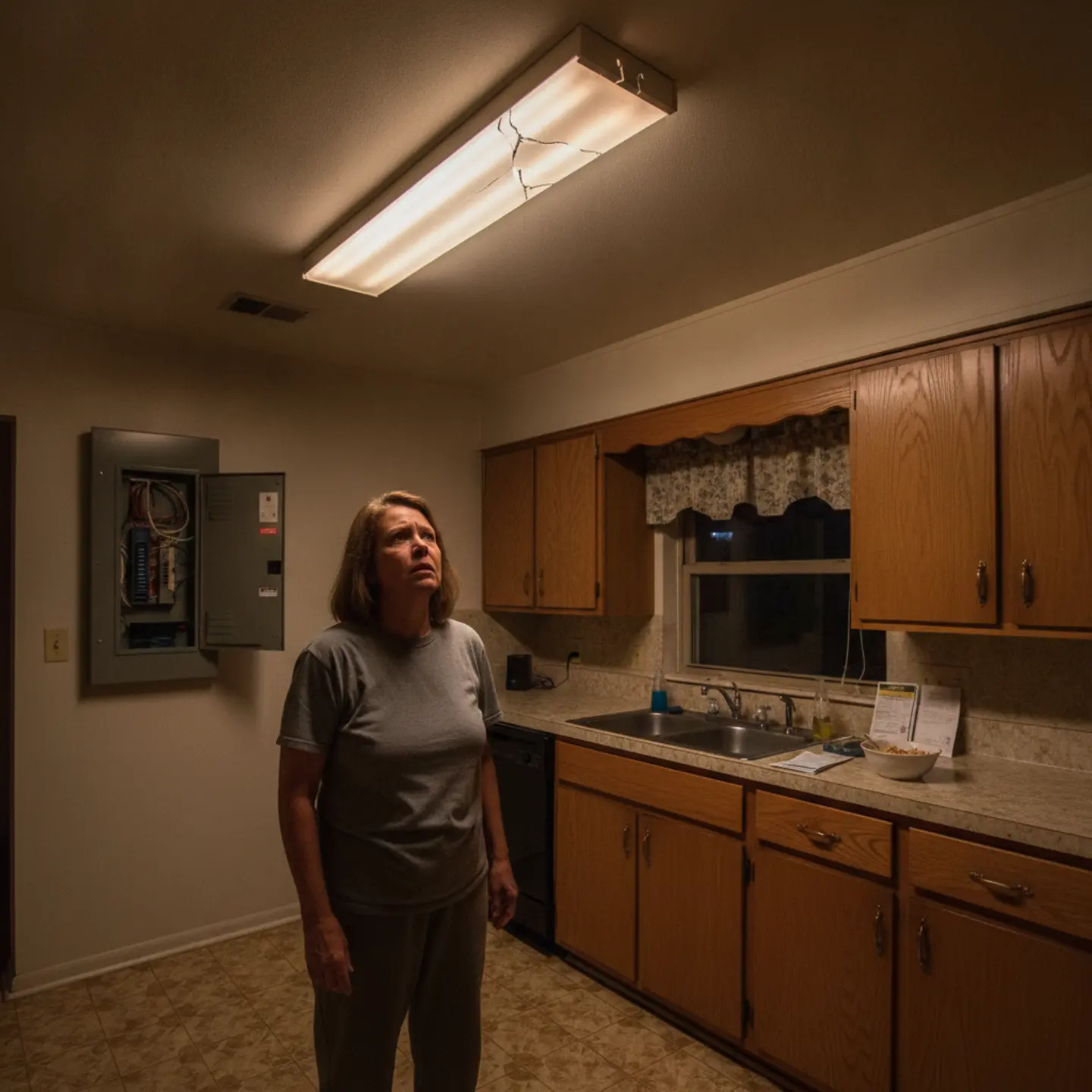
- Flickering lights — Occasional flickering when a large appliance starts is usually normal. Persistent flickering, or flickering that affects multiple rooms, can indicate loose connections, a failing breaker, or a panel issue that warrants inspection.
- Burning smell or scorch marks near outlets or panels — This is an immediate fire hazard. Don’t wait. Call an electrician the same day. Scorch marks around an outlet or a burning smell from your panel means something is already overheating.
- Outdated panels — 60-amp service panels, Federal Pacific Electric (Stab-Lok) panels, and Zinsco panels are known safety risks. These aren’t just “older” — they have documented failure modes that increase fire risk. If your home has one of these, an upgrade isn’t optional, it’s overdue.
- Aluminum wiring — Common in DFW homes built in the 1960s and 1970s, aluminum branch circuit wiring is prone to connection failures and overheating at connection points. It’s not an immediate emergency in most cases, but it requires professional assessment and typically some form of remediation.
- No GFCI outlets in bathrooms, kitchens, or garages — This is both a code violation and a shock hazard. GFCI protection is required in any area where water and electricity are in proximity. If your older home doesn’t have these, it’s a straightforward upgrade that significantly improves safety.
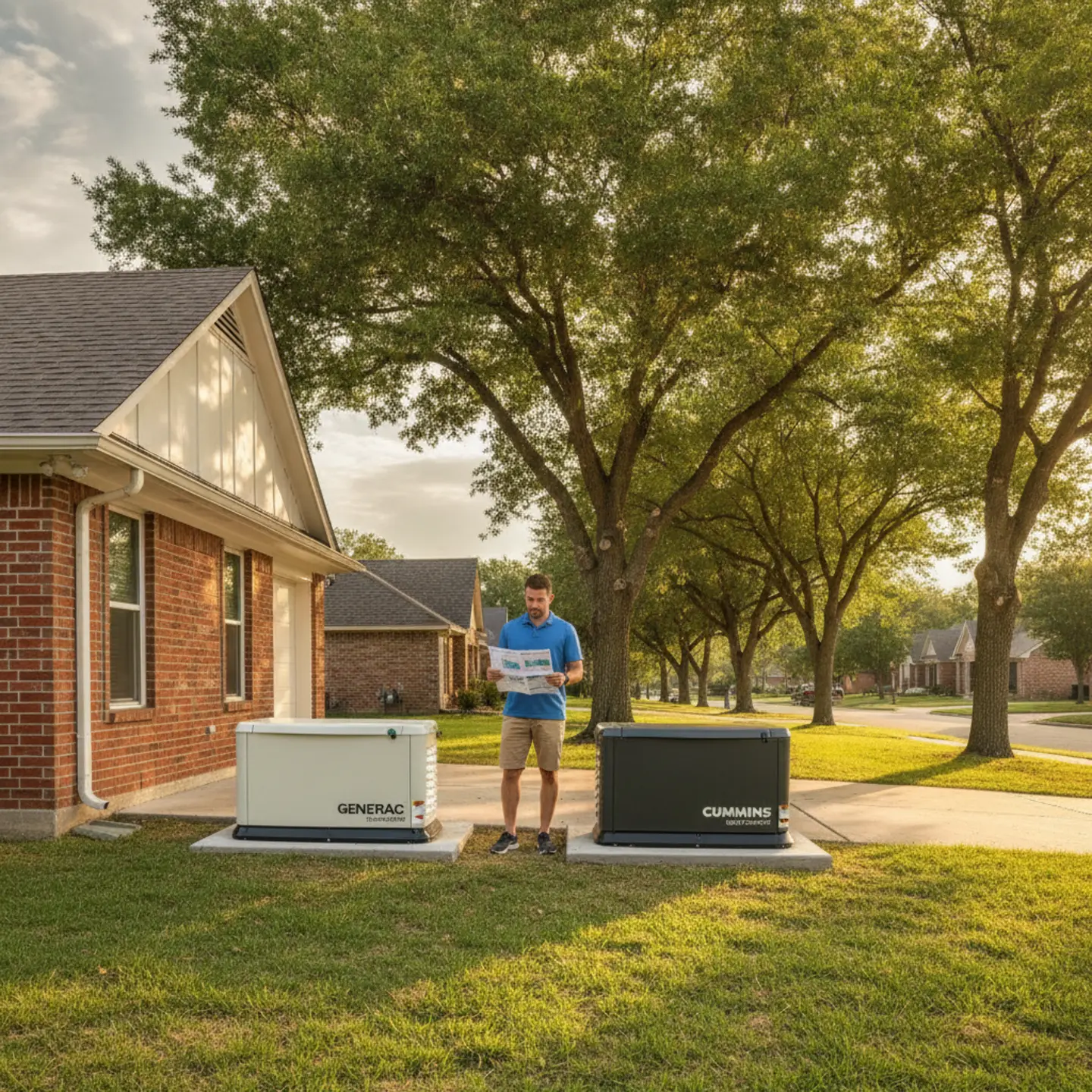
- Adding major electrical loads — Installing an EV charger, hot tub, or new HVAC system? Your existing panel may not have the capacity. A professional assessment before installation prevents problems after.
An electrical safety inspection can identify hidden problems before they become emergencies — and in many cases, the cost of an inspection is a fraction of what a reactive repair or fire remediation would run.
Permits, Inspections, and Code Compliance: What DFW Homeowners Need to Know
Permits are one of the most misunderstood parts of the electrical contracting process. Some homeowners see them as unnecessary overhead. Some contractors skip them to save time or money. Both of those perspectives are wrong — and potentially costly.
Most electrical work beyond simple fixture replacement requires a permit from your city or county building department. This includes panel upgrades, new circuits, rewiring, EV charger installation, and service entrance work. The permit process exists to ensure that an independent inspector — someone who works for the city, not the contractor — verifies that the work meets current safety codes before it’s closed up inside your walls.
In the DFW area, permit fees and inspection requirements vary by municipality. Dallas, Fort Worth, Plano, Frisco, and North Richland Hills all have different fee structures and processes. Your licensed contractor is responsible for knowing which jurisdiction applies to your address and obtaining the correct permits before work begins. If a contractor tells you permits “aren’t necessary” for a job that clearly requires one, that’s a red flag.
The current standard in Texas is the NEC 2023 (National Electrical Code, 2023 edition), adopted with local amendments. NEC 2026 updates are on the horizon and may introduce additional requirements around EV charging infrastructure and energy efficiency. Your contractor should be current on which version applies in your city and what local amendments are in effect.
Why Permits Protect You — Not Just the Contractor
Permits aren’t bureaucratic inconvenience. They’re a layer of protection that works in your favor:
- Insurance coverage — Unpermitted electrical work can void homeowner’s insurance claims if damage is traced back to that work. This is not a hypothetical — insurers investigate the cause of electrical fires and water damage, and unpermitted work gives them grounds to deny coverage.
- Home sale issues — Buyers’ inspectors are trained to identify unpermitted work. Flagged electrical work can kill a deal, require expensive remediation before closing, or result in price reductions that far exceed what the permit would have cost.
- Safety compliance — The inspection process ensures that AFCI and GFCI requirements are met, grounding is correct, and the work was actually done to code — not just claimed to be.
- Liability protection — If someone is injured due to faulty unpermitted electrical work, you as the homeowner could bear liability. A permitted and inspected job provides a documented record of code compliance.
- Peace of mind — An inspector’s sign-off is independent confirmation that the work is safe. That’s worth something.
🏠 Aluminum Wiring? You’re Not Dealing With a Rare Problem
If your DFW home was built between the mid-1960s and late 1970s, there’s a meaningful chance it has aluminum branch circuit wiring. This was a common building practice during a period when copper prices spiked. Aluminum wiring isn’t an automatic emergency, but connection failures and overheating at outlets and switches are real risks that increase over time. Many homeowners don’t know they have it until an inspection reveals it. A professional assessment can determine whether remediation — typically adding copper pigtails at connection points — is needed and what it would cost.
Wondering if your home’s electrical system is up to current code?
A comprehensive safety inspection can identify issues — from aluminum wiring to outdated panels — before they become emergencies. No obligation, just a clear picture of where things stand.
The Real Cost of Delaying Electrical Repairs in DFW
There’s a version of this conversation where we try to scare you into acting immediately. That’s not what this is. But there are genuine financial and safety consequences to deferring electrical repairs that are worth understanding clearly — because the math usually doesn’t favor waiting.
The NFPA reports that electrical failures cause hundreds of deaths and thousands of injuries annually in the U.S., with an estimated 33,500 home structure fires per year attributed to electrical distribution and lighting equipment. Outdated panels, deteriorating wiring, and deferred maintenance are consistent contributing factors. That’s not a scare statistic — it’s the documented outcome of electrical systems that weren’t maintained or upgraded when they should have been.
“Emergency repair calls in DFW run 1.5x–2x standard rates. The panel that costs $2,200 to upgrade proactively can cost $4,000+ to address after a failure — plus the cost of whatever the failure damaged.”
Here’s what deferred electrical maintenance actually costs in practical terms:
- Emergency repair surcharges — When a panel fails at 9 p.m. on a Friday in August, you’re paying emergency rates. That 1.5x–2x multiplier on an already elevated DFW labor rate adds up fast.
- Appliance damage — Overloaded panels and faulty wiring can damage expensive appliances — HVAC systems, water heaters, refrigerators. A $300 repair deferred can become a $3,000 appliance replacement.
- Insurance complications — Insurers may deny claims or reduce payouts if damage is caused by a known, deferred electrical issue. “You knew the panel was outdated” is not a defense when the adjuster asks why you didn’t address it.
- Aluminum wiring escalation — Connection failures in aluminum wiring systems worsen over time. What’s a $1,500–$2,500 remediation project today can become a much larger job if connections fail and cause secondary damage.
- Home value impact — Outdated electrical systems are deal-breakers for buyers and their lenders. A 200A panel, updated wiring, and GFCI/AFCI compliance are selling points. A 60-amp panel with aluminum wiring and no GFCI protection is a price reduction or a failed inspection.
- DFW summer heat amplification — Extreme temperatures increase the load on residential HVAC systems, which increases the load on electrical panels. Aging systems that might function adequately in moderate climates fail more frequently under DFW summer conditions.
The point isn’t to create urgency for its own sake. It’s that the financial case for proactive electrical maintenance is usually stronger than the case for waiting. A scheduled electrical safety inspection is a low-cost way to understand exactly where your system stands — and whether there’s anything that genuinely needs attention now versus something that can wait.
For homeowners in communities like Watauga, Benbrook, and Denton — where a significant portion of the housing stock dates to the 1970s and 1980s — the combination of aging infrastructure and extreme summer heat creates a particularly compelling case for staying ahead of electrical issues rather than reacting to them.
Frequently Asked Questions About Finding and Hiring Electricians in DFW
How can I be sure an electrician is actually licensed and not just someone who says they are?
The most reliable method is to verify directly with the Texas Department of Licensing and Regulation (TDLR) using their free online license verification tool at tdlr.texas.gov. Search by the contractor’s business name or the qualifying master electrician’s name, and check for Active status, expiration date, and any disciplinary actions on record. This takes less than five minutes and costs nothing. Never accept verbal assurances — a contractor who hesitates to provide their license number is telling you something important about how they operate.
Do I really need a permit for electrical work, and who is responsible for getting it?
Yes — most electrical work beyond simple fixture replacement requires a permit from your local city or county building department. This includes panel upgrades, new circuits, EV charger installations, and rewiring projects. The licensed electrical contractor performing the work is responsible for obtaining the permit and scheduling the required inspections. Unpermitted electrical work can void your homeowner’s insurance coverage if a claim arises, and buyers’ inspectors will flag it when you sell — creating costly remediation requirements or deal-breaking complications at closing.
What kind of insurance should my electrician have, and how do I check it?
A reputable electrician should carry both General Liability insurance — which covers property damage that occurs during the job — and Workers’ Compensation insurance, which covers injuries to workers on your property. TDLR requires a minimum of $300,000 per occurrence / $600,000 aggregate for General Liability, though many reputable contractors carry higher limits. Ask for a current Certificate of Insurance (COI) before work begins, verify that both coverage types are listed, and check the expiration dates. An expired COI means no active coverage — always get documentation in writing, not just a verbal assurance.
How do I avoid getting scammed by an electrical contractor?
The most reliable protection is following a consistent verification process: check the TECL license at TDLR, request a Certificate of Insurance, get multiple written quotes, and check reviews on Google, Angi, and Nextdoor. Be wary of unsolicited door-to-door visits, pressure for immediate decisions, demands for full upfront payment, vague verbal estimates, and refusal to provide license or insurance documentation. Reputable contractors provide clear written proposals, welcome reference checks, and don’t pressure you to decide before you’re ready. If something feels off about how a contractor is communicating, trust that instinct.
When is it necessary to upgrade my home’s electrical panel?
Consider upgrading if your panel is a known problem brand (Federal Pacific Electric Stab-Lok or Zinsco), if you’re running on 60-amp service (inadequate for modern homes), if breakers trip frequently, if the panel shows rust or physical damage, or if you’re adding major new loads like an EV charger, hot tub, or additional HVAC equipment. In DFW specifically, the extreme summer heat increases the load on panels significantly — aging systems that might function adequately in a milder climate are more likely to fail under the sustained demand of a Texas summer. A professional assessment can tell you whether your current panel has the capacity for your needs or whether an upgrade is warranted.
Should I get multiple quotes for an electrical job, even if it seems small?
For most jobs beyond simple outlet or switch replacements, getting 2–3 quotes is highly recommended. Multiple quotes give you a realistic sense of market pricing for your specific job, help you identify outliers in either direction, and give you a feel for how different contractors communicate and present themselves. The process of comparing proposals often reveals as much about a contractor’s professionalism as the price itself — a detailed, itemized written estimate from a contractor who asks good questions about your situation is a positive signal. Consumer research consistently shows that homeowners who get multiple quotes make more confident decisions and are less likely to experience post-hire regret.
Ready to Find the Right Electrician for Your DFW Home?
You’ve done the homework. You know what to look for, what to ask, and what fair pricing looks like in this market. The next step is getting a clear picture of your specific situation — without pressure, without jargon, and without being sold something you don’t need.
Epic Electrical is a licensed, insured, family-owned electrical contractor serving the Dallas-Fort Worth area from North Richland Hills. If there’s a cheaper fix, we’ll tell you. If you don’t need the expensive repair, we’ll say so. That’s how we’ve built our reputation — and it’s how we’d like to earn yours.
Get a free, no-obligation estimate and find out exactly what your home’s electrical system needs — nothing more, nothing less.
Serving Fort Worth · Arlington · Keller · Southlake · Colleyville · Grapevine · North Richland Hills · Hurst · Euless · Bedford · Watauga · Benbrook · Irving · Lewisville · Denton and all of DFW