Key Takeaways
- Electrical Permit Is Mandatory — Any new electrical installation, significant system alteration, or change of business use triggers a mandatory electrical permit requirement before your Certificate of Occupancy can be issued in DFW.
- Only a TECL-Licensed Contractor Can Pull the Permit — Texas law (Occupations Code Chapter 1305) requires an active Texas Electrical Contractor License (TECL) to pull commercial electrical permits. Verify any contractor’s license at tdlr.texas.gov before signing anything.
- Budget $3,000–$50,000+ for CO-Related Electrical Work — Total electrical costs vary widely by space type: offices typically run $3,000–$15,000, while restaurant buildouts can exceed $50,000. Permit fees in DFW cities range from $75 to $1,000+ depending on project scope.
- Opening Without a Valid CO Carries Serious Consequences — City fines of $500–$2,000+ per day, insurance claim denials, forced closure orders, and personal liability exposure are all real risks of occupying a commercial space without a valid Certificate of Occupancy.
- Trust Epic Electrical for Licensed Commercial Permit Work Across DFW — Master electricians with 60+ years of combined experience, TECL #33192 — visit Epic Electrical to get your commercial CO electrical work handled right.
Do I Need an Electrical Permit for a Commercial Certificate of Occupancy in DFW?
Yes—if you’re doing any new electrical work, altering existing systems, or changing your business type, an electrical permit is mandatory for your Certificate of Occupancy. This isn’t optional paperwork; it’s a legal requirement that ensures your electrical system meets current safety codes and passes inspection. Skipping it exposes you to city fines, insurance claim denials, forced closure, and serious safety risks.
Understanding when and why you need a permit—and what it costs—can save you months of delays and thousands in unexpected expenses.
Epic Electrical
Free Quote & Honest Diagnosis — No Upsells
Core Service Programs:
- Electrical Repairs, Wiring & Lighting for tripping breakers, faulty wiring, GFCI issues, and indoor/outdoor lighting
- EV Chargers, Generators & Panel Upgrades for Level 2 EV charging, whole-home generator installs, panel replacements, and surge protection
- Commercial, Warehouse & Industrial Electrical for restaurants, offices, industrial buildouts, LED retrofits, and dedicated circuits
Why Choose Epic Electrical:
- ✓ Trusted by customers with 138+ five-star Google reviews
- ✓ Master electricians with over 60 years of combined experience
- ✓ Serving North Richland Hills and the DFW Metroplex since 2009
- ✓ 60+ years of combined electrical experience on every job
- ✓ No upsells, no jargon, no pressure — we fix what’s actually broken
- ✓ Small repairs fixed same-visit; big jobs get a written quote with no hidden costs
- ✓ Texas-licensed electrical contractor (TECL #33192)
When Do You Actually Need an Electrical Permit for a Commercial CO in DFW?
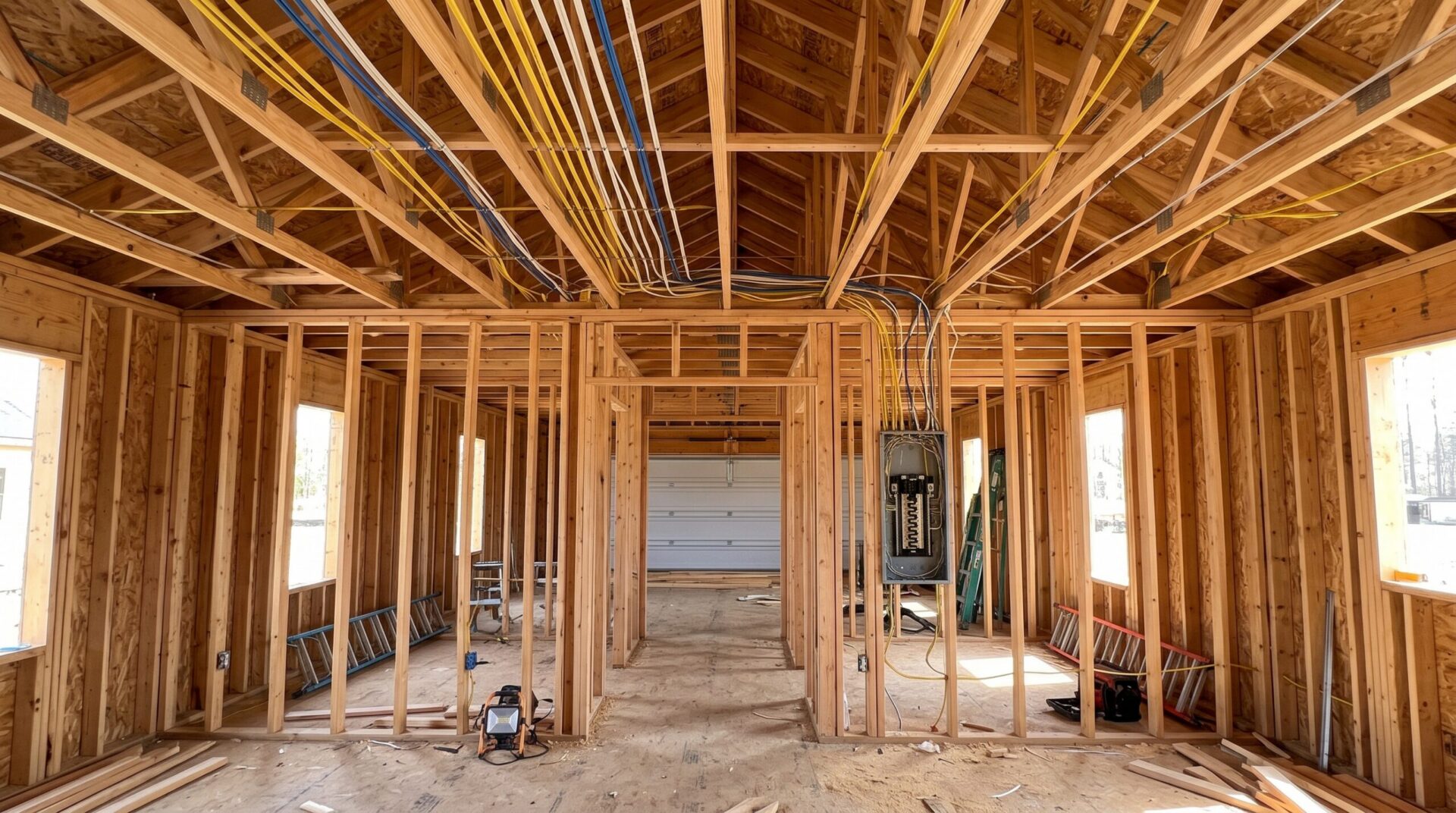
The short answer: more often than most business owners expect. Any time you touch the electrical system in a meaningful way—or when the nature of your business changes—a permit is required. Here’s what actually triggers the requirement in DFW municipalities:
- New electrical installations: Adding circuits, outlets, fixtures, or wiring of any kind requires a permit, no exceptions.
- Significant alterations to existing systems: Relocating panels, reconfiguring circuits, or upgrading service entrance capacity all trigger permit requirements.
- Change of business use: Moving from retail to restaurant, or office to daycare, almost always requires a new CO and new electrical permits. Different uses carry different load and safety requirements under the National Electrical Code (NEC).
- Increased electrical load: If your new business needs substantially more power than the previous tenant—think commercial kitchen equipment or industrial machinery—a service entrance upgrade will be required, and that absolutely needs a permit.
- New lease in a vacant or un-permitted space: A space that’s been sitting empty or was never properly permitted for its prior use will typically require a fresh electrical inspection as part of the CO application process.
- Tenant improvement (TI) projects: Any TI work involving electrical changes requires permits in every DFW municipality—Fort Worth, Arlington, North Richland Hills, Grapevine, and beyond.
In DFW’s active commercial market, tenant improvements for new restaurants, retail shops, and office spaces are among the most common CO triggers right now. If you’re signing a new commercial lease and planning any buildout, assume you’ll need an electrical permit and plan accordingly.
If you’re unsure whether your specific situation qualifies, our team at Epic Electrical can walk you through the requirements for your city before you commit to a timeline. You can also review our guide on commercial electrical system requirements for additional context on what inspectors look for.
The Real Cost of Commercial Electrical Permits and CO-Related Work in DFW
One of the biggest mistakes business owners make is underestimating the full cost of getting a commercial space up to code. Permit fees are just the beginning. Here’s a realistic breakdown of what you’re actually looking at in 2026.
💡 Budget for Reinspection Fees Early
Most DFW cities charge $50–$150 per reinspection if your electrical work fails initial inspection. Build this into your project budget and timeline to avoid surprises.
| Cost Category | Typical Range (DFW, 2026) | Notes |
|---|---|---|
| Electrical Permit Fee (minor work) | $75–$150 | Adding a few circuits or outlets |
| Electrical Permit Fee (larger TI) | $500–$1,000+ | Full tenant improvement or service upgrade |
| Office Space Electrical (total) | $3,000–$15,000+ | Data drops, cubicle power, lighting |
| Retail Space Electrical (total) | $5,000–$25,000+ | Lighting, outlets, signage, display power |
| Restaurant Buildout Electrical (total) | $15,000–$50,000+ | Kitchen equipment, exhaust, specialized circuits |
| Light Industrial / Warehouse (total) | $8,000–$40,000+ | Machinery power, specialized lighting, distribution |
| Panel Upgrade or Addition | $3,000–$10,000+ | Triggered by capacity shortfalls |
| Service Entrance Upgrade | $8,000–$25,000+ | Major project; required for high-load uses |
| Emergency Lighting & Exit Signage | $1,000–$5,000+ | Required by fire code in most commercial spaces |
| GFCI / AFCI Protection Upgrades | $50–$150 per device | Modern NEC editions have expanded requirements |
| Reinspection Fee (per visit) | $50–$150 | Charged after a failed inspection |
Spaces that have never held a CO typically cost more to bring up to code than spaces with a prior CO for a similar use—because inspectors may require the entire electrical system to meet current NEC standards, not just the new work. Most DFW cities have adopted the 2020 NEC edition, with some transitioning to the 2023 edition; always verify with your specific city’s building department.
For business owners concerned about managing these costs, it’s worth understanding your financing options for electrical projects before your buildout begins.
Texas Law and Licensing: Who Can Pull Your Commercial Electrical Permit
This is where a lot of business owners get burned. Not every electrician who shows up with a truck and a tool belt is legally authorized to pull a commercial electrical permit in Texas. The rules are clear, and the consequences of ignoring them are real.
Under Texas Occupations Code, Chapter 1305, only a licensed Texas Electrical Contractor (TECL) can legally pull commercial electrical permits. The contracting company must have a licensed Master Electrician designated as the person of record for all permits—meaning they’re legally responsible for the work performed. Journeyman electricians can perform work under a Master’s supervision, but they cannot pull permits independently.
Before hiring any electrician for your DFW commercial CO project, verify their TECL license number at tdlr.texas.gov. It takes two minutes and can save you months of headaches. Epic Electrical operates under TECL #33192, and we’re happy to provide that documentation upfront.
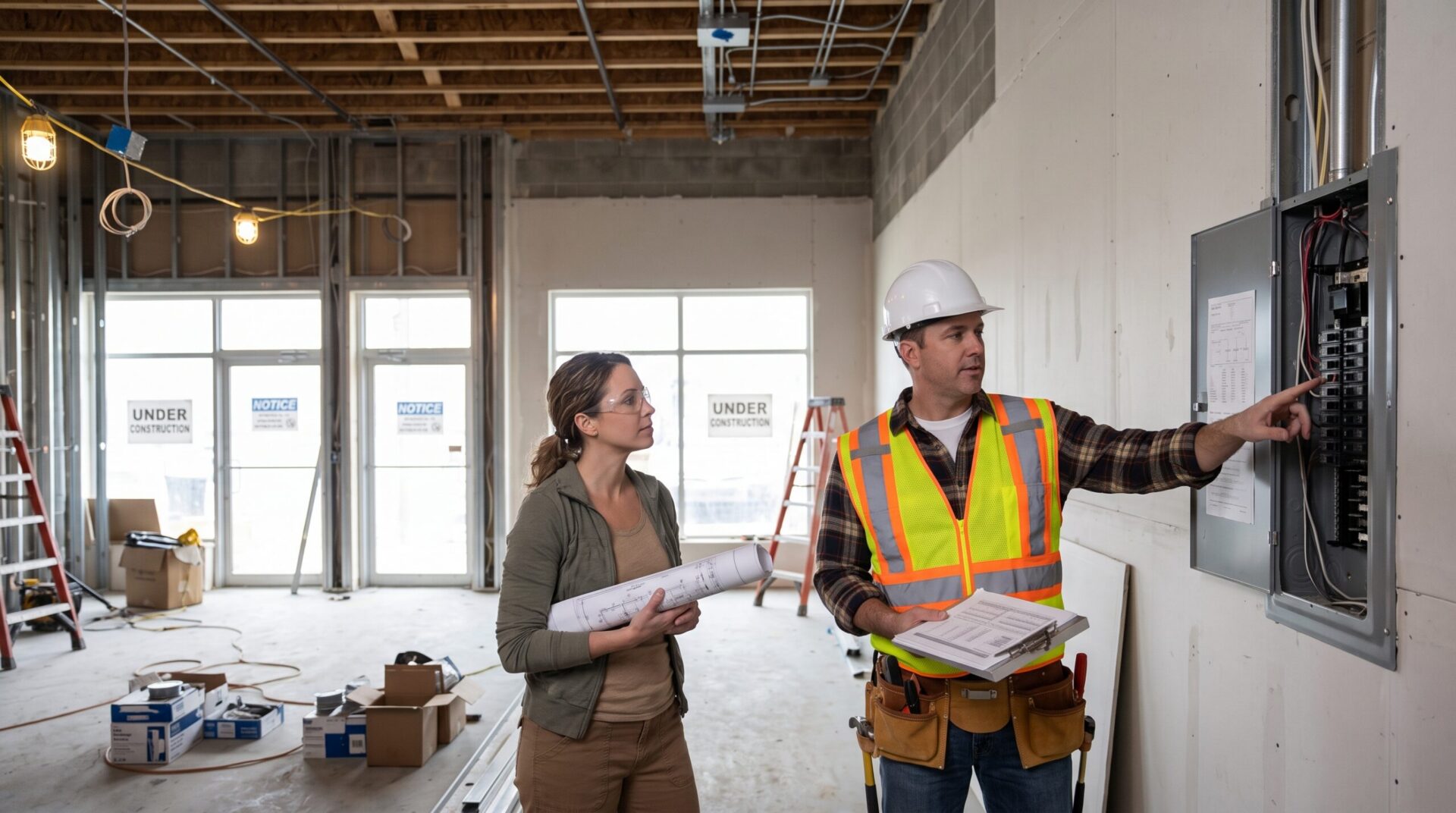
The local fire marshal also plays a role in the CO process. Fire safety electrical elements—emergency lighting, exit signage, panel clearances, and fire alarm system connections—must pass fire marshal inspection in addition to the standard building department electrical inspection. Both agencies have to sign off before your CO is issued.
One more thing worth knowing: your lease agreement almost certainly requires a valid CO before you take occupancy. Landlords enforce this strictly, and they’re within their rights to do so. If you’re working with a licensed commercial electrician who handles the full permit process, this is a non-issue. If you’re not, it becomes a very expensive problem very quickly.
The Permit and Inspection Timeline: How Long Will This Really Take?
The most common reason business owners miss their planned opening date isn’t the construction itself—it’s the permitting and inspection process. Here’s what a realistic timeline looks like for a standard commercial tenant improvement in DFW:
Months is the realistic minimum timeline from permit application to CO issuance for a standard DFW tenant improvement project.
- Permit application and review: 1–4 weeks, depending on the city’s workload and how complete your submitted plans are. Incomplete applications restart the clock.
- Electrical work execution: 1 week to several months, depending on the scope. A simple office buildout moves faster than a full restaurant kitchen installation.
- Inspection scheduling: Rough-in and final inspections each require 1–3 business days to schedule in most DFW cities.
- Final CO issuance: After all trades (electrical, plumbing, mechanical, building, fire) pass inspection and all departments approve, CO issuance takes another 1–5 business days.
Complex projects, permit backlogs, or failed inspections can push that timeline significantly further. Every week of delay costs you in extended overhead, lost revenue, and potentially additional labor charges if your contractor has to return for reinspection visits.
The best thing you can do is start the permitting process as early as possible—ideally before your lease even begins. An experienced Fort Worth commercial electrician who regularly pulls permits in your specific city will know the local department’s quirks, typical review times, and what inspectors commonly flag.
Red Flags: How Electricians and Landlords Mislead Commercial Tenants
It happens more than you’d think. Business owners, eager to open their doors and start generating revenue, are told what they want to hear by contractors or landlords who either don’t know the rules or are cutting corners. Here’s what to watch for:
⚠️ Red Flag: “No Permit Needed” for Substantial Electrical Work
If an electrician tells you a permit isn’t required for significant electrical work in your commercial space, that’s a major red flag—and likely illegal. Walk away and verify with your city’s building department directly.
- “No permit is needed” for substantial work: Any electrician who says this about real electrical work is either uninformed or cutting corners. Either way, you’re the one who faces the consequences.
- Work performed under a residential license: A residential-only license does not authorize commercial electrical work. This is a violation of Texas law and will not pass a commercial CO inspection.
- Permit pulled but never closed out: Some contractors pull the permit to satisfy your initial questions, complete the work, and then never schedule or pass the final inspection. Your CO process stalls indefinitely.
- Final inspection never actually conducted: Similar to above—the contractor claims the inspection happened, but it was never formally scheduled or recorded in the city’s system.
- Low initial quote, dramatic cost escalation: “Unforeseen” issues that a competent electrician should have identified during their initial walkthrough shouldn’t be surprises. If they are, that’s a sign of either inexperience or intentional low-balling.
- Landlord pressure to occupy before CO issuance: Your landlord may want you open and paying full rent. But occupying without a valid CO puts all the legal and financial risk on you, not them.
✅ You’re Not Alone in This Confusion
Many business owners are misled by contractors or landlords about permitting requirements. Asking the right questions and verifying licenses upfront is the best way to protect your investment and timeline.
Our guide on how to hire an electrician covers the vetting process in detail and is worth reading before you sign any contractor agreement.
Questions to Ask Any Electrician Before Hiring Them for Your Commercial CO Permit Work
You don’t need to be an electrician to protect yourself—you just need to ask the right questions before you sign a contract. Here’s what to ask, and what the answers should sound like:
- What is your TECL license number, and can you provide proof of active insurance? A legitimate contractor answers this immediately and without hesitation. Epic Electrical’s answer: TECL #33192, with general liability and workers’ compensation on file.
- Have you managed CO-related electrical permits and inspections in [your specific DFW city] before? City-specific experience matters. Permit processes, inspector preferences, and local code amendments vary between Fort Worth, Arlington, North Richland Hills, and other municipalities.
- Will you pull all necessary electrical permits in your company’s name and handle all required inspections from start to finish? This is non-negotiable. The contractor should own the entire permit lifecycle—application, coordination, corrections, reinspections, and final closeout.
- Can you provide a detailed scope of work, including any potential code upgrade triggers you foresee for my space? A good electrician walks your space before quoting and identifies issues upfront—not after work has started.
- How do you coordinate with the general contractor and other trades to keep inspections on schedule? Electrical inspections must happen in sequence with other trades. Poor coordination is one of the most common causes of CO delays.
Red flag answers: Hesitation to provide license or insurance documentation, any claim that “no permit is needed” for substantial work, vague or non-committal timelines, or unwillingness to handle the full permit and inspection process.
You can also review what to look for when choosing an electrician for a broader breakdown of contractor vetting criteria.
What Happens If You Open Without a Valid Certificate of Occupancy?
Some business owners decide to open anyway, figuring they’ll sort out the CO later. That decision almost always ends badly. Here’s what’s actually at stake:
⚠️ The Cost of Skipping the Permit
Opening without a valid CO can cost you $500–$2,000+ per day in city fines, plus insurance claim denials and potential forced closure. The permit fee is a fraction of that risk.
- City fines: DFW municipalities impose fines of $500–$2,000+ per day or per week of violation for operating without a valid CO. These add up fast.
- Insurance claim denial: If a fire, property damage, or liability incident occurs while you’re occupying without a CO, your insurer may deny the claim outright. You’d be personally on the hook for damages.
- Lease agreement breach: Most commercial leases require a valid CO as a condition of occupancy. Your landlord can evict you or impose financial penalties for violating this requirement.
- Lender or SBA loan implications: If you secured financing that was contingent on obtaining a CO, your lender may halt funding or demand early repayment if the CO wasn’t obtained as promised.
- Personal and business liability: If a customer or employee is injured due to unapproved electrical work, you face liability exposure that your insurance may not cover—because the work was never inspected or approved.
- Forced closure: The city can issue a stop-work order and require you to cease operations entirely until a valid CO is obtained. That means lost revenue, lease payments continuing, and staff you can’t put to work.
The permit fee is always cheaper than the alternative. If you’re working with a licensed Arlington commercial electrician or a contractor serving any other DFW city, make sure they’re pulling proper permits and closing them out—your CO depends on it.
Why Epic Electrical Is the Right Choice for Your DFW Commercial CO Electrical Permit Work
Navigating commercial electrical permits and Certificate of Occupancy requirements in DFW isn’t something you want to figure out with an inexperienced contractor. The stakes—your timeline, your budget, your ability to open—are too high. This is where Epic Electrical’s track record speaks for itself.
With 138+ five-star Google reviews from commercial and residential clients across DFW, Epic Electrical has built its reputation on honest work and no surprises. Our client testimonials reflect what we hear constantly: no upsells, no hidden costs, no pressure—just straight answers and work done right.
We’re a team of master electricians with 60+ years of combined master electrician experience. We’ve been pulling commercial permits in Fort Worth, Arlington, North Richland Hills, and surrounding DFW cities since 2009. We know the local building departments, we know what inspectors look for, and we know how to keep your project moving.
Our Texas Electrical Contractor License (TECL #33192) means we’re legally authorized to pull commercial permits in your name and serve as the contractor of record through every stage—application, rough-in inspection, corrections, reinspection, and final closeout. We coordinate directly with general contractors, landlords, and other trades to keep your CO process on track. And if there’s a cheaper fix or a simpler path to compliance, we’ll tell you. That’s just how we operate.
Get a Free Estimate from Epic Electrical — and get your commercial CO electrical permit handled by a team that’s done it hundreds of times across DFW.
Frequently Asked Questions: Commercial Electrical Permits and Certificates of Occupancy in DFW
Do I always need an electrical permit to get a Certificate of Occupancy for my new business in DFW?
Yes. Any time new electrical work is installed, existing electrical systems are significantly altered, or there’s a change of use that impacts electrical requirements, an electrical permit is mandatory. This ensures your electrical system meets current safety codes and passes inspection, which is a prerequisite for your Certificate of Occupancy. There’s no legitimate workaround—the permit requirement exists to protect you, your employees, and your customers.
What happens if my landlord tells me an electrical permit isn’t needed for my tenant improvements?
Even if your landlord states a permit isn’t needed, it’s the tenant’s responsibility—or their licensed contractor’s—to verify with the city’s building department directly. Occupying a space with unpermitted electrical work can lead to city fines, forced closure, insurance claim denials, and serious safety hazards, regardless of what the landlord told you. Your landlord’s opinion doesn’t override city code, and you’re the one who faces the consequences if something goes wrong.
How long does the commercial electrical permit and inspection process add to my business’s opening timeline in DFW?
From permit application to final electrical inspection and subsequent CO issuance, the process can realistically add 2–4 months to your overall opening timeline in DFW, depending on the complexity of the electrical work and city permit backlogs. Complex projects, failed inspections, or incomplete permit applications can push that timeline further. It’s crucial to factor this in early when planning your business launch—ideally before your lease start date.
How can I verify that my DFW electrician is properly licensed to pull commercial electrical permits?
Always verify your electrician’s license on the Texas Department of Licensing and Regulation (TDLR) website at tdlr.texas.gov. The company must hold an active Texas Electrical Contractor (TECL) license, and they must have a Master Electrician on staff who will be the designated person of record for the permit. Ask for their TECL number and proof of active general liability and workers’ compensation insurance before signing any contract. If a contractor hesitates to provide this information, that’s your answer.
Why should I choose Epic Electrical over other commercial electricians for my DFW CO permit work?
Epic Electrical brings 60+ years of combined master electrician experience and a proven track record pulling commercial permits across DFW cities since 2009. We’re a family-owned business (TECL #33192) that handles the entire permit and inspection process from start to finish—no hidden costs, no upsells, just honest expertise. We know the local building departments, we coordinate with your GC and other trades, and we don’t walk away until your permit is closed and your CO is issued. Get a Free Estimate from Epic Electrical and get your commercial electrical permit handled right the first time.
Ready to Get Your Commercial Electrical Permit and CO Handled in DFW?
Navigating the commercial Certificate of Occupancy process is stressful enough without worrying whether your electrician is pulling the right permits, coordinating with inspectors, and closing everything out properly. Epic Electrical takes that off your plate completely—from permit application to final inspection sign-off, we handle it all.
We’re a licensed, family-owned DFW electrical contractor (TECL #33192) with 60+ years of combined experience. No upsells, no surprises, no missed inspections. Just honest work that gets your doors open on time.
Call us: (682) 478-6088
Serving Fort Worth, Arlington, North Richland Hills, Keller, Colleyville, Hurst, Euless, Grapevine, Southlake, and all of DFW.
Pricing, equipment specifications, and project scope mentioned in this article are accurate as of the date of publication and are subject to change. Code requirements and permit needs vary by municipality and property. Please contact us directly for a current quote on your specific home or business.