Key Takeaways
- Electrical defects are extremely common — Over 50% of home inspections flag at least one electrical issue, and since 76% of Dallas homes were built before 2000, DFW sellers face higher-than-average odds of encountering flagged deficiencies.
- Panel replacement is the biggest cost driver — A 200-amp panel upgrade in DFW starts at $5,800 but can reach $10,000–$15,000+ when code-triggered escalators like panel relocation, AFCI breakers, and interconnected smoke detectors are factored in.
- Proactive repairs beat offering credits — Sellers who ignore major electrical issues often accept 2–5% price reductions ($8,000–$20,000+ on a $400,000 home), far exceeding the cost of fixing problems before listing.
- Always hire a licensed, permitted electrician — All significant electrical repairs in DFW require a licensed Texas Electrical Contractor (TECL) and city permits; unpermitted work fails inspections, voids homeowner’s insurance, and creates legal liability.
- Trust Epic Electrical for transparent pricing, real estate expertise, and honest diagnosis with no upsells — visit Epic Electrical to see why DFW agents and homeowners rely on them for inspection repairs.
What Electrical Issues Do Home Inspectors Flag Most Often in DFW?
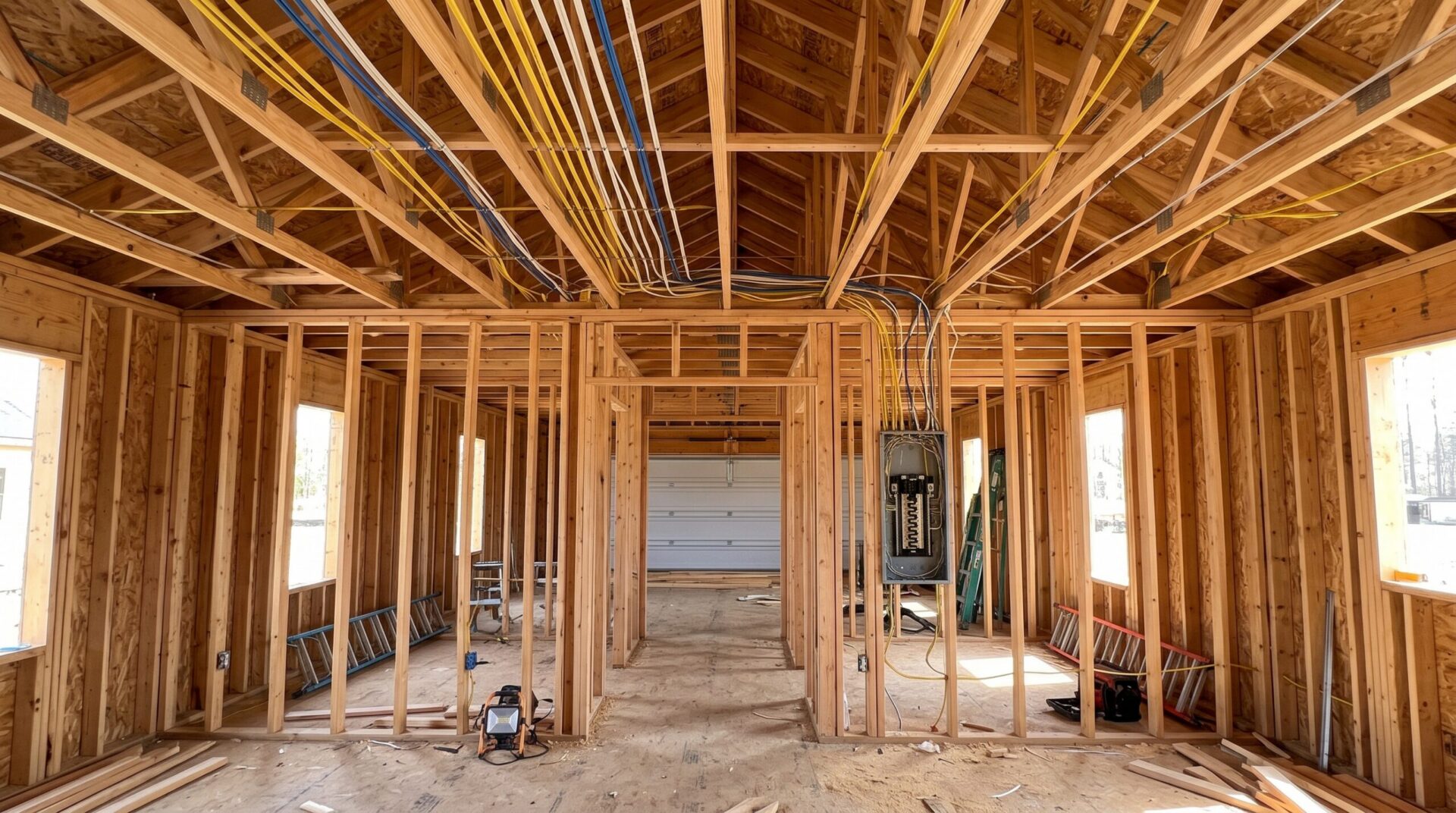
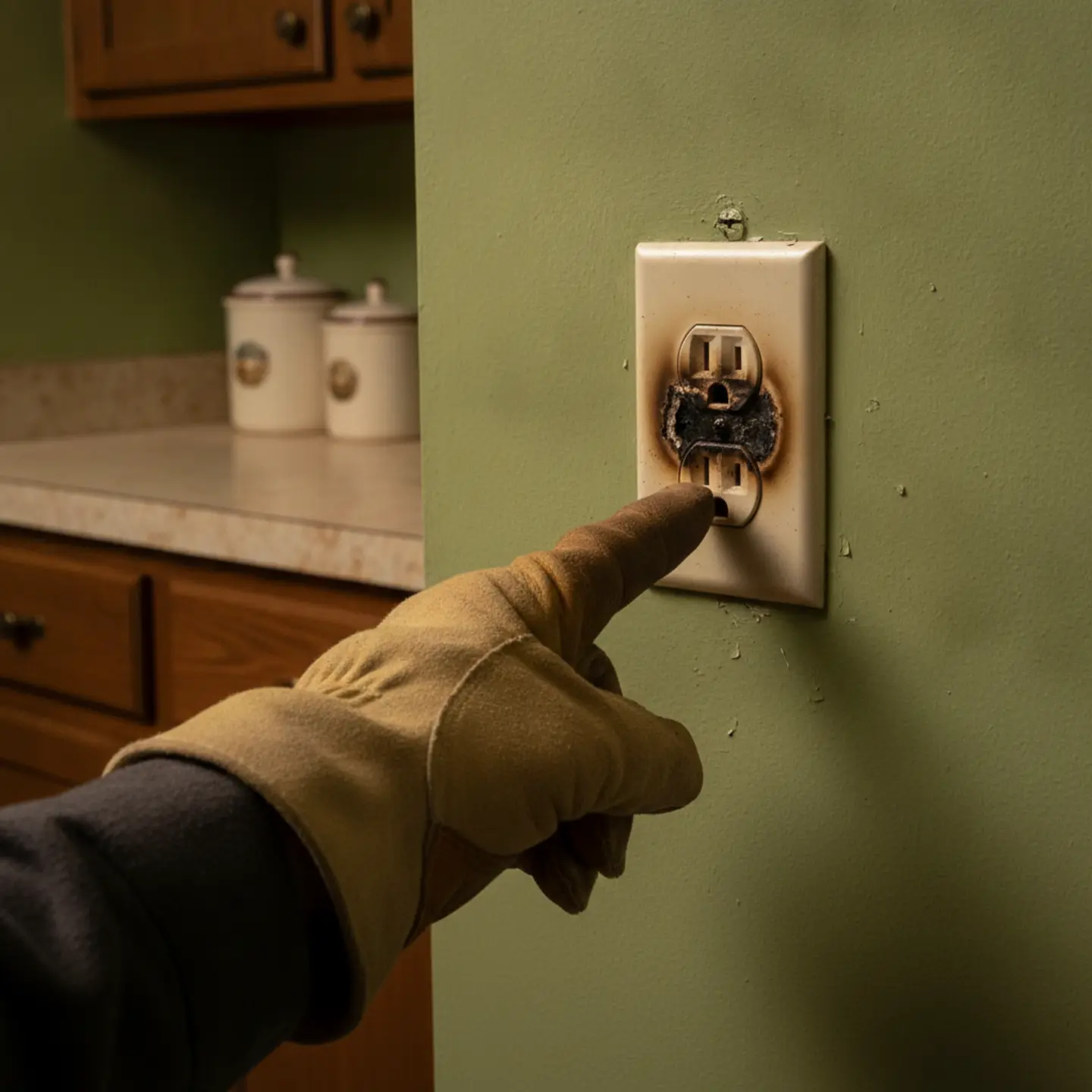
Home inspectors in DFW flag electrical deficiencies in over 50% of inspections, with outdated panels, aluminum wiring, missing GFCI outlets, and improper grounding being the most common issues. Since 76% of Dallas homes were built before 2000, older electrical systems are the norm, and these aging systems frequently trigger inspection red flags that can derail a sale if not addressed quickly. Understanding what inspectors look for—and what it costs to fix—puts you in control of your sale timeline and final price.
Here’s a complete electrical inspection checklist for home sellers, along with realistic repair costs, regulatory requirements, and strategies to pass inspection and close your sale smoothly.
Epic Electrical
Free Quote & Honest Diagnosis — No Upsells
Core Service Programs:
- Electrical Repairs, Wiring & Lighting for tripping breakers, faulty wiring, GFCI issues, and indoor/outdoor lighting
- EV Chargers, Generators & Panel Upgrades for Level 2 EV charging, whole-home generator installs, panel replacements, and surge protection
- Commercial, Warehouse & Industrial Electrical for restaurants, offices, industrial buildouts, LED retrofits, and dedicated circuits
Why Choose Epic Electrical:
- ✓ Trusted by customers with 138+ five-star Google reviews
- ✓ Father-and-son master electricians — a third-generation electrical family
- ✓ Serving North Richland Hills and the DFW Metroplex since 2009
- ✓ 50+ years of combined electrical experience on every job
- ✓ No upsells, no jargon, no pressure — we fix what’s actually broken
- ✓ Small repairs fixed same-visit; big jobs get a written quote with no hidden costs
- ✓ Texas-licensed electrical contractor (TECL #33192)
The Most Common Electrical Defects Flagged in DFW Home Inspections
If your inspection report comes back with electrical items, you’re not alone—and you’re not in trouble yet. Most of these issues are fixable. What matters is knowing which ones inspectors prioritize and why they matter to buyers and lenders.
Here’s what DFW inspectors flag most often in older homes:
- Outdated or hazardous electrical panels — Federal Pacific (Stab-Lok), Zinsco, and Challenger panels are consistently flagged as fire hazards requiring immediate replacement. Their breakers can fail to trip during an overload, which is a serious safety risk.
- Aluminum branch circuit wiring — Common in homes built between 1965 and 1975, aluminum wiring loosens and oxidizes at connections over time, creating fire and shock hazards. Inspectors flag it every time.
- Missing or non-functional GFCI outlets — Kitchens, bathrooms, garages, and outdoor areas require GFCI protection under current code. Missing protection in these locations is one of the most frequently cited violations.
- Improper grounding or ungrounded outlets — Especially prevalent in pre-1980 homes, ungrounded outlets pose shock hazards and are a standard inspection flag.
- Double-tapped breakers — Multiple wires connected to a single breaker terminal is a code violation and a fire hazard. Inspectors test for this at every panel.
- Open junction boxes and missing covers — Exposed wiring inside uncovered junction boxes is an easy catch for any inspector and a genuine safety risk.
- Reverse polarity or open neutral wiring errors — These wiring mistakes at outlets and switches are dangerous and detected during standard outlet testing.
- Damaged or exposed wiring — Rodent damage, frayed insulation, and unprotected wiring runs are common in older DFW homes and always flagged.
✅ You’re Not Alone—Electrical Issues Are Extremely Common
Over 50% of home inspections flag at least one electrical deficiency. If your inspection report includes electrical items, you’re in good company, and there are proven strategies to address them quickly and affordably.
DFW’s housing stock skews older, especially in established neighborhoods across North Richland Hills, Hurst, Haltom City, and Fort Worth’s inner suburbs. Homes built in the 1960s through 1980s are where inspectors find the highest concentration of these defects—and where sellers most often need a trusted electrician in their corner before closing.
Electrical Panel Replacement: The Biggest Cost Driver in Inspection Repairs
When an inspector flags a Federal Pacific, Zinsco, or similarly hazardous panel, the conversation shifts quickly from negotiation to replacement. Electrical panel replacement is typically the single largest repair cost a seller faces—and the one with the most variables that push the price up.
Epic Electrical’s base price for a 200-amp panel replacement in DFW starts at $5,800, which includes the permit and whole-home surge protection, assuming the panel is on an exterior wall. That’s a transparent starting point most DFW competitors won’t publish without an on-site visit.
But the base price is just the floor. Here’s what pushes projects higher:
- Outside disconnect requirement: If your panel is interior (inside a garage or utility closet), current NEC code requires an exterior emergency disconnect. That’s included in Epic’s $5,800–$7,500 price.
- Panel relocation: Moving a panel out of a closet or from an interior wall to an exterior location is priced per job based on distance: splicing into wires in the attic, setting junction boxes, and running new wire to the new location. If the panel can simply be flipped to the exterior wall or garage behind it, relocation is a non-factor.
- Overhead service mast work: An aging or damaged mast often needs replacement or extension, adding $800–$2,000+ and requiring coordination with Oncor.
- Code-triggered upgrades: When a panel permit is pulled, DFW cities enforce current code across the board. That commonly means interconnected smoke detectors ($500–$1,500+), AFCI/GFCI breakers ($1,500–$3,600 for a full panel), and grounding/bonding upgrades ($300–$1,000).
The realistic DFW market range for a standard 200-amp panel upgrade is $5,800–$7,500. Complex projects with multiple escalators can reach $10,000–$15,000+. Use Epic’s panel upgrade calculator to get a ballpark before your estimate.
Why Panel Quotes Vary So Much in DFW
Two homes on the same street can produce quotes that differ by $5,000 or more. Panel location is the biggest driver—interior panels require outside disconnects, and panels in closets require relocation. Service line type matters too: overhead service with an aging mast costs more than a clean underground connection.
Fort Worth, North Richland Hills, and Keller are known for aggressive code compliance enforcement. When a panel permit is pulled in these cities, inspectors often require every code-triggered upgrade to be addressed in the same project. That’s not a contractor upsell—it’s the city doing its job. A good electrician will tell you upfront what your city is likely to require so there are no surprises mid-project.
Permit timelines add to the overall schedule. Dallas residential permits average about 8 days for approval, with city inspection adding another 1–2 days. Plan for a 1–3 week total project window for panel work, which is why getting started early in your selling process matters.
Aluminum Wiring Remediation: A Hidden Fire Hazard in Older DFW Homes
Approximately 1.5–2 million U.S. homes built between 1965 and 1975 contain aluminum branch circuit wiring. Given that 76% of Dallas homes predate 2000, DFW has a significant concentration of this wiring in its housing stock—particularly in the established suburban neighborhoods that make up a large portion of the resale market.
Aluminum wiring isn’t inherently defective, but it loosens and oxidizes at connection points over time. That oxidation creates resistance, which generates heat, which creates fire risk. Inspectors flag it every time, and buyers’ lenders often require remediation before approving financing.
The CPSC recognizes two primary remediation approaches:
- Connector-based remediation (COPALUM or AlumiConn): Specialized connectors safely join aluminum to copper at every outlet, switch, and fixture. This is the most common and widely accepted permanent repair. Cost runs approximately $90–$110 per connection point; a whole-home fix typically ranges $2,500–$7,000+ depending on circuit count.
- Complete rewiring with copper: The most comprehensive solution, but also the most expensive. Typically reserved for homes where the aluminum wiring is in poor condition throughout.
Addressing aluminum wiring proactively—with documentation—removes a major buyer objection and eliminates one of the most common deal-killing inspection flags. For aluminum wiring remediation and general wiring repairs, working with a licensed electrician who understands real estate timelines makes all the difference.
Repair Costs for Common Inspection-Flagged Electrical Issues
Not every inspection flag requires a major project. Most sellers face a mix of minor and moderate repairs alongside any larger issues. Here’s what realistic pricing looks like in the 2026 DFW market:
| Repair Type | Typical DFW Cost Range |
|---|---|
| GFCI outlet installation | $120–$250 per outlet |
| Grounding upgrades (ground rods, grounding wire) | $300–$1,000 |
| Double-tapped breaker correction | $100–$250 per instance |
| Missing junction box covers | $50–$100 per box |
| Hardwired, interconnected smoke detectors | $150–$300 per unit; $500–$1,500+ whole house |
| Minor panel repairs (faulty breakers, loose connections) | $150–$400 per repair |
| Exposed or damaged wiring repair | $200–$800 for localized fixes |
| Reverse polarity or open neutral correction | $100–$300 per outlet or circuit |
| Aluminum wiring remediation (whole home) | $2,500–$7,000+ depending on circuit count |
| 200-amp panel replacement (DFW market range) | $5,800 base; $10,000–$15,000+ with escalators |
Minor fixes—a handful of GFCI outlets, a few junction box covers, a double-tapped breaker—can often be resolved for $300–$1,000. Mid-range repairs involving grounding work, smoke detector upgrades, or partial aluminum wiring remediation typically run $1,000–$4,000. Full panel replacement with code compliance items runs $5,800–$7,500, and more with relocation or other escalators.
Licensing, Permits, and Regulatory Requirements for Electrical Repairs in DFW
Texas law requires all electrical work to be performed by a licensed Texas Electrical Contractor (TECL) with a Master Electrician on staff. You can verify any contractor’s license status at tdlr.texas.gov—search by TECL number, confirm the status reads “Active,” and check for any disciplinary actions on file.
Permits are required for any significant electrical work in DFW municipalities: panel replacements, new circuits, aluminum wiring remediation, service mast work, and any project that affects premises wiring. This isn’t optional, and it isn’t bureaucratic red tape—it’s the mechanism that ensures a city inspector verifies the work is safe and code-compliant before your buyer moves in.
⚠️ Beware of Unpermitted Electrical Work
Electrical repairs done without required permits will fail subsequent inspections, void your homeowner’s insurance, and create legal liability. Always hire a licensed contractor who pulls permits and manages inspections—it’s the only way to protect yourself and your sale.
The 2023 NEC, adopted by most DFW municipalities, expands AFCI and GFCI requirements and mandates exterior emergency disconnects for new or replaced electrical services. When a panel permit is pulled in cities like Fort Worth, North Richland Hills, Keller, or Arlington, these code requirements become mandatory—not optional. A reputable electrician will disclose all code-triggered upgrades in the written estimate before any work begins.
If you encounter a contractor who performs negligent or fraudulent work, the Texas Deceptive Trade Practices Act (DTPA) provides legal recourse. You can also file complaints directly with the TDLR. Documentation—contracts, invoices, permit records, inspection sign-offs—is your protection throughout this process.
How to Vet Electricians and Avoid Red Flags When Hiring for Inspection Repairs
The real estate context creates urgency, and urgency is exactly when predatory contractors do their best work. Here’s how to protect yourself when hiring an electrician for inspection-triggered repairs.
What to verify before hiring:
- Confirm the TECL license number on tdlr.texas.gov—status must be “Active”
- Request a current Certificate of Insurance for general liability and worker’s compensation
- Confirm they will pull all necessary permits and that work will be city-inspected
- Get a detailed written estimate covering scope, materials, labor, and any code-triggered upgrades
- Ask whether they have experience working with real estate agents and meeting closing deadlines
Red flags to walk away from:
- “We can skip the permit and save you money” — illegal, unsafe, and a deal-killer
- Vague pricing with no written scope
- No Master Electrician on staff
- Cash-only payment demands
- High-pressure tactics or refusal to provide documentation
- Recommending full panel replacement when a targeted repair would suffice
For guidance on evaluating contractors, our post on how to hire an electrician walks through the full vetting process. Real estate agent referrals remain the most reliable sourcing channel—agents maintain lists of electricians known for responsiveness, fair pricing, and clean documentation.
Proactive Repairs vs. Offering Credits: Which Strategy Wins in a DFW Sale
This is the question every seller faces after an inspection report lands: fix it yourself, or offer the buyer a credit and let them deal with it? The math usually favors proactive repairs—but the reasoning matters.
When sellers offer a credit, buyers almost always overestimate the repair cost. A $1,200 GFCI and grounding fix becomes a $3,000 credit request. A $5,800 panel replacement becomes an $8,500 negotiation anchor. Buyers pad for uncertainty, contractor markups they assume they’ll face, and inconvenience. You end up absorbing more than the actual repair would have cost.
Nationally, 10–15% of deals fall through due to inspection issues, with electrical deficiencies being a primary driver. Sellers who ignore major electrical problems often accept 2–5% price reductions—that’s $8,000–$20,000+ on a $400,000 DFW home—far exceeding what proactive repair would have cost.
Addressing major safety issues—hazardous panels, aluminum wiring—before listing also strengthens your negotiating position on everything else. Buyers who see documented, permitted, professionally completed electrical work perceive lower overall risk and are less likely to use inspection findings as a price reduction lever.
Timing matters too. If repairs are triggered after a buyer’s inspection, you typically have 7–14 days to complete everything before closing. For permitted panel work, that timeline is tight. Proactive repairs eliminate that pressure entirely.
💡 Pro Tip: Get a Free Estimate Early
Don’t wait for a failed inspection to get pricing. A free estimate from a licensed electrician early in your selling process lets you budget confidently, negotiate from a position of strength, and avoid last-minute surprises that derail deals.
Documentation is the final piece. Provide your buyer with detailed invoices, copies of all permits, and city inspection sign-offs. That paper trail demonstrates code compliance, professional workmanship, and good faith—all of which reduce buyer anxiety and smooth the path to closing. If financing is a concern while you’re preparing your home for sale, Epic Electrical offers residential project financing options to help bridge the gap before closing proceeds arrive.
Why Epic Electrical Is the Right Choice for DFW Home Sellers
When your sale timeline is on the line, you need an electrician who understands real estate—not just wiring. Epic Electrical is a father-and-son team of Master Electricians with 50+ years of combined experience, serving DFW since 2009 out of North Richland Hills. With 138+ five-star Google reviews, the track record speaks for itself.
Epic pulls and manages all electrical permits, ensuring every project meets current NEC and DFW municipal codes. No failed re-inspections. No surprises mid-project. If a city code trigger adds scope to your job, you’ll know about it before work starts—not after.
Transparent pricing is built into how Epic operates. The $5,800 base for a 200-amp panel replacement isn’t a teaser—it’s a real starting point with every standard inclusion spelled out. And if there’s a cheaper fix that addresses the inspection flag without a full panel replacement, Epic will tell you. That’s not a sales pitch; it’s how a family business with a reputation to protect operates.
As a licensed Texas Electrical Contractor (TECL #33192) with full general liability and worker’s compensation insurance, Epic provides the documentation that buyers, lenders, and real estate agents require. Detailed invoices, permit copies, and city inspection sign-offs are standard on every job—because that paperwork protects your sale.
DFW real estate agents refer Epic Electrical because they know jobs get done on time, to code, and without drama. If you’re preparing to sell in Fort Worth, North Richland Hills, Colleyville, or anywhere across the metroplex, Epic has the experience and the relationships to get your electrical work done right—on your timeline.
Contact Epic Electrical for a free estimate — no obligation, no pressure, just honest answers about what your home needs to pass inspection and close smoothly.
Frequently Asked Questions: Electrical Inspections for DFW Home Sellers
What electrical issues are most commonly flagged in DFW home inspections?
Outdated or hazardous electrical panels (Federal Pacific, Zinsco), aluminum branch circuit wiring, missing or non-functional GFCI outlets, improper grounding, double-tapped breakers, open junction boxes, and exposed or damaged wiring are the most frequently flagged defects. Since 76% of Dallas homes were built before 2000, older electrical systems are the norm in DFW, making these issues extremely common in inspection reports. A typical older DFW home inspection often flags 3–7 electrical deficiencies ranging from minor to major.
Am I required to fix all electrical problems found in a home inspection in Texas?
You are not legally required to fix every electrical item, but you are required to disclose all known material defects on the Texas Seller’s Disclosure Notice. In practice, addressing major safety concerns—like hazardous panels or aluminum wiring—proactively or negotiating repairs with the buyer leads to smoother closings and prevents deals from falling through. Ignoring significant issues typically results in price reductions, extended days on market, or deal collapse, all of which cost more than the repair itself.
How much does it cost to fix the most common electrical inspection issues in DFW?
Costs vary widely depending on the scope. GFCI outlet installation runs $120–$250 per outlet, grounding upgrades $300–$1,000, and whole-house smoke detector upgrades $500–$1,500+. Aluminum wiring remediation typically runs $2,500–$7,000+ depending on circuit count. A full 200-amp panel replacement starts at $5,800 in DFW but can reach $10,000–$15,000+ when code-triggered escalators like panel relocation, mast work, AFCI breakers, and interconnected smoke detectors are factored in.
Do I need a permit for electrical repairs triggered by a home inspection in DFW?
Yes—almost certainly. Any significant electrical repair in DFW, including panel replacements, new circuits, aluminum wiring remediation, or service mast work, requires a permit from the applicable municipality. DFW cities enforce the NEC, and permits ensure work is inspected for safety and code compliance before your buyer takes ownership. Unpermitted work will fail subsequent inspections and can void your homeowner’s insurance. A licensed electrician will pull and manage all necessary permits as part of the job.
What makes Epic Electrical different from other electricians in DFW?
Epic Electrical stands out with 50+ years of combined Master Electrician experience, 138+ five-star Google reviews, and transparent pricing—like our $5,800 base for a 200-amp panel replacement—with no hidden costs or upsells. As a licensed Texas Electrical Contractor (TECL #33192), we pull and manage all permits, understand real estate closing timelines, and provide the detailed documentation buyers and lenders require. Our honest, family-business approach means if there’s a cheaper fix, we’ll tell you. Get a free estimate and see why DFW agents and homeowners trust Epic Electrical for inspection repairs.
Ready to Pass Your Electrical Inspection and Close Your DFW Sale?
Electrical inspection flags don’t have to derail your sale. Whether you’re facing a hazardous panel, aluminum wiring, missing GFCI outlets, or a stack of minor deficiencies, Epic Electrical gives you honest answers, transparent pricing, and permitted work that holds up to scrutiny—so you can close on time and move forward with confidence.
We work directly with DFW real estate agents and sellers to meet tight closing timelines without cutting corners. No pressure, no upsells—just expert diagnosis and fair solutions from a father-and-son team with 50+ years of combined experience.
Serving: Fort Worth · North Richland Hills · Arlington · Keller · Colleyville · Southlake · Grapevine · Hurst · Bedford · Euless · and all of DFW
Pricing, equipment specifications, and project scope mentioned in this article are accurate as of the date of publication and are subject to change. Code requirements and permit needs vary by municipality and property. Please contact us directly for a current quote on your specific home or business.