
Type 1 vs. Type 2 Whole Home Surge Protection: What DFW Homeowners Actually Need to Know
⚡ Key Takeaways
- Two very different jobs — Type 1 protects against surges coming in from the utility or a lightning strike nearby. Type 2 handles surges generated inside your home and smaller external spikes.
- Type 2 is the standard — For most DFW homes, a properly installed Type 2 whole home surge protector provides solid, code-compliant protection at a reasonable cost.
- NEC 230.67 now requires it — If your panel is being replaced or upgraded in Texas, surge protection is not optional. It’s a code requirement — not an upsell.
- Type 1 + Type 2 is the gold standard — Homes with high lightning exposure, acreage, or pole-mounted service entrances benefit most from a layered approach.
- Surge protectors don’t last forever — Most whole home SPDs have a finite surge-absorbing capacity. If you’ve had a major surge event, yours may need replacement even if it looks fine.
- Your appliances are more vulnerable than you think — Modern smart appliances, HVAC systems, and EV chargers are extremely sensitive to voltage spikes. Cheap power strips offer little real protection.
- The right answer depends on your home — This isn’t a one-size-fits-all decision, and any honest electrician will tell you that.
You’ve probably heard you need a whole home surge protector. Maybe you got a quote for a panel replacement and it was listed right there on the estimate. Or maybe a neighbor’s smart TV died during a storm and now you’re wondering if yours is next.
Here’s where most people get stuck: there’s more than one type, and the difference actually matters. Type 1, Type 2, some installers mention both — and if you’re not an electrician, the distinction feels like alphabet soup.
So let’s clear it up. No jargon. No pressure. Just the real information you need to make a smart decision for your home.
What Is a Whole Home Surge Protector, Really?
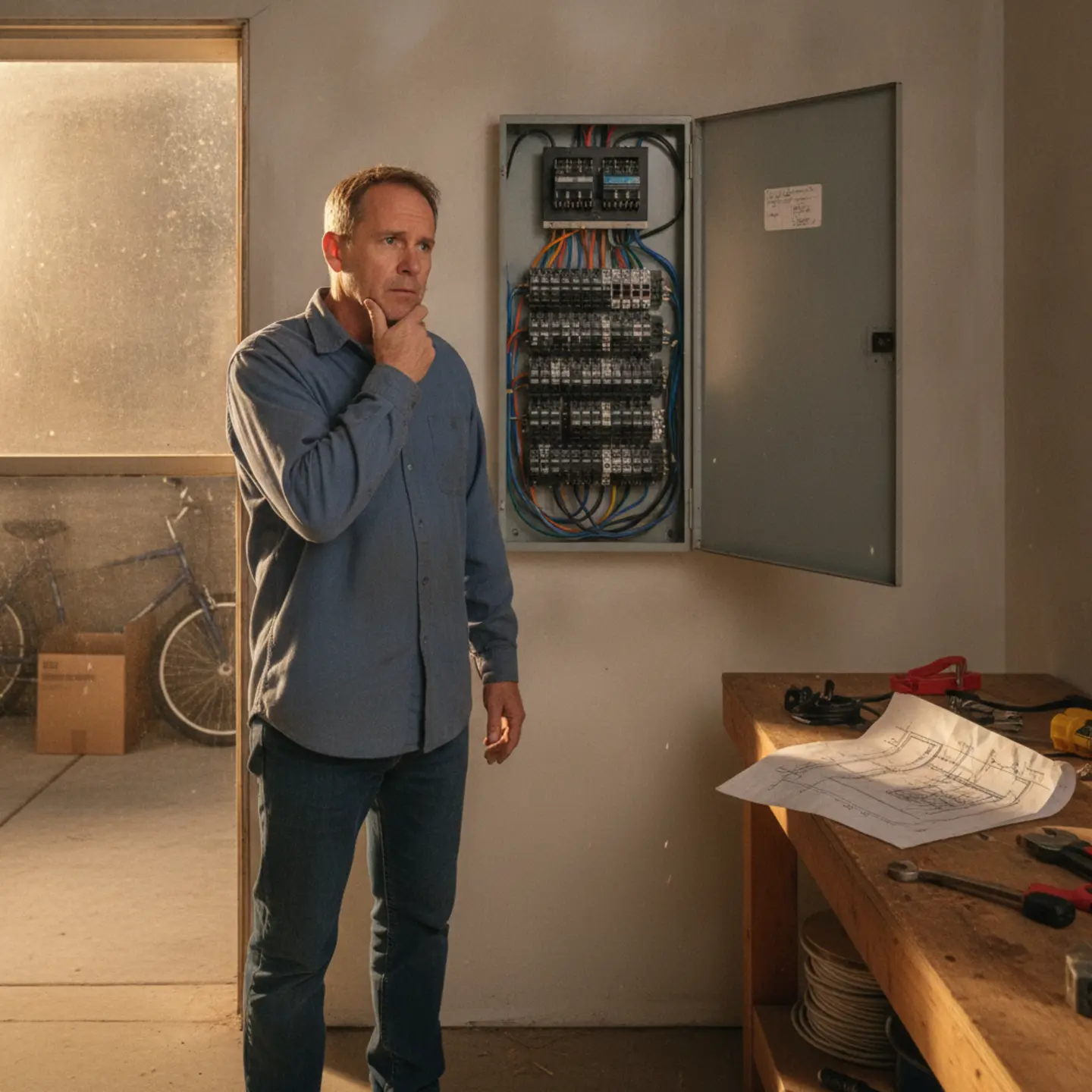
A whole home surge protector — technically called a Surge Protective Device, or SPD — installs at or near your electrical panel. Its job is to catch voltage spikes before they travel through your wiring and fry your appliances, electronics, or HVAC system.
Think of it like a pressure relief valve for electricity. When voltage spikes above the safe threshold, the SPD diverts that excess energy to ground rather than letting it run wild through your home’s circuits.
The difference between Type 1 and Type 2 comes down to where the device installs and what kind of surges it’s designed to handle. Those two factors change the protection profile pretty significantly.
⚡ Where Do Surges Actually Come From?
Most people picture lightning when they hear “surge.” And yes, direct or nearby strikes are a serious threat in North Texas. But roughly 80% of damaging surges are internal — generated by your own home. Your HVAC kicking on, your refrigerator compressor cycling, even a large motor starting up can create small but repeated voltage spikes that degrade electronics over time. A whole home SPD catches both kinds.
Type 1 Surge Protection: The First Line of Defense
Where It Installs
A Type 1 SPD installs on the line side of your main breaker — meaning between the utility connection and your panel. In practice, this often means it’s mounted at the meter base or the service entrance, before electricity reaches your main disconnect.
What It’s Designed For
Type 1 devices are built to handle high-energy external surges. We’re talking about the kind of surge that happens when lightning strikes nearby power lines, when a utility transformer fails, or when the power company experiences a major fault event that sends a voltage wave through the grid.
These are low-frequency but high-consequence events. A Type 1 device is rated to handle much higher surge current — typically 25,000 to 100,000 amps per phase — because those external events can be massive.
DFW Lightning Strikes Per Year
North Texas ranks among the most lightning-active regions in the country. The DFW area sees over a million lightning events annually — making surge protection a practical necessity, not just a nice-to-have.
When Type 1 Makes the Most Sense
Type 1 protection is most valuable when your home has a higher lightning risk profile. That includes:
- Homes on acreage or in rural areas with overhead utility lines
- Properties with pole-mounted service entrances (where lines come in from the street overhead)
- Homes with metal roofs or other characteristics that increase lightning exposure
- Any structure that has taken a nearby or direct strike in the past
💡 Underground Service vs. Overhead Lines
If your utility service comes in underground (common in many newer DFW subdivisions), the risk of a utility-side lightning surge reaching your panel is lower — though not zero. Homes with overhead service drops are meaningfully more exposed to external surge events. Not sure which you have? A licensed electrician can tell you in about 30 seconds.
Type 2 Surge Protection: What Most Homes Need
Where It Installs
A Type 2 SPD installs on the load side of your main breaker — inside or directly adjacent to your electrical panel. This is the most common whole home surge protector you’ll see on residential electrical estimates in DFW.
What It’s Designed For
Type 2 devices handle internal surges (generated by your own appliances and motors) plus the smaller, indirect external surges that make it through to the panel level. They have a lower surge current rating — typically 20,000 to 40,000 amps — because internal surges are less intense than a direct lightning event.
For most homes, this is exactly the right level of protection. The vast majority of surge damage comes from internal sources and moderate external events — not direct lightning strikes. A quality Type 2 device installed correctly handles that threat well.
Why You’ll See This on Panel Replacement Quotes
Since the 2020 National Electrical Code, surge protection at the service entrance has been required on new panel installations and panel replacements. In Texas, this requirement has been adopted — which means if you’re replacing your electrical panel with a permit, a whole home surge protector isn’t optional. It’s part of the code-compliant job.
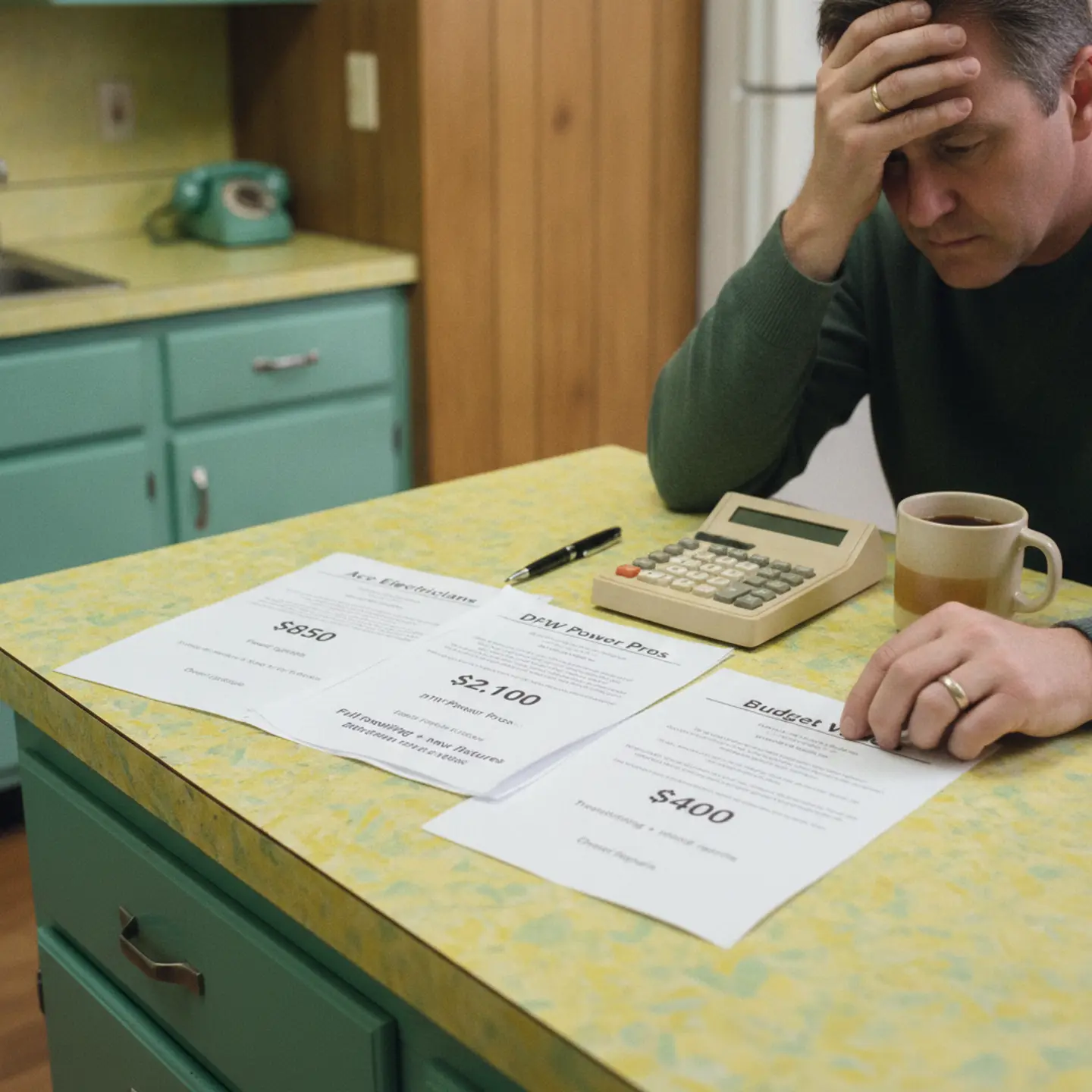
This is one reason why panel replacement costs in DFW are higher than the low numbers you might see floating around online. The estimate on the internet probably doesn’t include the SPD — because they’re quoting a job that wouldn’t actually pass inspection in Texas. See our breakdown of what electrical work requires a permit in Texas for more context on why this matters.
⚠️ Low Online Quotes Are Often Missing This
If you’ve seen whole home surge protector quotes that seem surprisingly low — or panel replacement estimates that don’t mention surge protection at all — there’s a good chance those numbers don’t reflect a code-compliant, permitted job. An honest quote in DFW includes the SPD because the inspector will require it. This isn’t an upsell. It’s the law.
Type 1 vs. Type 2: Side-by-Side Comparison
| Feature | Type 1 SPD | Type 2 SPD |
|---|---|---|
| Install Location | Line side (before main breaker / at meter) | Load side (inside or adjacent to panel) |
| Primary Threat Handled | Direct/nearby lightning, utility-side surges | Internal surges, indirect external surges |
| Surge Current Rating | 25kA–100kA per phase (or higher) | 20kA–40kA per phase (typical) |
| Code Requirement | Required in some commercial scenarios | Required on residential panel replacements (NEC 230.67) |
| Best For | Rural, overhead service, high lightning risk | Most residential homes in DFW |
| Installed Cost (Estimate) | $400–$800+ (often higher, labor-intensive) | $300–$600 (standalone install) |
| Replaces Type 2? | No — works best paired with Type 2 | Sufficient as standalone for most homes |
Note: Costs shown are estimates for standalone installation. When installed as part of a panel replacement in DFW, the SPD cost is typically bundled into the overall project price.
Do You Need Both? The Case for Layered Protection
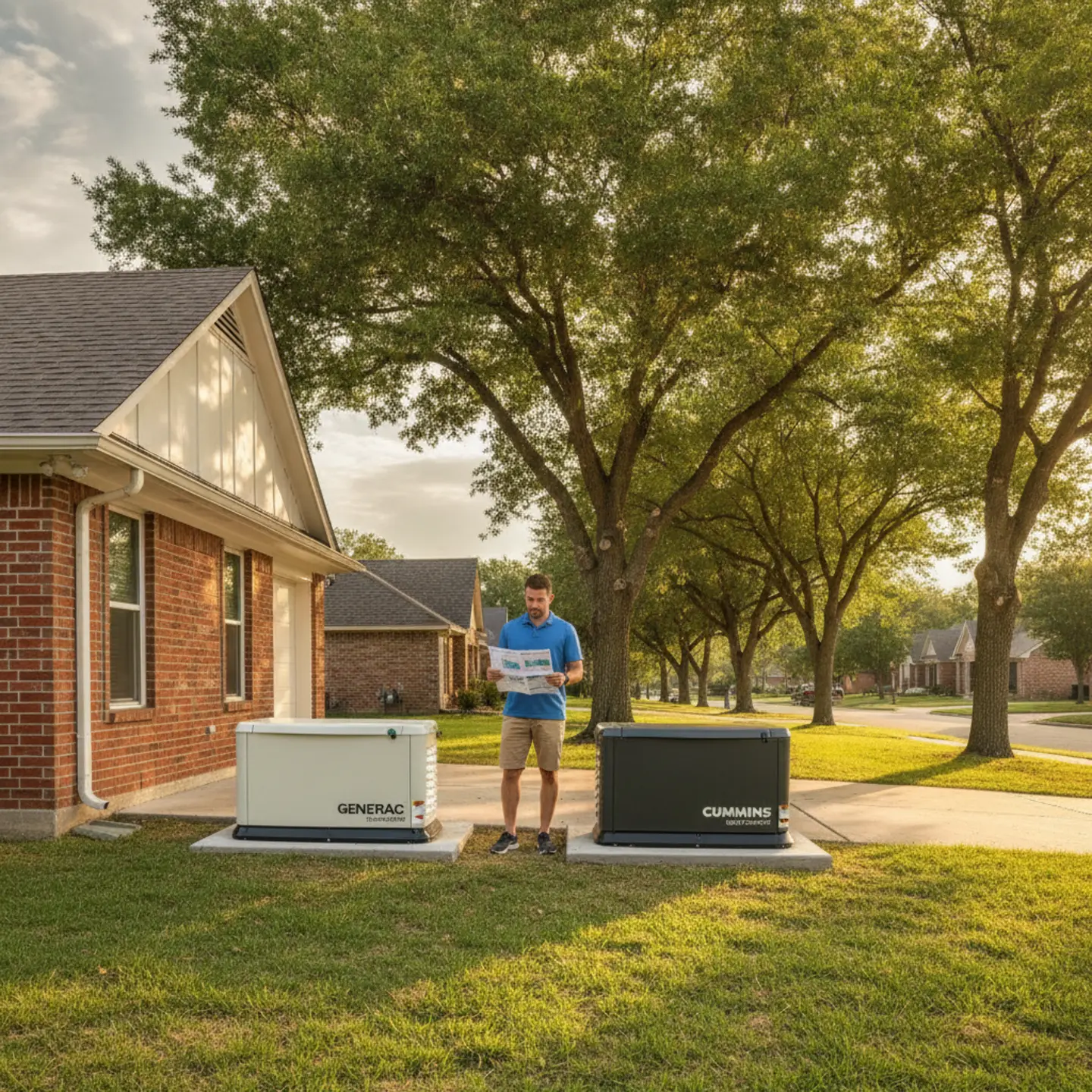
The most complete protection is a Type 1 + Type 2 system working together. Type 1 catches the big external hit at the service entrance. Type 2 handles whatever smaller surges make it through, plus everything generated internally.
Think of it as two goalies instead of one. If the first one misses, the second one’s there.
Is this necessary for every home? Honestly, no. For a home in a typical DFW subdivision with underground utility service and a newer panel, a quality Type 2 device is solid, code-compliant protection. For a home on a few acres in Colleyville or Keller with overhead lines and a pole-mounted service entrance, adding a Type 1 makes a real difference.
💡 A Note on Type 3 (Point-of-Use) Devices
You’ve probably seen plug-in surge strips at the hardware store. Those are Type 3 devices — and while they add a useful last layer of protection for individual electronics, they’re not a substitute for whole home protection. A whole home SPD handles the large energy before it ever reaches your outlets. A power strip can only do so much if a big surge reaches the receptacle first.
What About Your Specific Appliances?
Modern homes in DFW have more surge-sensitive equipment than homes built 20 years ago. Variable-speed HVAC systems, smart panels, smart home devices, and EV chargers all rely on sensitive electronics that voltage spikes can damage — sometimes in ways that aren’t immediately obvious.
That gradual degradation is actually one of the more insidious effects of repeated smaller surges. The appliance keeps working — until one day it doesn’t, and you’re replacing a two-year-old compressor. A whole home SPD reduces that cumulative wear significantly.
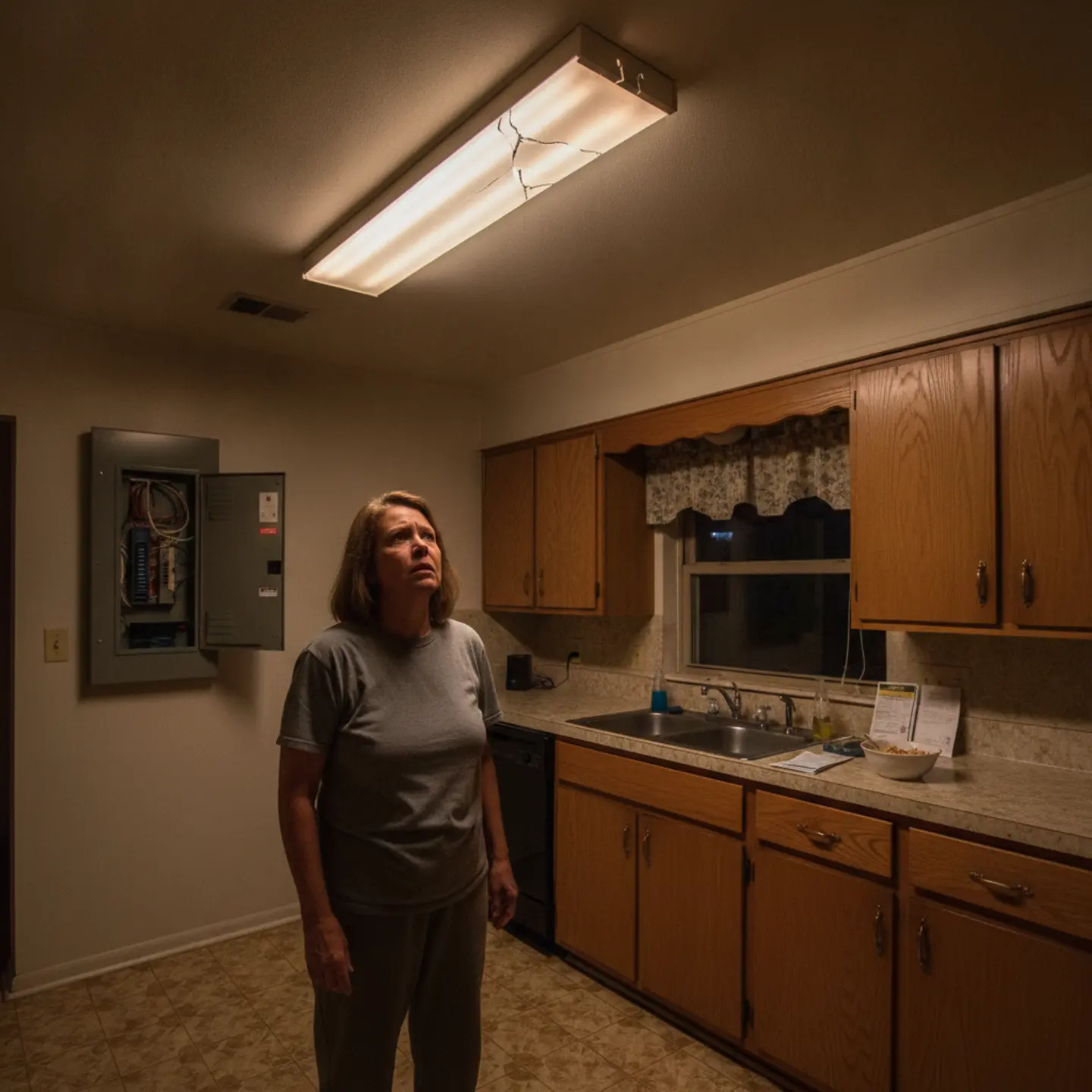
If you’ve had lights flickering when your AC runs, that’s a sign of internal voltage fluctuation — exactly the kind of thing a Type 2 SPD is designed to handle. It’s worth paying attention to.
💡 Don’t Forget: EV Chargers Are Especially Vulnerable
Level 2 home EV chargers represent a significant investment — and they’re directly connected to your panel. Surge protection becomes even more important once you’ve got a charger in the garage. Ask your electrician to verify your surge protection is in place before or during your EV charger installation.
How Long Does a Whole Home Surge Protector Last?
This is something a lot of homeowners don’t realize: surge protective devices have a limited lifespan measured in absorbed surge energy — not just calendar years. Every time the SPD catches a surge, it uses some of its capacity. A major event (like a nearby lightning strike) can exhaust a significant portion of that capacity in a single shot.
Most residential SPDs come with an indicator light or audible alarm that signals when the device has reached end of life. If yours doesn’t have one, or you’re not sure, it’s worth having an electrician check it — especially if you’ve experienced a known surge event or storm in your area.
If your neighborhood took a nearby lightning strike or a major grid event, your whole home SPD may have done its job and absorbed significant energy. That’s actually a success — but it means the device may be depleted and needs evaluation. Don’t assume it’s fine just because your appliances are still running.
A standard home circuit breaker doesn’t protect against surges — it protects against overcurrent. These are completely different functions. Many homeowners don’t realize they can have functioning breakers and zero surge protection at the same time.
Whole Home Surge Protection and Panel Replacements in DFW
If you’re in the process of getting quotes for a panel installation or replacement, you should expect surge protection to be included in any legitimate permitted estimate. Not as an add-on — as a line item that’s part of the code-compliant job.
The same applies if you have an older panel that’s been flagged for safety issues. Whether it’s a Federal Pacific panel, a Zinsco panel, or a split-bus panel that’s past its useful life — the replacement job, done correctly with a permit, will include surge protection as part of the package.
This is also why we’re transparent about what’s included in every quote. You should know what you’re getting and why each item is there. If an electrician can’t explain why something is on your estimate, that’s worth asking about.
✅ What a Code-Compliant DFW Panel Replacement Includes
Beyond the panel itself, a permitted panel replacement in Texas typically requires: an outside emergency disconnect (NEC 230.85), whole home surge protection (NEC 230.67), AFCI breakers in living spaces, intersystem bonding termination, and grounding verification. These aren’t upsells — they’re what the permit inspection requires. Our post on AFCI vs. GFCI protection explains more about why these requirements exist.
So Which Type Do You Actually Need?
Here’s the honest answer: most DFW homeowners need a quality Type 2 whole home surge protector. It satisfies the NEC 230.67 code requirement, it handles the internal surges that cause the most everyday damage, and it protects against the moderate external surges that make it through the utility grid.
If your home has elevated lightning exposure — overhead service drop, rural property, acreage, prior strike history — a layered Type 1 + Type 2 approach is worth the additional investment. It’s not a scare tactic. It’s just honest risk assessment for your specific situation.
And if you’re not sure which applies to you, that’s a conversation any qualified electrician should be able to have with you in about five minutes — without pressure, without jargon, and without a pitch.
In the DFW area, we’re no strangers to severe weather, grid instability, and the occasional surprise storm that lights up the sky in every direction. Whole home surge protection is one of the more straightforward, cost-effective ways to protect the investment you’ve already made in your home and appliances — especially with how much modern electrical equipment depends on stable, clean power.
Frequently Asked Questions
Is a whole home surge protector the same as a power strip surge protector?
No — they’re very different. Plug-in power strips are Type 3 devices designed for point-of-use protection of individual electronics. Whole home surge protectors (Type 1 or Type 2) install at the panel and protect your entire home’s wiring and appliances before a surge ever reaches an outlet. Both can be used together as a layered system, but a power strip alone is not a substitute for panel-level protection.
Does homeowners insurance require whole home surge protection?
Not universally — but some insurers in Texas offer discounts for homes with whole home surge protectors installed. More importantly, if a surge damages appliances and you file a claim, having a documented SPD in place can make the claims process smoother. It’s worth checking with your insurer about any incentives or documentation requirements.
Can I install a whole home surge protector without replacing my panel?
Yes. A Type 2 surge protector can be added to an existing panel in most cases, as long as there’s available breaker space and the panel is in safe working condition. This is a standalone installation and doesn’t require a full panel replacement. An electrician can evaluate your current setup and tell you whether it’s compatible.
How much does a whole home surge protector cost to install in DFW?
For a standalone Type 2 installation, expect to pay roughly $300–$600 in the DFW market, depending on the device and the complexity of the install. A Type 1 + Type 2 combination runs higher — typically $600–$1,200 or more. When surge protection is bundled into a panel replacement project, it’s included in the overall quote rather than priced separately. If you’re financing a larger electrical project, see our residential financing guide.
How do I know if my existing surge protector is still working?
Most quality whole home SPDs include a status indicator light. If the light is off or showing a fault, the device may have reached end of life. If you’re not sure whether your home has surge protection at all, or when it was last inspected, that’s something a licensed electrician can check quickly during a service visit.
Does a whole home surge protector protect against direct lightning strikes?
A Type 2 device provides limited protection against direct strikes — it’s designed for indirect surges and internal events. For homes with meaningful direct lightning risk, a Type 1 device at the service entrance (or a combined Type 1 + Type 2 system) provides better protection. No device fully eliminates the risk from a direct strike, but layered protection significantly reduces the damage potential.
Is whole home surge protection required by code in Texas?
Yes — under NEC 230.67 (adopted in Texas), surge protection is required at the service entrance for new construction and panel replacements. If you’re having a permitted panel replacement or new panel installation done in DFW, the surge protector is part of the code-compliant job. It’s not optional and it’s not an add-on — it’s a requirement that any reputable electrician will include. Read more about electrical permits in Texas to understand what else is typically required.
Ready to Protect Your Home? Here’s What to Do Next
If you don’t have a whole home surge protector — or you’re not sure whether yours is still working — it’s worth a quick conversation with a licensed electrician. We’ll take a look at your panel setup, let you know what you have, and give you a straight answer on what makes sense for your home.
No pressure. No alphabet-soup jargon. Just honest information so you can make the right call for your situation.
We serve Fort Worth, Arlington, Hurst, Bedford, Colleyville, Grapevine, Keller, Southlake, and surrounding DFW communities. Give us a call or shoot us a text — we’re happy to answer questions before you ever book an appointment.
What to Do Next
Call or text Epic Electrical at (682) 478-6088 to ask whether your home has surge protection, get a quote for a standalone SPD installation, or include it in a panel replacement project. We’ll give you real information about your specific setup — not a one-size-fits-all pitch.
Call or Text: (682) 478-6088
Serving Fort Worth, Arlington, Keller, Southlake, Colleyville, Grapevine, Lewisville, and all of DFW