Key Takeaways
- TDLR Certification Is Required by Law — Commercial electrical work in Texas must be performed by a licensed, TDLR-certified electrician. It’s not optional.
- Code Violations Are More Common Than You Think — Outdated panels, improper grounding, and missing emergency lighting are found in DFW buildings every week.
- Ignoring Violations Costs More — Fines can reach $5,000+ per day, and forced shutdowns during peak business hours are a real consequence.
- Texas Follows the NEC With State Amendments — Commercial buildings face stricter standards than residential, including three-phase power, conduit sizing, and emergency lighting rules.
- Compliance Work Can Be Phased — Safety issues first, then code compliance, then upgrades. We work with your budget without cutting corners on safety.
- Ongoing Maintenance Prevents Future Violations — Annual or biennial inspections catch problems before they become expensive emergencies.
- Epic Electrical Is a 3rd-Generation DFW Family Business — TDLR-certified, fully insured, and honest about what you need — and what you don’t.
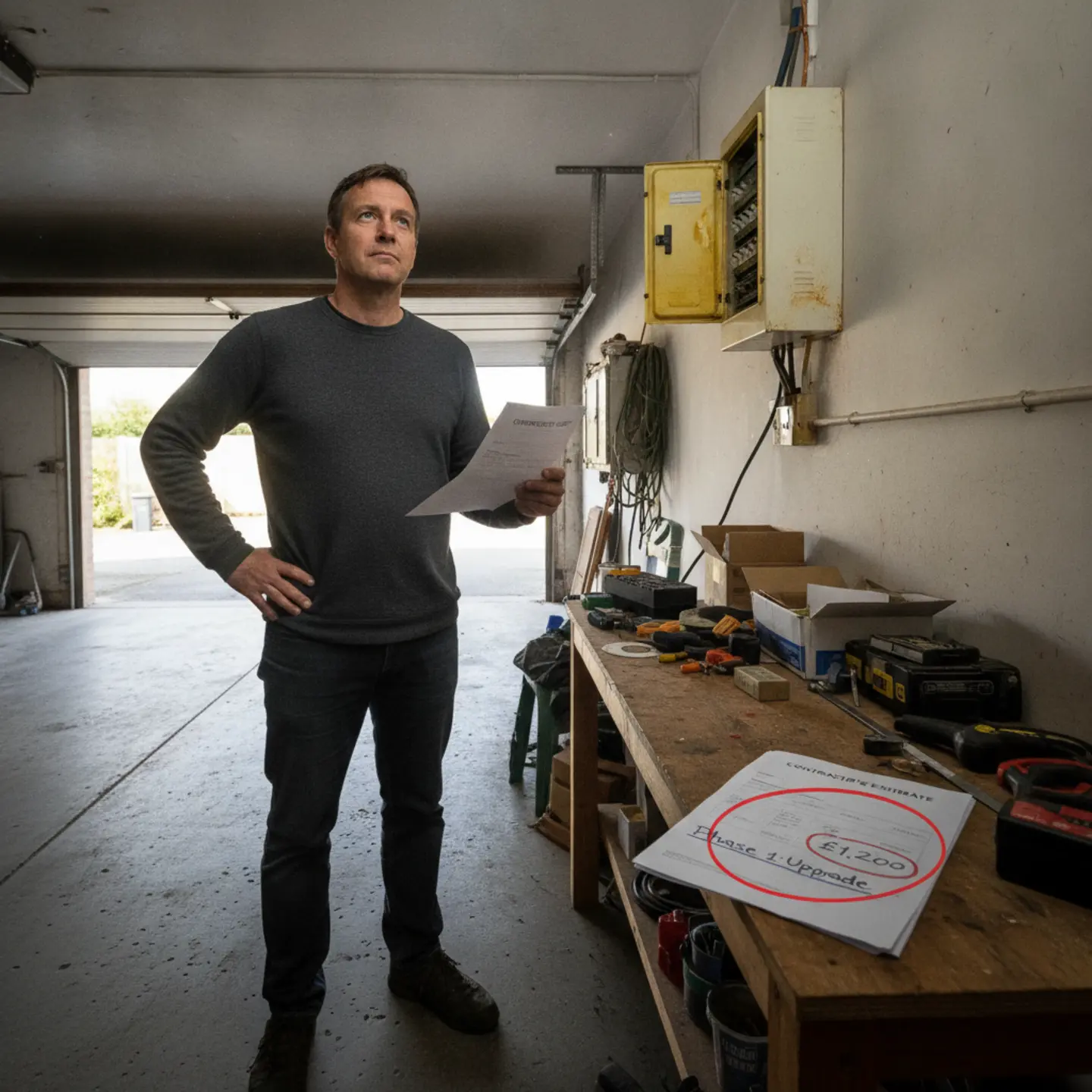
You’re expanding your DFW business — maybe adding equipment, taking on new tenants, or getting ready to sell the building. An inspector walks through, spends about forty minutes looking at your electrical system, and hands you a report. It’s not good. Outdated panel. Improper grounding. No emergency lighting in two sections of the building. Work that was done years ago by someone who, it turns out, wasn’t licensed to do it.
Now you’re looking at potential fines, a hard deadline to fix everything, and a list of violations you don’t fully understand. And you’re wondering: who do I even call for this? Can I trust that whoever shows up won’t just hand me the most expensive quote and disappear?
That scenario plays out in DFW commercial buildings more often than most business owners realize. The good news is that it’s fixable — and it doesn’t have to be a nightmare. What makes the difference is finding a TDLR-certified commercial electrician who will give you a straight answer about what’s actually wrong, explain your options clearly, and do the work right the first time so you don’t end up back in the same situation two years from now.
That’s what we do at Epic Electrical. We’re a third-generation family business — a father-son team that’s been working with DFW commercial clients for over 20 years. We’ll tell you what needs fixing, what can wait, and if there’s a cheaper way to solve a problem, we’ll tell you that too. This guide walks through everything you need to know about commercial electrical code compliance in Texas — from what TDLR certification actually means to what the compliance process looks like and what it costs.
Why TDLR Certification Matters for Commercial Electrical Work
When you hire someone to do commercial electrical work on your building, you’re not just paying for labor. You’re taking on legal responsibility for the outcome. If the work doesn’t meet code — or worse, if it causes a fire or injury — the liability falls on the business owner, not the person who did the work. That’s why TDLR certification isn’t just a nice credential to have. It’s the baseline requirement for anyone doing commercial electrical work in Texas.
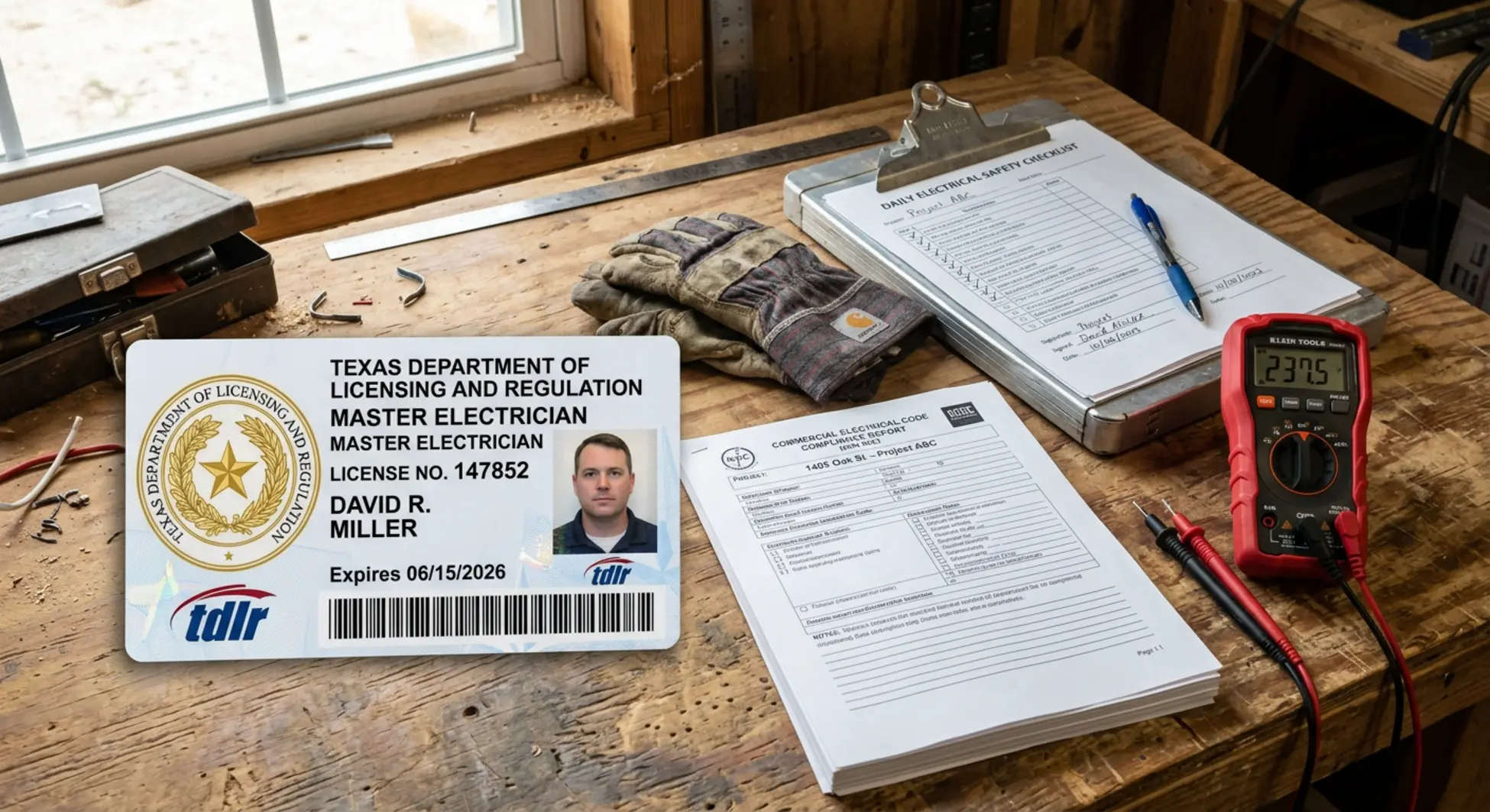
The Texas Department of Licensing and Regulation (TDLR) is the state agency that licenses and regulates electricians. To earn a commercial electrician’s license, an individual has to log thousands of hours of hands-on experience, pass written exams on electrical theory and code knowledge, and meet continuing education requirements to keep the license current. It’s a verified, state-backed credential — not a self-issued certificate or a badge someone prints off the internet.
Our commercial electrical services are performed exclusively by TDLR-certified electricians who carry full insurance and bonding. That matters for you because it means if something goes wrong — which is rare when the work is done right — you’re protected. The insurance covers the work, not just the person doing it.
What TDLR Certification Means
A TDLR-certified electrician has passed state exams covering electrical theory, the National Electrical Code (NEC), and Texas-specific amendments. They’ve demonstrated competency in the field and are required to complete continuing education to stay current with code changes. Certification is public record — you can verify any electrician’s license status directly on the TDLR website before you hire them.
Beyond the exam, TDLR-certified electricians are required to carry liability insurance and bonding. That’s your protection if something goes wrong. If an uncertified electrician makes a mistake that causes damage or injury, you may have no recourse at all — and your own insurance may not cover work that was done illegally.
The verification process is simple: go to the TDLR website, search the electrician’s name or license number, and confirm the license is current and in good standing. Any reputable commercial electrician will hand you their license number without hesitation. If someone hedges or deflects when you ask for credentials, that’s your answer right there.
The Cost of Cutting Corners
The appeal of hiring an unlicensed electrician is usually price — they quote lower because they’re not carrying insurance, not pulling permits, and not following code. But the savings evaporate quickly when the work gets flagged during an inspection.
When non-compliant work is discovered, you’re on the hook for all of it: the fines, the cost to tear out and redo the work, the permit fees, and the downtime while repairs are made. In many cases, the re-work costs more than a certified job would have in the first place — because the original work has to be removed before the correct work can be done. And if someone is injured because of faulty electrical work, the liability falls on the building owner, not the electrician who did the work. That’s not a theoretical risk. It happens.
🔍 What TDLR Actually Checks
TDLR certification means the electrician has passed exams on electrical theory, code knowledge, and safety practices. It’s a verified, state-issued credential backed by insurance and bonding requirements — not a self-issued certificate or a membership badge. You can confirm any electrician’s license status at the TDLR website before signing anything.
Understanding Commercial Electrical Code Requirements in Texas
Texas follows the National Electrical Code (NEC), which is updated every three years by the National Fire Protection Association. But the NEC isn’t the whole picture — Texas adopts the NEC with state-specific amendments, and local jurisdictions within the DFW area (Dallas, Fort Worth, Arlington, Keller, Southlake, and others) may have additional local amendments on top of that. Commercial buildings face a more complex compliance landscape than residential properties, and the standards are stricter across the board.
The reason commercial code requirements are more demanding comes down to scale and risk. A residential home might have a 200-amp service panel. A mid-size commercial building might need 800 amps or more. More power means more potential for catastrophic failure if the system isn’t designed, installed, and maintained correctly. The code requirements reflect that reality.
Regular electrical inspections are one of the most important tools for staying ahead of code changes and catching issues before they become violations. Code requirements evolve — what was compliant in 2005 may not meet current standards — and buildings that haven’t been inspected in years are often sitting on a stack of issues that have accumulated quietly over time.
Key Commercial Code Areas
There are several areas where commercial buildings are most frequently out of compliance, and understanding them helps you ask the right questions when you’re talking to an electrician.
Panel sizing and capacity is one of the most common issues in older DFW buildings. The electrical panel has to be sized for the actual load the building places on it — not the load it had when it was built in 1988. Modern HVAC systems, commercial kitchen equipment, and server infrastructure draw significantly more power than the equipment those original panels were designed to handle.
Grounding and bonding systems are required to protect both people and equipment. Grounding provides a safe path for fault current to travel, reducing the risk of electrical shock. Bonding connects metal components together so they’re at the same electrical potential. Both are required by code, and both are frequently inadequate in older buildings.
Emergency lighting and backup power are required in commercial buildings under specific occupancy conditions. If your building has a certain number of occupants or falls into a specific use category, you’re required to have lighting that activates automatically during a power failure. Missing or inadequate emergency lighting is one of the most commonly cited violations during commercial inspections.
Fire alarm and safety system integration is another area where commercial requirements go well beyond what’s expected in residential construction. Fire alarm systems must be integrated with the electrical system in specific ways, and the wiring and components used must meet commercial-grade standards.
How Codes Differ from Residential
The gap between residential and commercial electrical standards is significant. Commercial systems routinely handle three-phase power, which is standard for larger motors, HVAC equipment, and industrial machinery. Residential systems are single-phase. The wiring methods are different too — commercial work typically requires conduit (metal or PVC raceway) rather than the flexible cable assemblies common in residential construction. Conduit sizing, fill capacity, and installation methods are all governed by stricter commercial standards.
Wire sizing in commercial applications follows a more demanding set of calculations because the loads are larger, the runs are longer, and the consequences of undersizing are more severe. A residential electrician working on a commercial building may not have the training or experience to perform these calculations correctly — which is exactly why TDLR certification for commercial work exists.
In the DFW area, many commercial buildings were constructed during the rapid growth periods of the 1980s and 1990s. The electrical systems in those buildings were designed to meet the code standards of that era — and a lot has changed since then. If your building is more than 20 years old and hasn’t had a professional electrical inspection recently, there’s a reasonable chance it has at least some compliance gaps.
✅ You’re Not Alone — Code Violations Are Common
Many DFW business owners discover code violations during inspections or when expanding operations. It’s not a reflection on you — it’s often the result of aging systems or previous work that didn’t meet current standards. Finding out now, before a formal inspection or incident, puts you in the best possible position to address things on your own timeline.
If you’re unsure whether your commercial electrical system meets current code requirements, a free inspection is the best first step — we’ll identify any issues and give you honest recommendations with no pressure to act on anything that isn’t urgent.
Common Code Violations We Find in DFW Commercial Buildings
After 20+ years of working with commercial buildings across the DFW area, we’ve seen the same issues come up again and again. Some are the result of aging infrastructure. Some come from previous work that was done by someone who wasn’t qualified or who cut corners to win a low bid. Some are simply the result of buildings that were compliant when they were built but haven’t kept pace with code updates.
Here’s what we actually find when we walk through a commercial building — not a theoretical list, but the real issues that show up in our inspection reports week after week.
The Aging Panel Problem
A large percentage of commercial buildings in DFW that were constructed between 1980 and 2000 still have their original electrical panels. Those panels were sized for the electrical loads of that era — and the loads have changed dramatically. Modern HVAC systems, commercial refrigeration, LED lighting retrofits with complex drivers, server rooms, and high-draw commercial kitchen equipment all place demands on electrical systems that original panels weren’t designed to handle.
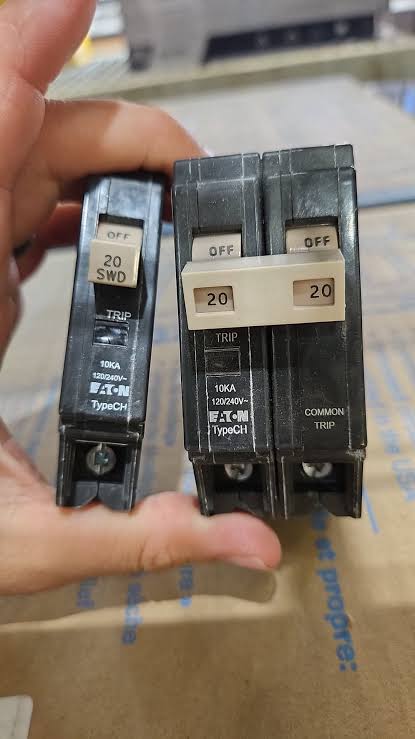
The result is panels that are running at or near capacity, with circuit breakers that trip frequently, and in some cases, panels that have been modified incorrectly to try to add capacity — double-tapped breakers, mismatched breaker brands, and breakers that have been bypassed or disabled. All of these create fire risk and are code violations.
Electrical upgrades for aging panels aren’t just about compliance — they’re about preventing the kind of electrical failure that takes your business offline for days or causes a fire. A panel upgrade is one of the highest-value investments you can make in an older commercial building.
Grounding and Bonding Issues
Improper grounding and bonding is one of the most dangerous issues we find — and one of the least visible. You can’t look at a wall and tell whether the grounding system is adequate. It requires testing with specialized equipment, and it’s the kind of problem that can exist for years without causing an obvious symptom right up until it causes a serious one.
Grounding issues can cause equipment damage (particularly sensitive electronics and computer systems), create shock hazards for anyone who touches metal components in the building, and in severe cases, contribute to electrical fires. Bonding failures mean that different metal components in the building are at different electrical potentials — which creates a voltage difference that can deliver a shock when someone bridges the gap.
We test grounding and bonding systems on every commercial inspection using calibrated equipment. It’s not something you can eyeball, and it’s not something to skip.
Other Common Violations in DFW Commercial Buildings
Overcrowded conduit is a violation that often results from additions and modifications over the years. When new circuits are added to an existing building, the temptation is to pull new wire through existing conduit rather than installing new conduit. But conduit fill is regulated by code — too many conductors in a conduit creates heat buildup that degrades insulation and creates fire risk.
Missing or inadequate emergency lighting is one of the most commonly cited violations during commercial inspections in Texas. Many older buildings either never had proper emergency lighting installed or have systems that have degraded over time and no longer function correctly. Battery backup units that haven’t been tested in years, missing exit signs, and inadequate illumination in egress paths are all violations.
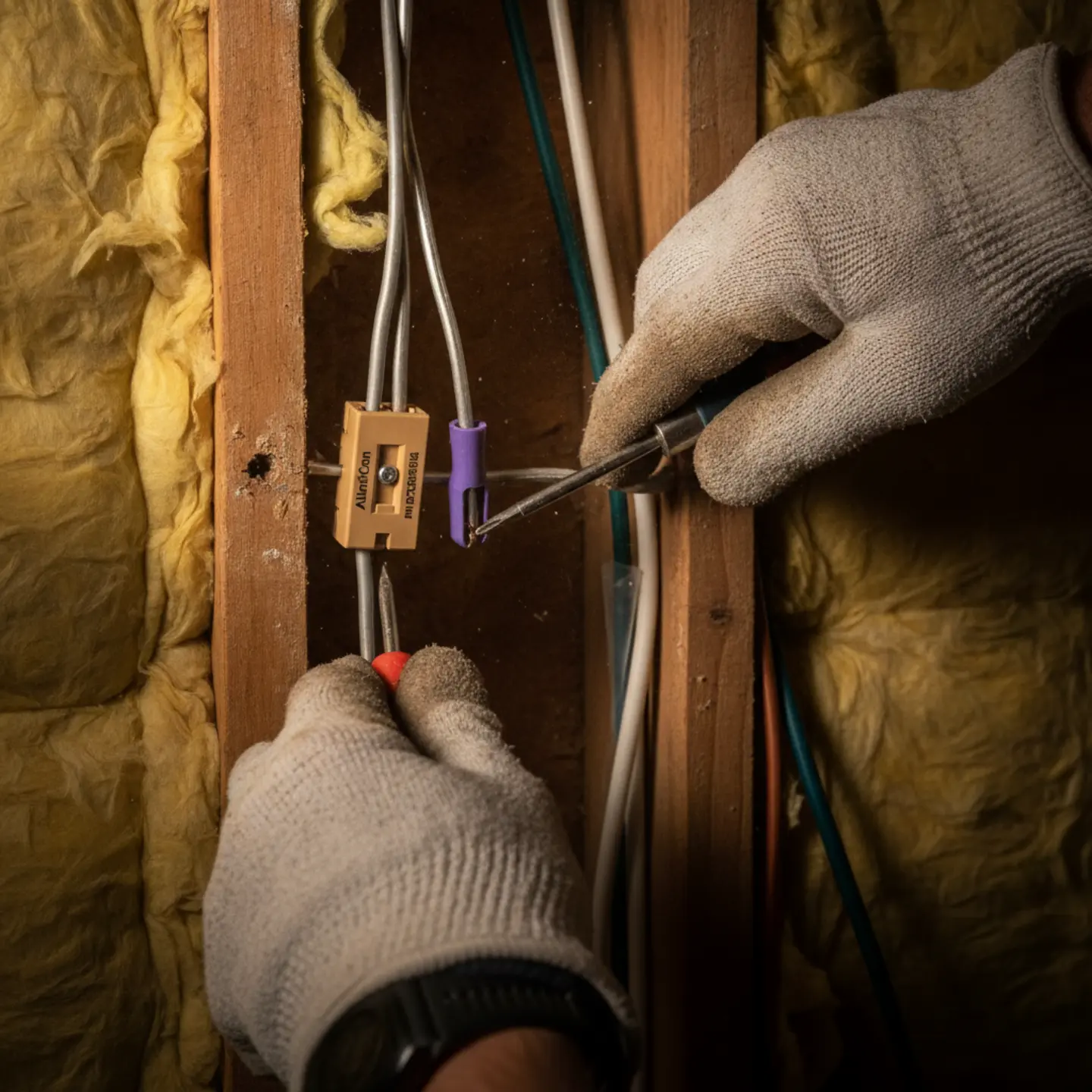
Unlicensed or incomplete previous work is something we encounter regularly. A previous tenant or owner had electrical work done by someone who wasn’t qualified, and the work is now buried in walls or above ceilings where it’s not visible — but it’s still there, and it’s still a liability. When we find evidence of this kind of work, we document it thoroughly and give you a clear picture of what it means for your compliance status.
⚠️ The Hidden Cost of Delaying Compliance
Ignoring code violations doesn’t make them go away — it makes them more expensive. Fines from Texas regulatory agencies can reach $5,000 or more per day for serious violations. Forced shutdowns during peak business hours are a real consequence of non-compliance. And if someone is injured because of a known electrical hazard, the liability exposure is substantial. Addressing issues now — on your schedule — is always cheaper than addressing them under pressure.
What to Expect During a Commercial Electrical Inspection
One of the reasons business owners put off electrical inspections is that they’re not sure what to expect — and uncertainty is uncomfortable. Will the inspector find a mountain of problems? Will I be pressured into expensive work I don’t understand? Will the whole process disrupt my business operations?
We get it. And the honest answer is that a good inspection shouldn’t feel like an ambush. It should feel like getting a clear picture of where things stand so you can make informed decisions. Here’s exactly what happens when we do a commercial electrical inspection.
The Step-by-Step Inspection Process
Before we set foot in the building, we ask for whatever documentation you have — building plans, previous inspection reports, permits for past work, anything that gives us context for what we’re looking at. This isn’t always available, especially in older buildings, but it helps when it is.
The physical inspection covers all accessible electrical components: the main service entrance and meter, the main distribution panel and any sub-panels, branch circuit wiring, outlets and switches, junction boxes and connections, conduit systems, and any specialized equipment like motor control centers or transfer switches. We’re looking at the condition of components, the quality of connections, the adequacy of wire sizing, and whether the installation methods meet current code standards.
Testing with specialized equipment includes grounding and bonding verification, continuity testing, and in many cases thermal imaging — which can detect overheating connections and components that look fine visually but are failing internally. Thermal imaging is one of the most valuable diagnostic tools available for commercial electrical systems because it finds problems before they become failures.
At the end of the inspection, you get a written report with photos, a clear description of any violations or concerns found, and recommendations prioritized by severity. Safety issues are flagged separately from code compliance issues, which are flagged separately from optional upgrades. You’ll know exactly what needs attention and what can wait.
How We Explain Findings to You
We don’t hand you a report full of electrical jargon and leave you to figure it out. Every finding gets explained in plain language: what it is, why it matters, what happens if it’s not addressed, and what it would take to fix it. We’re not trying to impress you with technical vocabulary — we’re trying to make sure you understand your building and can make good decisions about it.
Our findings are always prioritized. Safety issues — things that pose an immediate risk to people or property — come first. Code compliance issues that could result in fines or failed inspections come second. Optional upgrades that would improve reliability, efficiency, or capacity come third. You’ll never be presented with a single undifferentiated list of “things wrong with your building” that makes it impossible to know what’s urgent and what isn’t.
And if there’s a finding that we think can wait, or a less expensive way to address something, we’ll tell you. That’s not a sales technique — it’s just how we operate. If you trust us with your building, we’re going to be straight with you about what it actually needs.
If you’d like to get a free electrical inspection scheduled, we can usually get on-site within a few days and have a written report to you shortly after.
💡 Pro Tip: Get It in Writing
Always request a detailed written inspection report with photos, violation descriptions, and recommended fixes. A verbal summary isn’t enough — you need documentation that shows what was found, when, and what the recommended remediation is. This protects you in insurance claims, gives you a clear roadmap for compliance work, and provides evidence of due diligence if a violation is ever disputed.
Bringing Your System Into Compliance: The Process
Once you have an inspection report in hand, the question becomes: what happens next? Understanding the compliance process takes a lot of the anxiety out of it. It’s not a single overwhelming project — it’s a structured sequence of work, prioritized by risk, that can often be phased to fit your budget and your operational schedule.
Here’s how we typically approach compliance work for DFW commercial clients.
Phase 1: Safety-Critical Work
Safety issues get addressed first, full stop. These are the findings that pose an immediate risk to people or property — things like exposed live conductors, failed grounding systems, panels with evidence of arcing or overheating, or hazardous wiring conditions. This work doesn’t wait for budget cycles or convenient timing. It gets done.
In practice, Phase 1 work typically includes grounding and bonding repairs, panel repairs or replacements where the existing panel poses a safety risk, and removal of any wiring that’s been identified as immediately hazardous. Most Phase 1 work can be completed within one to two weeks, depending on the scope. We coordinate with you on scheduling to minimize disruption to your operations — we’re not going to shut down your business for a week if we can avoid it.
Phase 2: Code Compliance
Phase 2 addresses the code violations that don’t pose an immediate safety risk but do need to be corrected to bring the building into compliance. This is where most of the work happens — emergency lighting installation, conduit and wire upgrades, panel capacity upgrades that aren’t safety-critical but are required by current code, and documentation of all work performed.
Phase 2 work is typically completed over two to four weeks, depending on the scope and the complexity of the building. Every phase of work is inspected — both internally by our team and, where required, by the city or county inspector. You get documentation of everything that was done, which becomes part of your building’s compliance record.
Our commercial electrical services include full permit management — we handle the permit applications, coordinate with inspectors, and make sure every phase of work is properly documented and signed off.
Phase 3: Optimization (Optional)
Phase 3 is optional — it’s the work that isn’t required for compliance but makes your system better. Energy efficiency upgrades, capacity expansion for future growth, smart controls and monitoring systems, and power quality improvements all fall into this category. Some clients want to do this work immediately after getting compliant; others prefer to plan it for a future budget cycle. Either approach is fine.
We’ll always be clear about what’s in Phase 3 versus what’s required. We’re not going to blur the line between “you need this” and “this would be nice to have” — that’s not how we operate.
Ready to bring your system into compliance? We’ll walk you through the process, explain your options clearly, and make sure the work is done right — with no surprises and no pressure to do more than what’s actually needed.
How Much Does Commercial Electrical Code Compliance Cost?
This is the question everyone wants answered, and we’re going to give you an honest answer — which means acknowledging upfront that there’s no single number. Commercial electrical compliance costs vary widely based on building size, age, the number and severity of violations found, and whether the work needs to be done all at once or can be phased.
What we can tell you is this: we always give you a detailed written estimate before any work begins, we explain every line item, and we’ll tell you if there’s a way to reduce costs without compromising safety or compliance. We’re not going to hand you a number and disappear — we’re going to walk you through it.
What Affects the Cost
Building age and current system condition are the biggest variables. A building from 2010 with a well-maintained electrical system that just needs a few minor updates is a very different project from a 1985 building that’s never had a professional inspection and has accumulated 40 years of code drift and questionable modifications.
Number and severity of code violations matters obviously — more violations mean more work. But severity matters too. A single serious violation (like a panel that needs immediate replacement) can cost more to address than a dozen minor ones.
Accessibility of electrical components affects labor cost significantly. Work in an accessible mechanical room is faster and cheaper than work above a finished ceiling in an occupied space. We factor this into every estimate.
Whether work can be phased affects cash flow, not necessarily total cost. Phasing the work doesn’t usually reduce the overall price, but it does let you spread the expense over time — which matters for a lot of business owners managing tight budgets.
As a general range: safety-critical work typically runs $2,000 to $10,000 or more depending on what’s needed. Full code compliance work for a mid-size commercial building commonly ranges from $5,000 to $25,000+. Larger buildings, more complex systems, or more extensive violations can push costs higher. We know that’s a wide range — it’s honest, and it’s why we do a thorough inspection before giving you a number.
Why Certified Work Costs More (And Why It’s Worth It)
TDLR-certified commercial electricians cost more than unlicensed workers. That’s true. Here’s what you get for the difference: insurance and bonding that protects you if something goes wrong, work that’s guaranteed and backed by a licensed professional, permits that are properly pulled and inspected, and documentation that stands up to scrutiny from your insurance company, future buyers, or regulatory agencies.
The cost of non-certified work that gets flagged during inspection — re-work, fines, permit fees, downtime — almost always exceeds the premium you’d have paid for certified work in the first place. We’ve seen it happen more times than we can count. The “cheaper” option ends up being the expensive one.
If you want to talk through the numbers for your specific building, a free estimate is the best way to get a real picture. We’ll assess what’s there and give you a clear breakdown of what it would take to get compliant.
✅ Honest About Budget? We Get It.
If compliance work is expensive, we’ll help you prioritize. Safety issues first, then code violations, then upgrades. We can phase the work to fit your budget without cutting corners on safety. We’d rather do the right work in the right order than push you into a project that strains your finances and creates resentment. Options, not pressure — that’s how we work.
Choosing the Right TDLR-Certified Electrician in DFW
Not all electricians are equal — even among those who are licensed. When you’re choosing someone to do compliance work on your commercial building, you’re making a decision that affects your business, your employees, and your customers. It’s worth taking the time to evaluate your options carefully.
Here’s what to look for — and what to watch out for.
Red Flags to Avoid
Electricians who won’t provide credentials or references. Any legitimate commercial electrician will give you their TDLR license number without hesitation. If someone is evasive about credentials, that’s your answer. Don’t proceed.
Quotes that seem too cheap. Commercial electrical compliance work has real costs — materials, labor, permits, insurance. A quote that’s dramatically lower than others usually means something is being left out: the permit, the insurance, the proper materials, or the code-compliant installation method. You’ll find out what was cut when the inspection fails.
Pressure to start work immediately without a proper assessment. Legitimate compliance work starts with a thorough inspection and a written estimate. Anyone who wants to start work before they’ve properly assessed the situation is either cutting corners or setting you up for scope creep.
Unwillingness to explain what they’re doing or why. You’re paying for this work. You have every right to understand what’s being done to your building and why. An electrician who can’t or won’t explain their findings in plain language is a problem.
Green Flags That Signal a Good Fit
Thorough inspection before giving an estimate. A good commercial electrician won’t quote a compliance job from a phone call. They’ll come out, look at what’s there, and give you a written estimate based on what they actually found.
Clear explanation of findings in plain language. You shouldn’t need an electrical engineering degree to understand your inspection report. If the electrician can explain what they found in terms you understand, that’s a good sign they know what they’re doing and respect your ability to make informed decisions.
Honest about what needs fixing versus what can wait. This one is important. An electrician who tells you everything needs to be done right now is either wrong or selling you something. A good electrician will help you prioritize.
Local DFW references from commercial clients. Ask for references from businesses similar to yours in the DFW area. A commercial electrician who’s been working in this market for years will have them. Call the references. Ask about the experience, not just the outcome.
You can read more about our team and the background we bring to commercial electrical work in DFW. We’re not going to tell you we’re the only good option — but we will tell you what to look for so you can make a confident choice whoever you hire.
DFW is a big market, and there are a lot of electricians competing for commercial work. The ones who’ve been here for decades — who have real relationships with local inspectors and know the specific code amendments that apply in different jurisdictions — bring something that newer or out-of-area contractors simply can’t match. Local knowledge matters in this work.
If you’d like to talk to a TDLR-certified electrician who won’t oversell you, we’re here. Get a free estimate and see why DFW businesses trust us with their electrical compliance work.
Ongoing Maintenance to Stay Code-Compliant
Getting your building into compliance is the first step. Keeping it there is an ongoing process. Code requirements change with each NEC update cycle, equipment ages and degrades, and buildings change — new tenants, new equipment, new uses for existing spaces. All of these things can affect your compliance status over time.
The business owners who avoid expensive emergency situations and surprise inspection failures are the ones who treat electrical maintenance as a regular part of building operations — not something they only think about when something goes wrong.
Our electrical maintenance services are designed to keep commercial buildings compliant and reliable year-round, with a structured approach that catches problems early and gives you a documented record of your building’s electrical health.
What Regular Maintenance Includes
Visual inspection of panels and connections is the foundation of any maintenance program. Connections loosen over time due to thermal cycling (heating and cooling as loads change), and loose connections create resistance, heat, and eventually failure. A regular visual inspection catches these before they become a problem.
Testing of grounding and safety systems should be part of every maintenance visit. Grounding systems can degrade due to corrosion, physical damage, or changes to the building’s electrical system. Testing confirms they’re still functioning as designed.
Thermal imaging is one of the most valuable tools in a commercial maintenance program. An infrared camera can detect overheating components — connections, breakers, transformers — that look fine visually but are running hot internally. Finding these before they fail is the difference between a planned repair and an emergency shutdown.
Load analysis ensures that the system’s capacity still matches the building’s actual demand. As equipment is added or changed, loads shift. A load analysis confirms that circuits aren’t being pushed beyond their rated capacity — which is both a safety issue and a code compliance issue.
Building a Maintenance Schedule
The right maintenance frequency depends on the age and condition of your system. As a general guideline:
- New systems (less than 10 years old, well-maintained): Inspect every 2-3 years
- Aging systems (10+ years old or with known issues): Annual inspections recommended
- After major upgrades or compliance work: Follow-up inspection at 6 months to confirm everything is performing correctly
- After any significant change to building use or equipment: Inspection to confirm the existing system can handle the new load
Documentation is a critical part of any maintenance program. Every inspection should produce a written report that goes into your building’s compliance file. This documentation protects you in insurance claims, provides evidence of due diligence if a violation is ever disputed, and gives future buyers or tenants confidence in the building’s electrical system.
Preventive maintenance is always cheaper than emergency repairs. A maintenance visit that catches a failing breaker or a loose connection costs a fraction of what an emergency call costs — and it doesn’t come with the business disruption that an unexpected failure brings.
Why DFW Businesses Trust Epic Electrical for Code Compliance
There are a lot of electricians in the DFW market. We know that. So we’re not going to tell you that you have to hire us — we’re going to tell you what we bring to the table and let you decide if it’s the right fit.
Epic Electrical is a third-generation family business. The father-son team that runs this company grew up in the electrical trade, and we’ve been working with commercial clients in the DFW area for over 20 years. We’re TDLR-certified, fully insured and bonded, and we carry the kind of local knowledge that only comes from decades of working in this specific market — knowing the local inspectors, understanding the specific code amendments that apply in different DFW jurisdictions, and having real relationships with the commercial clients we’ve served over the years.
You can read our story if you want the full background. The short version is: we treat your building like it’s our own, we tell you the truth about what it needs, and we do the work right.
Our Approach to Code Compliance
Every compliance engagement starts with a thorough assessment. We don’t quote work we haven’t seen, and we don’t start work without a clear plan. The assessment gives us — and you — a complete picture of what’s there, what needs to change, and what the options are.
Communication is a core part of how we work. We explain findings in plain language, we prioritize by risk level, and we give you options rather than a single “here’s what you have to do” prescription. If there’s a phased approach that fits your budget better, we’ll lay that out. If there’s a less expensive fix for something, we’ll tell you.
Every job we do is guaranteed. We stand behind our work, and we do a follow-up inspection after completion to confirm everything is performing as it should. You get documentation of everything — permits, inspection reports, completion records — that goes into your building’s file.
What Sets Us Apart
The thing we hear most often from new clients who’ve worked with other electricians is that they didn’t feel like they understood what was happening or why. They got a report they couldn’t read, a quote they couldn’t evaluate, and a finished job they couldn’t verify. That’s not how we operate.
We’ll tell you if there’s a cheaper fix. We’ll tell you if something can wait. We’ll tell you if previous work we find is actually fine or actually a problem. We don’t upsell work that isn’t needed, and we don’t use fear or urgency to push decisions. Our business has grown for 20+ years on referrals from DFW commercial clients who trusted us — and that only happens if you earn it every time.
We serve commercial clients throughout the DFW area — Fort Worth, Dallas, Arlington, Keller, Southlake, Colleyville, Grapevine, Lewisville, and the surrounding communities. If you’re in the metroplex and need a TDLR-certified commercial electrician for code compliance work, inspections, or upgrades, we’re a local call away.
“We’ll tell you if there’s a cheaper fix. We don’t use fear or urgency to push decisions. Our business has grown for 20+ years on referrals from DFW commercial clients who trusted us — and that only happens if you earn it every time.”
Frequently Asked Questions About Commercial Electrical Code Compliance
What does TDLR certification mean for a commercial electrician?
TDLR certification means the electrician has passed state-administered exams covering electrical theory, the National Electrical Code, and Texas-specific amendments. It also means they meet continuing education requirements to stay current with code changes and carry liability insurance and bonding. This is a verified, state-issued credential — you can confirm any electrician’s license status on the TDLR website before hiring them. For you as a business owner, it means the work is legally compliant, insured, and backed by a licensed professional who can be held accountable.
How often should my commercial building have an electrical inspection?
For newer systems in good condition, an inspection every 2-3 years is a reasonable baseline. Older systems — particularly those more than 15-20 years old — benefit from annual inspections because the risk of age-related degradation is higher. After major upgrades or compliance work, a follow-up inspection at 6 months confirms everything is performing correctly and gives you documentation for your compliance records. Any time there’s a significant change to building use, equipment, or occupancy, an inspection is warranted to confirm the existing system can handle the new demands.
What are the most common commercial electrical code violations in Texas?
The violations we find most frequently in DFW commercial buildings are outdated panels that can’t handle modern electrical loads, improper grounding or bonding systems, overcrowded conduit with too many conductors, missing or non-functional emergency lighting, and evidence of previous unlicensed electrical work. Each of these poses either a direct safety risk or a compliance risk — and in many cases, both. The good news is that all of them are fixable, and most can be addressed in a structured, phased approach that doesn’t require shutting down your business for an extended period.
How much does it cost to bring a commercial building into electrical code compliance?
Costs vary widely based on building age, size, and the number and severity of violations found. Safety-critical work typically ranges from $2,000 to $10,000 or more. Full code compliance work for a mid-size commercial building commonly runs $5,000 to $25,000+, with larger or more complex buildings potentially exceeding that range. We always provide a detailed written estimate before any work begins, and we can structure the work in phases to fit your budget without compromising safety or compliance. The best way to get an accurate number for your specific building is a free on-site assessment.
What happens if my commercial building fails an electrical inspection?
You’ll receive a written report detailing the violations found and a timeline to correct them. The timeline varies depending on the severity of the violations — safety-critical issues may have a very short correction window, while less urgent code violations may allow more time. Ignoring violations can result in escalating fines, forced shutdowns, and significant liability exposure if someone is injured. The right response is to engage a TDLR-certified electrician immediately, understand what needs to be fixed and in what order, and get the work done with proper permits and documentation so you can demonstrate compliance.
Can I use a residential electrician for commercial electrical work?
No — commercial electrical work in Texas requires TDLR certification specific to commercial work, and the knowledge required is substantially different from residential. Commercial systems involve three-phase power, higher amperage, stricter conduit and wiring standards, and more complex load calculations than residential work. A residential electrician working on a commercial building may not understand the applicable code requirements, and the work they perform may not pass a commercial inspection. Beyond the compliance risk, using an uncertified electrician for commercial work exposes you to legal liability and may void your building’s insurance coverage for work done in that area.
Ready to Ensure Your Commercial System Meets Code?
Don’t wait for a failed inspection or a fine to find out where things stand. We’ll come out, assess your system thoroughly, and give you a straight answer about what needs fixing, what can wait, and what it’s going to cost — with no pressure and no surprises. That’s the kind of honest assessment every business owner deserves.
Serving Fort Worth, Dallas, Arlington, Keller, Southlake, Colleyville, Grapevine, Lewisville, and all of DFW.
(682) 478-6088