
- 200-amp panels cover most homes — A 200-amp service is the current standard for new residential construction and handles typical modern loads including one EV charger, a heat pump HVAC system, and standard smart home devices.
- 400-amp service is for high-demand situations — Homes over 3,000 sq ft, multiple EV chargers, solar with battery storage, or commercial-grade workshop equipment are the primary drivers for upgrading to 400-amp service.
- DFW costs range from $3,000 to $18,000+ — A 200-amp panel upgrade typically runs $3,000–$9,500 in the DFW market; a 400-amp installation ranges from $6,000–$18,000+ depending on complexity and service entrance work required.
- Permits and licensed contractors are non-negotiable — All panel work in Texas requires a TECL-licensed contractor and a city permit; unpermitted work can void your homeowner’s insurance and complicate a future home sale.
- Trust Epic Electrical for honest panel upgrades, no-pressure diagnostics, and 50+ years of combined master electrician experience — visit Epic Electrical to learn how DFW’s most trusted father-and-son team can help your family.
200 Amp vs. 400 Amp Panels: Which Is Right for Your DFW Home?
A 200-amp electrical panel is sufficient for most modern homes with standard appliances, but a 400-amp service is increasingly necessary for larger homes, multiple electric vehicles, solar systems, or high-demand equipment. The right choice depends on your home’s size, current electrical load, and future plans. A qualified load calculation—not guesswork—should guide your decision.
Understanding the differences between these two service sizes, their costs, and what modern homes actually demand will help you avoid both undersizing (and safety risks) and overpaying for capacity you don’t need.
Epic Electrical
Free Quote & Honest Diagnosis — No Upsells
Core Service Programs:
- Electrical Repairs, Wiring & Lighting for tripping breakers, faulty wiring, GFCI issues, and indoor/outdoor lighting
- EV Chargers, Generators & Panel Upgrades for Level 2 EV charging, whole-home generator installs, panel replacements, and surge protection
- Commercial, Warehouse & Industrial Electrical for restaurants, offices, industrial buildouts, LED retrofits, and dedicated circuits
Why Choose Epic Electrical:
- ✓ Trusted by customers with 123+ five-star Google reviews
- ✓ Father-and-son master electricians — a third-generation electrical family
- ✓ Serving North Richland Hills and the DFW Metroplex since 2009
- ✓ 50+ years of combined electrical experience on every job
- ✓ No upsells, no jargon, no pressure — we fix what’s actually broken
- ✓ Small repairs fixed same-visit; big jobs get a written quote with no hidden costs
- ✓ Texas-licensed electrical contractor (TECL #33192)
Why Modern Homes Need More Electrical Capacity Than Ever Before
The average American home is 40 years old. That means a significant share of DFW’s housing stock was built when a 60-amp or 100-amp panel was considered perfectly adequate. Today, those panels are being asked to power heat pumps, Level 2 EV chargers, smart home systems, home offices, and high-draw kitchen appliances — all at the same time. Something has to give, and usually it’s a tripped breaker at the worst possible moment.
North Texas is feeling this pressure acutely. As of August 2025, over 145,000 EVs were on DFW roads — a 34% year-over-year increase. Each Level 2 home charger draws 30–50 amps on its own. Add a heat pump HVAC system (15–25 amps), an induction cooktop, and a home office setup, and you’re stacking significant load on infrastructure that was never designed for it.
Insurance companies are also paying closer attention. Homes with Federal Pacific Electric or Zinsco panels — brands with documented fire risks — are increasingly facing coverage surcharges or outright non-renewals. And for homeowners who want to add solar or battery storage, Oncor’s interconnection requirements often mandate a panel upgrade before approval is granted.
The NFPA reported that in 2022, an estimated 46,700 home fires involved electrical distribution or lighting equipment, resulting in 430 civilian deaths and $1.5 billion in property damage. Overloaded and outdated panels are a primary contributor. This isn’t a theoretical risk — it’s a documented one. If your home still runs on an older, undersized service, understanding your options is the first step toward protecting your family.
200-Amp vs. 400-Amp Panels: Capacity, Features, and Real-World Applications
The core difference between a 200-amp and 400-amp panel isn’t just a number on a label — it’s the total electrical capacity available to your home at any given moment. A 200-amp service delivers 200 amperes of continuous capacity across all circuits. A 400-amp service doubles that, fed by heavier gauge service conductors and a larger meter base coordinated with your utility provider.
Both service sizes require the same permitting, inspection, and code compliance under the 2023 National Electrical Code (NEC). The distinction is in what each can realistically support without overloading — and how much runway each gives you for future electrical additions.
⚠️ Beware of Unnecessary 400-Amp Upsells
Some contractors may pressure you to upgrade to 400 amps without performing a detailed load calculation. A proper assessment of your current and future electrical needs — not sales pressure — should guide the decision.
What a 200-Amp Panel Can Realistically Handle
A properly installed 200-amp panel is the current standard for new residential construction and handles the vast majority of modern homes without issue. It can simultaneously support one Level 2 EV charger (30–50 amps), a modern heat pump HVAC system (15–25 amps), a standard kitchen appliance suite, smart home devices, and a home office — assuming circuits are properly distributed across the panel.
For homes up to approximately 2,500 square feet with typical electrical usage patterns, a 200-amp service provides adequate capacity. If you own one EV, have a single-zone heat pump, and aren’t planning a major home expansion, a 200-amp panel is almost certainly the right call. Our panel upgrade calculator can help you estimate whether your current or planned load fits within 200-amp service.
What a 400-Amp Panel Can Realistically Handle
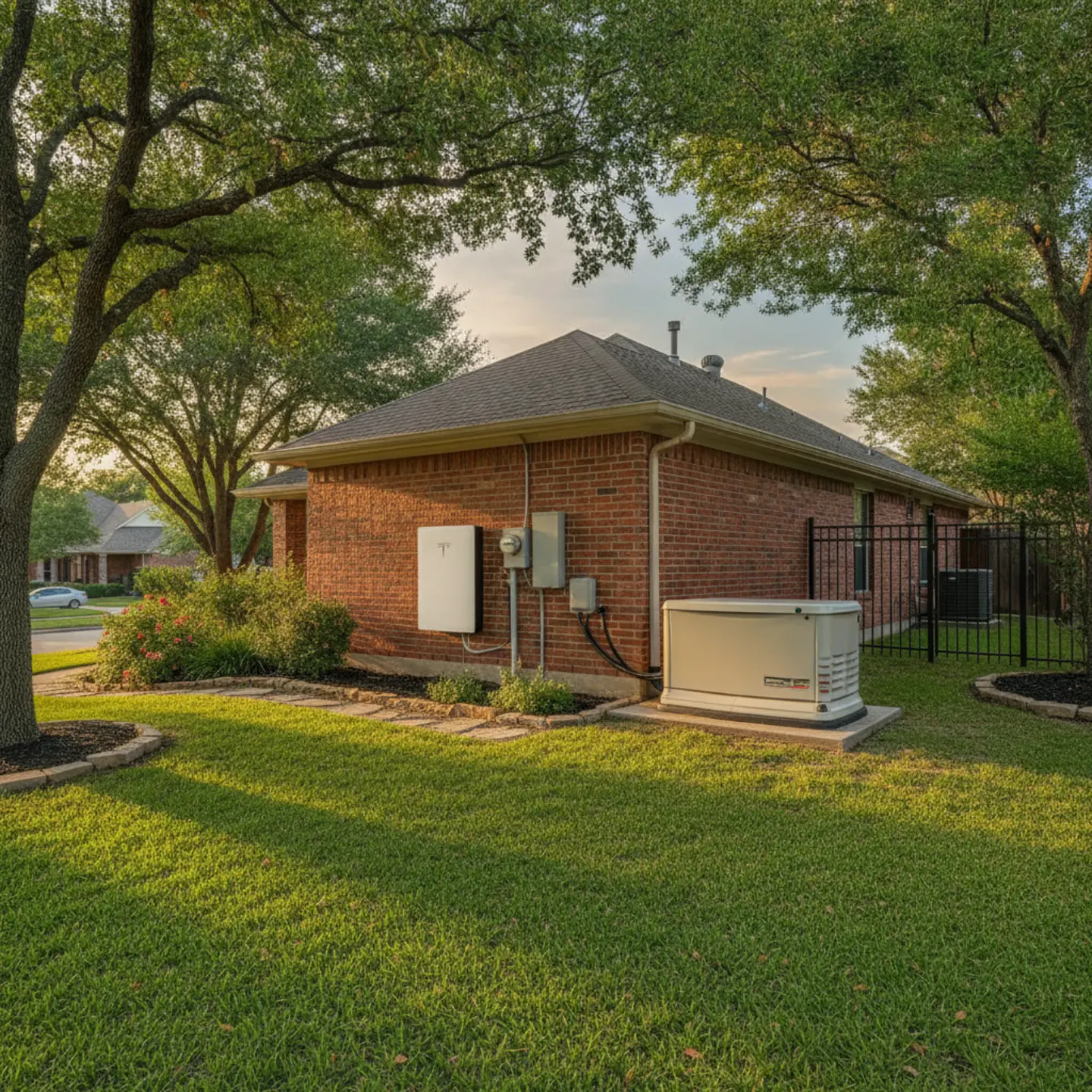
A 400-amp service is designed for homes where electrical demand is genuinely high — or will be. Two or more Level 2 EV chargers running simultaneously, a full home electrification stack (heat pump HVAC, electric water heater, induction cooktop), a solar array with battery storage like a Tesla Powerwall or Generac PWRcell, and dedicated circuits for workshop equipment, a sauna, or a pool pump all become manageable without capacity concerns.
For homes over 3,000 square feet, or any home where multiple high-draw systems need to operate at the same time, 400-amp service provides true future-proofing for 20–30+ years of evolving electrical demands. It’s the right choice when your load calculation confirms you need it — not before.
| Feature | 200-Amp Panel | 400-Amp Panel |
|---|---|---|
| Service Capacity | 200 amperes continuous | 400 amperes continuous |
| Typical Home Size | Up to ~2,500 sq ft | 3,000+ sq ft |
| EV Chargers Supported | 1 Level 2 charger | 2+ Level 2 chargers simultaneously |
| Solar + Battery Storage | Possible with careful load management | Fully supported without strain |
| Heat Pump HVAC + Electric Water Heater | Yes, with proper load distribution | Yes, without capacity concerns |
| Workshop / High-Draw Equipment | Limited; may require load shedding | Dedicated circuits readily available |
| DFW Installation Cost (2026) | $3,000–$9,500 | $6,000–$18,000+ |
| Future-Proofing Timeline | 10–20 years for most households | 20–30+ years |
Cost Breakdown: 200-Amp vs. 400-Amp Panel Installation in DFW
Panel upgrade costs in DFW vary based on the complexity of your specific project — not just the panel size. A straightforward swap of an existing 200-amp panel for a new one in the same location costs significantly less than a project that involves relocating the panel, upgrading the meter base, or running new service conductors from the street.
💡 Federal Tax Credits Can Offset Panel Upgrade Costs
The Inflation Reduction Act (2025) offers up to a 30% tax credit (max $600) for panel upgrades done alongside other energy-efficient improvements like heat pumps or solar. Ask your electrician how your project might qualify.
| Project Type | 200-Amp Upgrade | 400-Amp Installation |
|---|---|---|
| Entry-Level (basic replacement) | $3,000–$4,500 | $6,000–$9,000 |
| Mid-Range (minor wiring/code updates) | $4,500–$7,000 | $9,000–$13,000 |
| Premium (complex, significant wiring work) | $7,000–$9,500 | $13,000–$18,000+ |
| Meter Base Upgrade (if needed) | Add $500–$1,500 | |
| Underground Service Trenching | Add $1,000–$5,000+ | |
| North Richland Hills Permit Fee | $17–$50 | |
A few costs catch homeowners off guard. Drywall repair and painting after panel relocation, landscaping restoration after underground service trenching, and AFCI breaker requirements (a typical 30-circuit panel can have $1,500 in AFCI breakers alone under 2023 NEC) all add to the final number. Get a written, itemized quote before work begins — any contractor unwilling to provide one is a red flag.
On the financing side, options include HELOCs, contractor payment plans, and PACE loans. If your panel upgrade is done alongside a heat pump or solar installation, the Inflation Reduction Act’s 30% tax credit (up to $600 for the panel itself, up to $2,000 annually for qualifying clean energy equipment) can meaningfully offset costs. Our residential project financing guide walks through these options in detail.
Regulatory Requirements and Code Compliance for Panel Upgrades
In Texas, electrical panel work must be performed by a contractor holding a Texas Electrical Contractor License (TECL), issued by the Texas Department of Licensing and Regulation (TDLR). The work must be supervised or performed by a licensed Master Electrician or Journeyman Electrician under that TECL. You can verify any contractor’s license status and check for disciplinary actions at tdlr.texas.gov — it takes about 30 seconds and is worth every one of them.
✓ Permits Protect Your Home and Your Insurance
Skipping permits might seem cheaper upfront, but unpermitted electrical work can void your homeowner’s insurance and complicate home sales. Always insist on permits — they ensure safety and code compliance.
North Richland Hills enforces the 2023 NEC, which introduced several requirements that directly affect panel upgrades. Whole-home surge protection is now mandatory for new and upgraded services — a meaningful safety addition given DFW’s storm exposure. Emergency disconnects are required for dwelling units. Expanded AFCI and GFCI protection now covers more areas of the home than previous code editions. These aren’t bureaucratic formalities; they’re safety upgrades that protect your family. Our whole-home surge protection page explains why this addition matters for North Texas homes specifically.
A permit is always required for panel replacements and service upgrades in North Richland Hills. Unpermitted work can void your homeowner’s insurance if a claim arises, create serious complications when you sell your home, and expose you to personal liability. Reputable licensed contractors pull permits as a matter of course — if a contractor suggests skipping the permit to save money, walk away.
Licensed contractors are also required to carry general liability insurance (typically $1–$2 million) and worker’s compensation coverage. This protects you from financial liability if something goes wrong on the job. If a contractor can’t produce proof of insurance, that’s a non-starter. Texas homeowners have recourse through the TDLR complaint process and the Texas Deceptive Trade Practices Act (DTPA) if a contractor performs substandard work or misrepresents their services.
Top Electrical Panel Upgrade Providers in DFW: Compared and Reviewed
The DFW electrical services market includes independent master electricians, regional contractors, and national franchises. Each model has trade-offs in pricing, availability, and the level of personalized service you’ll receive. Before hiring anyone, verify their TECL license at tdlr.texas.gov, ask whether they’ll pull permits, and request a written load calculation — not just a price.
| Provider Type | Strengths | Considerations |
|---|---|---|
| Epic Electrical (North Richland Hills) | Father-and-son master electricians; 50+ years combined experience; TECL #33192; 123+ five-star Google reviews; honest diagnostics, no upsells; free estimates | Focused on residential and light commercial; scheduling fills quickly during peak summer season |
| Regional Contractor (e.g., Tradesman Electric) | Multiple crews; faster availability; standardized processes; handles high volume of panel upgrades and new construction | May have longer lead times during peak seasons; less personalized service on individual projects |
| Independent Master Electrician | Owner-operated; flexible scheduling; lower overhead can mean competitive rates; deep local neighborhood knowledge | Limited availability; reputation built primarily on word-of-mouth; verify TECL license carefully |
Epic Electrical
Epic Electrical is a father-and-son master electrician team with 50+ years of combined experience, serving DFW since 2009. Located at 7304 Hialeah Cir W, North Richland Hills, TX 76182, they hold Texas Electrical Contractor License TECL #33192 and have earned 123+ five-star Google reviews through straightforward, no-pressure service. They specialize in residential panel installations, EV charger installations, and solar interconnection work. Their approach is simple: if a cheaper fix exists or a smaller panel will serve your needs, they’ll tell you.
Regional Contractor Example
Established regional contractors serving the DFW metro operate with multiple crews and can often accommodate faster scheduling windows. They handle a high volume of panel upgrades and new construction work, with standardized processes that keep projects moving efficiently. Pricing is competitive for mid-range projects, though peak summer demand can stretch lead times. Always verify TECL licensing and ask specifically who will be on-site supervising the work.
Independent Master Electrician Example
Owner-operated independent electricians often bring deep familiarity with specific DFW neighborhoods and can be more flexible on scheduling and pricing due to lower overhead. The trade-off is availability — a one-person operation books up quickly, especially during summer. Their reputation typically rests on direct referrals and local community trust, so checking Nextdoor and Google reviews alongside TDLR license verification is essential before hiring.
Regardless of which provider type you choose, get 2–3 written quotes, confirm permits will be pulled, and ask to see the load calculation before any work begins. Red flags include vague pricing, pressure to skip permits, or recommendations to upgrade service size without a detailed load assessment. For EV charging specifically, our comparison of ChargePoint vs. Tesla home chargers in DFW can help you think through the full installation picture.
Why Epic Electrical Is the Right Choice for DFW Homeowners
When you’re making a decision that affects your home’s safety and your family’s daily life for the next 20–30 years, you want someone who will give you a straight answer — not a sales pitch. Epic Electrical has built its reputation in DFW on exactly that. With 123+ five-star Google reviews and 50+ years of combined master electrician experience between Mike and Griffin, they’ve earned the trust of North Richland Hills and surrounding communities through honest diagnostics and no-pressure service since 2009.
As a Texas-licensed electrical contractor (TECL #33192), Epic Electrical ensures every panel upgrade meets the 2023 NEC and North Richland Hills code requirements. That means your home’s safety is protected, your insurance coverage stays intact, and the work holds up to inspection — because it was done right the first time. They handle the permit process, coordinate with Oncor when utility work is involved, and don’t leave you guessing about what’s included in the quote.
The father-and-son philosophy runs through every job. If your current 200-amp panel can handle your actual load with a few circuit adjustments, they’ll tell you that instead of selling you a $12,000 upgrade you don’t need. If your plans for multiple EVs and a solar system genuinely require 400-amp service, they’ll show you the load calculation that proves it. That’s what honest electrical work looks like.
Get a free estimate from Epic Electrical today — no obligation, no upsells, just a straight answer about what your home actually needs.
Frequently Asked Questions About Electrical Panel Upgrades
Is a 400-amp panel overkill for most homes?
For many standard homes with typical appliances and no immediate plans for multiple EVs or solar, a properly installed 200-amp panel remains sufficient. However, for larger homes (3,000+ sq ft), those planning multiple EV chargers, extensive smart home systems, or commercial-grade workshop equipment, a 400-amp panel offers critical capacity and real future-proofing. A load calculation by a licensed electrician should always guide this decision — not a contractor’s assumption about what you might need someday.
Can a 200-amp panel support an EV charger and an electric HVAC system simultaneously?
A 200-amp panel can often support a Level 2 EV charger and a modern electric HVAC system like a heat pump, but it depends entirely on your home’s total electrical load. A qualified electrician must perform a load calculation to confirm the panel can handle the combined demand without overloading — especially during peak summer usage when both systems run simultaneously. If you’re weighing EV charging options, our guide on whether you need a Level 2 EV charger at home in Fort Worth covers the capacity considerations in detail.
What happens if my home’s electrical service is undersized?
An undersized electrical service leads to frequent tripped breakers, flickering lights, and potential appliance damage from undervoltage. More critically, it poses a fire hazard — overloaded circuits are a leading cause of residential electrical fires, with the NFPA reporting 46,700 home structure fires involving electrical equipment in 2022 alone. Modern safety codes also require AFCI and GFCI protection that is difficult to implement safely with an outdated panel, and insurance companies may increase premiums or deny coverage due to the elevated risk.
Will Oncor approve a 400-amp service entrance upgrade without major infrastructure work?
In most residential cases, yes — Oncor will approve a 400-amp service entrance upgrade at the property line if your home’s internal wiring and new panel are code-compliant. However, if the existing utility transformer or service lines in your neighborhood are undersized for the increased demand, Oncor may need to upgrade their own equipment first, which can affect project lead times. A qualified electrician will coordinate directly with Oncor throughout the process so you’re not navigating that on your own.
What makes Epic Electrical different from other electrical contractors in DFW?
Epic Electrical stands out with 123+ five-star Google reviews, 50+ years of combined master electrician experience, and a father-and-son commitment to honest diagnostics — if a cheaper fix exists or a smaller panel will serve your needs, they’ll tell you. As a Texas-licensed contractor (TECL #33192) serving DFW since 2009, Epic Electrical prioritizes your family’s safety and budget over upsells, and every job comes with a written quote and no hidden costs. Get a free estimate from Epic Electrical today and find out exactly what your home needs.
Ready to Upgrade Your Electrical Panel in DFW?
Whether you’re trying to figure out if your 200-amp panel can handle a new EV charger or you’re planning a full home electrification overhaul that needs 400-amp service, the answer starts with an honest load calculation — not a sales pitch. Epic Electrical’s father-and-son master electrician team has helped DFW homeowners make the right electrical decisions since 2009, and they’ll give you a straight answer about what your home actually needs.
Free estimates, transparent pricing, no hidden costs, and work that passes inspection the first time — because that’s how it should be done.
Serving Fort Worth, Arlington, Keller, Southlake, Colleyville, Grapevine, Lewisville, North Richland Hills, and all of DFW.
Pricing, equipment specifications, and project scope mentioned in this article are accurate as of the date of publication and are subject to change. Code requirements and permit needs vary by municipality and property. Please contact us directly for a current quote on your specific home or business.